

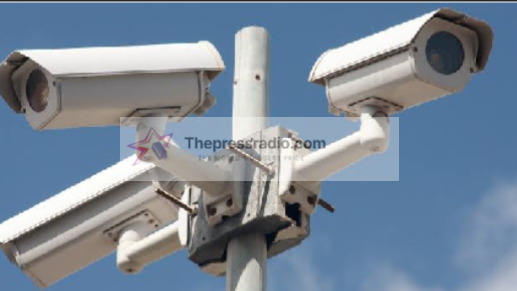
Ghana’s new automated traffic enforcement system, TRAFFITECH-GH, went live on November 1, 2026, marking a significant step towards using technology to improve road safety and strengthen compliance with traffic regulations.
Although the introduction of automated enforcement is widely regarded as overdue, the effectiveness of the system will depend on more than cameras and speed-detection devices. Its success will require improvements in road infrastructure, clear traffic regulations, accurate vehicle records and a fair process for handling penalties.
Five key areas have been identified as essential to ensuring that TRAFFITECH-GH achieves its intended purpose.
The first is improving road infrastructure before enforcing traffic rules at camera locations. Motorists should not receive fines for lane violations where road markings are missing or unclear. Similarly, drivers should not be penalised for running red lights at intersections where traffic signals are not functioning.
Every location selected for automated enforcement should therefore undergo an infrastructure audit before the system becomes operational there. Clear road markings, visible signs and properly functioning traffic lights would help ensure that motorists understand the rules they are expected to follow.
The second requirement is the provision of clear speed-limit signs and properly managed transition zones. Speed limits should follow a consistent national hierarchy, with gradual reductions as drivers approach towns and other areas where lower speeds are required.
Motorists should be given adequate warning when speed limits change rather than being expected to identify new restrictions at the last moment. Publishing a national speed-limit map online would also allow drivers to plan their journeys and understand the applicable limits along their routes.
The third factor is the need for a reliable vehicle registration system. Since traffic notices are expected to be sent to registered vehicle owners, the records maintained by the Driver and Vehicle Licensing Authority (DVLA), Ghana Card authorities and insurance companies must be accurate and consistent.
Discrepancies between these databases could result in notices being sent to the wrong individuals, creating unnecessary disputes and weakening confidence in the enforcement process. Improving coordination among the relevant institutions would help ensure that penalties are directed to the appropriate vehicle owners.
The fourth area concerns fairness and transparency in the process for challenging traffic fines. Motorists should be able to access photographic or video evidence of alleged violations online and have sufficient time to contest notices they believe are incorrect.
Disputes should be reviewed promptly by an independent panel, with clear procedures for submitting complaints and receiving decisions. Authorities should also publish statistics showing how many penalties have been challenged and how many have subsequently been overturned. Such information would help the public assess the accuracy and fairness of the system.
The fifth requirement is to ensure that fines are used to improve road safety rather than simply generate government revenue. Money collected through the system could be ring-fenced in a dedicated Road Safety Fund to support road improvements, traffic education and other initiatives aimed at reducing accidents.
Financial penalties could also be combined with a demerit-points system on driving licences. Under such an arrangement, repeated traffic violations would attract points that could lead to further consequences, ensuring that the deterrent effect of enforcement does not depend solely on a driver’s ability to pay fines.
The introduction of TRAFFITECH-GH provides Ghana with an opportunity to strengthen traffic management through technology. However, its long-term success will depend on whether the system is accurate, transparent and supported by the infrastructure needed to enforce the rules fairly.
Ultimately, the objective should not simply be to issue more traffic fines. It should be to encourage responsible driving, improve public confidence in law enforcement and make Ghana’s roads safer for everyone.
Source: Thepressradio.com