

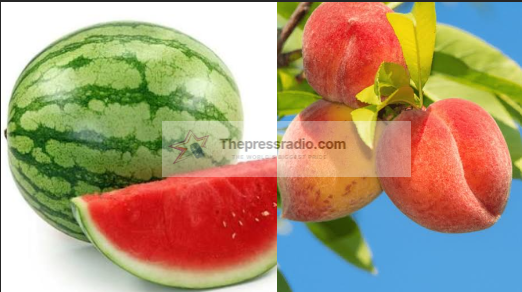
Peaches and watermelon are naturally sweet fruits that can both be included in a balanced diet, but they differ in how they may affect blood sugar levels.
For people who monitor their blood glucose, understanding the difference between the glycemic index (GI) and glycemic load (GL) can provide useful context when choosing foods.
The glycemic index measures how quickly a carbohydrate-containing food can raise blood glucose compared with a reference food. Glycemic load takes both the food’s GI and the amount of carbohydrate in a particular serving into account.
Peaches generally have a lower glycemic index than watermelon. This means peaches may produce a slower rise in blood sugar. However, GI values can vary depending on factors such as fruit variety, ripeness and testing conditions, so a single GI number should not be treated as an absolute measure.
Peaches also contain dietary fibre. Fibre can help moderate the body’s response to carbohydrates, although the effect depends on the quantity consumed and what other foods are eaten as part of the meal.
Watermelon, on the other hand, is mostly water and contains relatively little carbohydrate for its volume. This is important because its glycemic index can appear relatively high while its glycemic load for a normal serving remains relatively low.
A typical cup of watermelon contains about 11.5 grams of carbohydrates, according to health information cited in the report. Its high water content also contributes to its relatively low carbohydrate concentration per serving.
The comparison demonstrates why glycemic index alone does not tell the entire story.
For example, eating a small serving of a higher-GI fruit may have a different effect on blood glucose than consuming a much larger portion. Portion size is therefore an important consideration when eating carbohydrate-containing foods.
Another factor is how the fruit is consumed. Whole fruits contain fibre and generally take longer to eat than juices or other processed forms. Consuming large quantities of fruit juice can also make it easier to take in more sugar and carbohydrates in a shorter period.
For people living with diabetes, watermelon does not necessarily have to be avoided. Health guidance indicates that it can be included in a balanced eating pattern when attention is paid to portion sizes and overall carbohydrate intake.
Peaches can similarly be part of a varied diet. Their lower GI compared with watermelon may make them an option for people who are particularly conscious of how quickly foods can raise blood glucose.
However, individual responses to foods differ. Factors such as physical activity, portion size, other foods eaten at the same time and a person’s individual metabolism can all influence blood-sugar levels.
Rather than completely eliminating either fruit, people concerned about blood glucose can consider moderation and the overall nutritional balance of their meals.
Anyone managing diabetes or another condition that affects blood sugar should follow advice from a qualified healthcare professional or dietitian. Personal dietary needs can vary, and a healthcare professional can provide guidance based on an individual’s circumstances.
Ultimately, both peaches and watermelon can provide nutritional benefits, and neither fruit needs to be automatically excluded simply because it can affect blood sugar. The key considerations are portion size, overall carbohydrate intake and the individual’s dietary needs.
Source: Thepressradio.com