
Maintaining a healthy gut is an important part of overall wellbeing, as the digestive system helps the body break down food, absorb nutrients and support immune function. Nutrition experts often recommend a varied diet rich in fibre and, where appropriate, fermented foods to help support a balanced gut microbiome.
The gut microbiome consists of trillions of microorganisms living in the digestive tract. These organisms play roles in digestion and other bodily functions. Eating a variety of plant-based foods can help provide the fibre and nutrients that support a healthy digestive system.
Here are 10 foods that can help support gut health.
1. Yoghurt
Yoghurt containing live cultures can provide beneficial microorganisms. Some varieties contain probiotics, which are live microorganisms that may offer health benefits when consumed in sufficient amounts. Choosing plain yoghurt with little or no added sugar can be a useful option as part of a balanced diet.
2. Kefir
Kefir is a fermented milk drink that may contain a range of microorganisms. It can be another source of live cultures for people who tolerate dairy products. Individuals who are lactose intolerant may need to choose suitable alternatives or assess their tolerance.
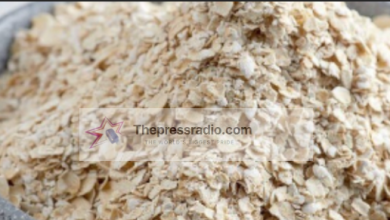
3. Oats
Oats are a source of soluble fibre, including beta-glucan. Fibre helps support normal bowel function, while some types can also be used by gut bacteria. Adding oats to breakfast is one practical way to increase daily fibre intake.
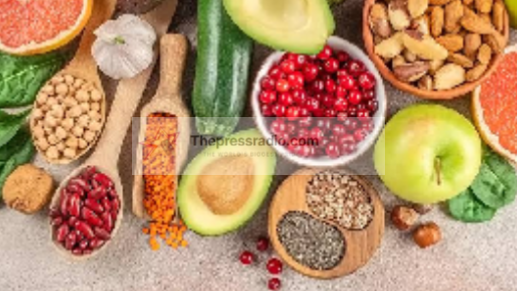
4. Beans and lentils
Beans and lentils provide dietary fibre and plant-based protein. Certain fibres and resistant starches can be fermented by gut bacteria, producing compounds that contribute to the health of the intestinal environment. Increasing portions gradually may help reduce gas and bloating.
5. Bananas
Bananas provide carbohydrates, vitamins and fibre. Less-ripe bananas contain more resistant starch than fully ripe ones, although the amount varies with ripeness. Resistant starch can reach the large intestine, where gut microorganisms can ferment it.
6. Apples
Apples contain fibre, including pectin, which can contribute to normal bowel function. Eating the fruit with its skin, after washing it thoroughly, can help maximise fibre intake.
7. Leafy green vegetables
Vegetables such as spinach, kale and other leafy greens provide fibre, vitamins and minerals. Including a range of vegetables in daily meals helps support digestive health and contributes to an overall nutritious diet.
8. Nuts and seeds
Almonds, walnuts, chia seeds and flaxseeds provide fibre and other nutrients. They can be added to porridge, yoghurt or salads to increase dietary variety. People who have allergies to particular nuts or seeds should avoid those foods.
9. Fermented vegetables
Foods such as kimchi and sauerkraut are produced through fermentation and may contain live microorganisms, depending on how they are prepared and processed. They can add variety to meals, although their nutritional content and salt levels differ between products.
10. Chickpeas
Chickpeas contain fibre and plant-based protein. Their fibre can help support bowel regularity and provide material for fermentation by gut bacteria. They can be eaten in salads, soups, stews or dishes such as hummus.
A healthy gut depends on more than any single food. Eating a wide variety of fibre-rich foods, drinking enough water, staying physically active and maintaining regular eating habits can all contribute to digestive wellbeing.
People who currently eat little fibre may benefit from increasing their intake gradually to reduce bloating and discomfort. Anyone experiencing persistent abdominal pain, unexplained weight loss, blood in the stool or ongoing changes in bowel habits should seek medical advice rather than relying on dietary changes alone.
These ten foods can form part of a balanced eating pattern, but their effects vary from person to person. A varied diet that suits an individual’s needs and tolerances is generally more useful than relying on one particular food or supplement to improve gut health.
Source: Thepressradio.com