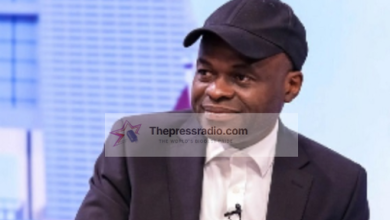


Parliament’s Appointments Committee has commenced the vetting of Supreme Court nominee Justice Anthony Forson Jnr., as the process continues amid disagreement between the Majority and Minority sides over the timing of the judicial nominations.
Justice Forson appeared before the committee on Thursday, August 27, 2026, as part of the constitutional process for considering President John Dramani Mahama’s nominees to the Supreme Court.
His vetting comes after the Minority Caucus raised objections to the timing of the exercise and decided not to participate in the vetting of the judicial nominees. The disagreement has created tension around the proceedings of the Appointments Committee.
Justice Forson is one of three nominees put forward by President Mahama for appointment to Ghana’s apex court. The other nominees are Court of Appeal Justices Sophia Rosetta Bernasko Essah and Edward Amoako Asante.
The three nominations were made following consultation with the Judicial Council and are subject to parliamentary scrutiny and approval before the nominees can formally join the Supreme Court.
Justice Forson is the only nominee among the three who comes directly from private legal practice. He is a former President of the Ghana Bar Association and has spent several years practising law.
His professional background has made his appearance before the Appointments Committee particularly significant, as lawmakers are expected to examine his experience, understanding of the law and suitability for service on the country’s highest court.
The vetting process provides members of the committee with an opportunity to question nominees on matters relating to the judiciary, constitutional interpretation, administration of justice and other issues relevant to their prospective responsibilities.
Justice Forson’s nomination also comes with considerable experience in Ghana’s legal profession. His previous leadership of the Ghana Bar Association has placed him in a prominent position within the country’s legal community.
The Minority’s decision to boycott the judicial vetting, however, has become a major feature of the current exercise. The caucus has argued that there was no pressing need to rush the consideration of the Supreme Court nominees and has questioned the timing of the process.
The Minority has maintained that the Supreme Court is functioning and that Parliament could defer the vetting until a later date. Its position has resulted in the absence of Minority members during the judicial nominees’ proceedings.
Despite the disagreement, the Appointments Committee proceeded with the scheduled vetting.
The parliamentary process is an important stage in the appointment of Supreme Court justices. After the committee completes its work, it is expected to prepare a report containing its findings and recommendations for consideration by the full House.
The final decision on the nominees will therefore rest with Parliament after the committee has completed its assessment.
Justice Forson’s vetting is expected to attract considerable attention because of his background in private legal practice and his previous leadership role within the Ghana Bar Association.
The ongoing disagreement also highlights the political dimension that can accompany major judicial appointments, particularly when the two sides of Parliament differ over the timing or procedure for considering nominees.
As the vetting process continues, attention will be focused on the committee’s eventual report and whether the Minority will participate in subsequent stages of the approval process.
For Justice Forson and the other nominees, parliamentary approval would pave the way for their appointment to the Supreme Court, subject to the completion of all constitutional requirements.
Watch the Livestreaming below:
Source: Thepressradio.com