
High blood pressure, also known as hypertension, is a major risk factor for heart disease, stroke and other cardiovascular complications. Although medication may be necessary for many people, adopting healthier eating habits can also help manage the condition and support overall heart health.
Certain food groups provide nutrients such as potassium, calcium, magnesium and fibre, which can contribute to healthy blood pressure when included in a balanced diet. Four groups worth considering are fruits and vegetables, whole grains, legumes and nuts, and low-fat dairy products.
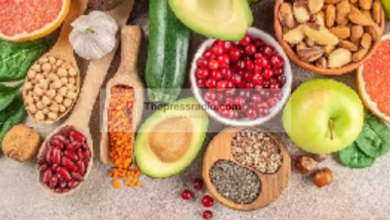
Fruits and vegetables are important components of a heart-healthy diet. Foods such as bananas, oranges, tomatoes, spinach and other leafy greens provide vitamins, minerals and dietary fibre. Many also contain potassium, a mineral that helps the body balance the effects of sodium and supports normal blood pressure regulation.
Eating a variety of fruits and vegetables throughout the day can help improve overall diet quality. Fresh and frozen options can both be useful, while people who choose canned vegetables should look for products with little or no added salt. However, individuals with kidney disease or those taking certain medications may need to monitor their potassium intake under medical guidance.
Whole grains are another food group that can support cardiovascular health. Oats, brown rice, whole-wheat bread and other minimally processed grain products provide fibre and other nutrients that form part of a balanced diet.
Replacing some refined grains with whole-grain alternatives can improve dietary quality and help people maintain a healthy weight. Weight management is important because excess body weight can contribute to high blood pressure. Whole grains are not a stand-alone treatment, but they can be part of a broader eating pattern designed to support heart health.
Beans, peas, lentils, nuts and seeds also offer nutritional benefits for people seeking to manage their blood pressure. Legumes provide plant-based protein, fibre and minerals, while unsalted nuts and seeds contain nutrients and fats that can fit into a heart-healthy diet.
Examples include beans, lentils, chickpeas, almonds and pumpkin seeds. These foods can be incorporated into meals, salads and snacks. Choosing unsalted varieties is particularly helpful because consuming too much sodium can contribute to raised blood pressure.
Low-fat dairy products, including milk and plain yoghurt, provide calcium, protein and other nutrients. They are included in the Dietary Approaches to Stop Hypertension (DASH) eating plan, a dietary approach developed to help lower blood pressure.
People who consume dairy can consider lower-fat options with limited added sugar as part of a balanced diet. Those who cannot tolerate dairy may discuss suitable alternatives with a healthcare professional, paying attention to products fortified with calcium and other essential nutrients.
Alongside these food groups, limiting salt is one of the most important dietary steps for managing hypertension. Excessive sodium intake can increase blood pressure, particularly in people who are sensitive to salt. Processed meats, salty snacks, stock cubes, instant foods and some packaged sauces can contain substantial amounts of sodium.
Preparing more meals at home, checking food labels and using herbs, spices, garlic or lemon to add flavour can help reduce reliance on salt. Regular physical activity, maintaining a healthy weight, limiting alcohol consumption and avoiding tobacco are also important elements of cardiovascular health.
The DASH eating plan combines fruits, vegetables, whole grains, legumes, nuts and low-fat dairy products while limiting sodium, saturated fat and highly processed foods. It has been shown to help lower blood pressure, although individual results vary.
High blood pressure often develops without noticeable symptoms, making regular checks important. Anyone diagnosed with hypertension should follow advice from a qualified healthcare professional and take prescribed medication as directed. Dietary changes can complement medical treatment but should not be used as a replacement for prescribed medicines without professional guidance.
People with kidney disease or other conditions that affect mineral balance should seek medical advice before making major dietary changes, particularly if they plan to increase their intake of potassium-rich foods.
Source: Thepressradio.com