Traffic Tech Is Not the First Solution: Ghana Urged to Fix Road Safety Infrastructure Before Installing Cameras

The government’s plans to strengthen road safety through the introduction of Traffic Tech have sparked discussions about the country’s preparedness to adopt advanced traffic enforcement technology, with a transport and logistics professional calling for greater attention to basic road infrastructure before the system is fully implemented.
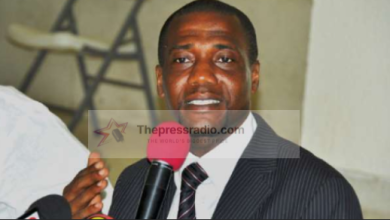
In a commentary titled “Ghana Road Safety and Transport System: Let’s Get Our Priorities Right!”, the professional, identified as the Ranking Member Transport and Logistics Professional, acknowledged the potential benefits of technology in reducing road accidents but argued that Ghana must address fundamental road safety challenges before relying heavily on automated traffic enforcement.
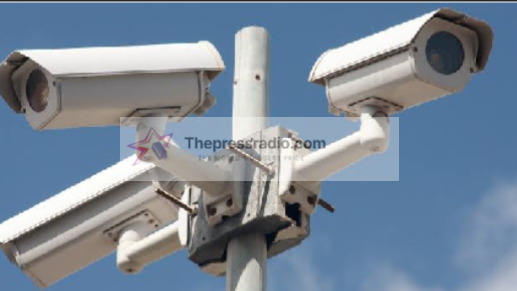
Traffic Tech is designed to use cameras and other technological systems to identify motorists who violate road traffic regulations, including speeding and other offences. The system is expected to strengthen monitoring and improve compliance with traffic laws.
However, the professional questioned how authorities intend to enforce speed limits effectively when several roads across the country lack clearly visible speed limit signs and other essential traffic information.
He argued that motorists must be adequately informed about the applicable speed limits on particular roads before they can reasonably be held accountable for exceeding them.
According to him, a closer examination of Ghana’s road network reveals several infrastructure challenges, including faded road markings, missing directional signs, inadequate warning signs and poorly maintained lane markings. These conditions, he noted, make driving difficult and potentially dangerous, particularly at night.
He also raised concerns about the absence of adequate street lighting in several communities and along major roads, arguing that these shortcomings should receive considerable attention as part of the country’s road safety improvement efforts.
The transport professional maintained that introducing sophisticated traffic monitoring systems without first addressing these infrastructure gaps could undermine the effectiveness of the initiative.
He therefore outlined several areas he believes the government should prioritise to create a safer and more reliable road transport system.
Among his recommendations is the need to ensure that roads across the country have clearly visible lane markings, pedestrian crossings, centre lines and edge markings. He believes properly maintained road markings would help motorists understand road layouts and improve safety for pedestrians and other road users.
He also called for the installation and maintenance of adequate road signs, including speed limit indicators, warning signs, directional boards and other traffic information signs.
Street lighting was another major concern highlighted in his commentary. He urged the government to improve lighting along major roads, highways, intersections and accident-prone locations to reduce the dangers associated with driving in poorly illuminated areas.
Beyond physical road infrastructure, the professional stressed the importance of establishing a reliable residential addressing system that can be linked to vehicle registration records.
He explained that accurate and verifiable ownership information would make it easier for authorities to identify vehicle owners and communicate traffic violations effectively.
He further called for improvements in vehicle registration and enforcement systems to ensure that vehicle ownership details, number plates and registered contact information remain accurate and verifiable.
The commentary also questioned the practical challenges associated with the use of SMS notifications to inform vehicle owners about traffic offences detected through automated cameras.
He raised concerns about situations where vehicles are registered using telephone numbers belonging to other individuals, as well as cases where vehicle owners change their contact details without updating their registration information.
He also questioned how authorities would handle changes in vehicle ownership and instances where motorists illegally manipulate number plates to avoid identification and enforcement.
According to him, these administrative challenges must be properly addressed to prevent loopholes that could weaken the credibility and effectiveness of Traffic Tech.
Drawing comparisons with countries such as Belgium, where he has gained professional exposure, the transport professional argued that successful road safety systems depend on the integration of several components.
These include properly maintained road infrastructure, visible traffic signs, clear road markings, reliable vehicle registration systems and modern enforcement technology.
He urged Ghana to study such international practices and adapt relevant solutions to local conditions rather than focusing primarily on technological enforcement.
Importantly, he clarified that his concerns should not be interpreted as opposition to Traffic Tech or the use of modern technology in road management.
Instead, he maintained that technology should complement existing road safety infrastructure rather than serve as a substitute for the government’s responsibility to provide safe and properly equipped roads.
He also called for increased driver education to ensure that motorists understand traffic regulations and their responsibilities when using public roads.
The debate over Traffic Tech therefore raises broader questions about how Ghana can balance technological advancement with the development of essential transport infrastructure.
While automated traffic enforcement could improve compliance and help authorities identify road traffic violations, the professional believes its effectiveness will depend partly on whether the necessary infrastructure and administrative systems are in place.
He concluded that Ghana deserves a modern transport system built on proper planning, accountability and clearly established priorities, insisting that road signs, markings, street lighting and reliable vehicle registration must receive adequate attention.
His central message is that Traffic Tech should form part of a broader road safety strategy rather than be treated as the first solution to the country’s road safety challenges.
Source: Thepressradio.com