‘I was summoned by US government over Mahama’s reparations statement’ – Victor Smith

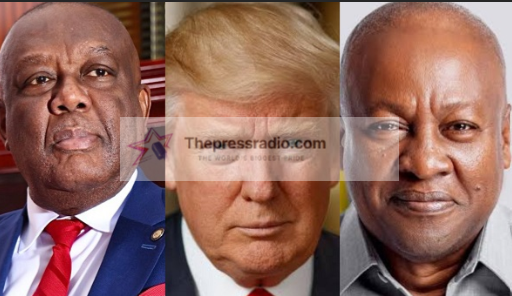
Ghana’s Ambassador to the United States, Victor Emmanuel Smith, has revealed that he was summoned by American government officials following President John Dramani Mahama’s comments advocating reparations for the transatlantic slave trade and colonialism.
Smith disclosed that the meeting took place at the United States Department of State, where he was questioned by a panel led by the US Deputy Secretary of State over aspects of the Ghanaian President’s position on reparatory justice.
Speaking in an interview on Channel One TV on November 2, 2026, the ambassador explained that the development followed Mahama’s remarks at the United Nations concerning the historical injustices suffered by Africans and people of African descent.
According to Smith, American officials expressed displeasure with some of the President’s comments, particularly because they were made while he was on American soil.
He indicated that the meeting was not an ordinary diplomatic engagement, as officials wanted explanations about the position taken by Ghana’s President on the reparations issue.
Smith said he used the opportunity to defend Mahama’s position, explaining the historical circumstances surrounding the transatlantic slave trade and why Ghana considers reparatory justice an important international issue.
He also reportedly raised concerns about the treatment of Black history in the United States, including issues surrounding the removal or reduction of Black historical content in educational curricula.
The ambassador suggested that he stood by the President’s position during the engagement, maintaining that discussions about the historical consequences of slavery should not be dismissed simply because they may be uncomfortable for some governments.
He further disclosed that he immediately briefed President Mahama and Ghana’s Foreign Affairs Minister, Samuel Okudzeto Ablakwa, about the meeting and the concerns raised by the American officials.
According to Smith, the development subsequently resulted in Ghana’s Foreign Affairs Minister summoning the United States Ambassador to Ghana to discuss the matter.
The diplomatic tension reportedly emerged after the United Nations General Assembly adopted a resolution on March 25, 2026, declaring the transatlantic slave trade the gravest crime against humanity.
The resolution formed part of broader international efforts to address the historical consequences of slavery, promote recognition of the suffering endured by enslaved Africans and advance discussions about reparatory justice.
President Mahama has been among the African leaders advocating for greater international recognition of the lasting effects of slavery and colonialism. His position reflects Ghana’s broader campaign to ensure that the historical experiences of Africans and people of African descent receive greater attention in international discussions.
Ghana has also continued to engage other African countries and international partners on the need for a coordinated approach to reparations, including acknowledgement of historical injustices and consideration of appropriate measures to address their consequences.
Smith’s disclosure has brought renewed attention to the diplomatic implications of Ghana’s position, particularly its relationship with the United States, a country with longstanding historical and diplomatic ties with Ghana.
While the ambassador’s account suggests that American officials had concerns about the President’s remarks, the development also highlights the sensitivity surrounding international discussions on slavery, historical responsibility and reparatory justice.
The issue is expected to remain part of broader diplomatic conversations as Ghana continues to push for international recognition of the consequences of the transatlantic slave trade.
Source: Thepressradio.com