
Dedaku Stream: The Akuapem Waters Okomfo Anokye Reportedly Declared Would Never Drown Anyone

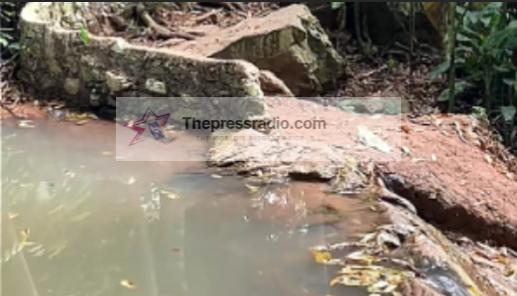
A fascinating traditional account surrounding Dedaku Stream in the Akuapem area of Ghana’s Eastern Region has attracted attention, following reports of a declaration attributed to the legendary traditional priest, Okomfo Anokye, that the waters would never drown anyone.
The story forms part of Ghana’s rich cultural and oral traditions, in which rivers, streams and other natural features are sometimes associated with spiritual beliefs, historical events and remarkable encounters involving traditional leaders and spiritual figures.
Okomfo Anokye remains one of the most celebrated figures in Ghanaian history, particularly among the Asante people. He is widely remembered for his association with the establishment of the Asante Kingdom, his close relationship with King Osei Tutu I and the legendary role he played in the appearance of the Golden Stool, which remains a powerful symbol of Asante unity and identity.
Beyond his political and historical contributions, several traditional accounts attribute extraordinary spiritual powers and supernatural experiences to him. These stories have been preserved through oral history and continue to form part of discussions about Ghana’s traditional heritage.
One such account is connected to Dedaku Stream, whose waters are reportedly associated with a declaration by Okomfo Anokye that nobody would lose their life through drowning there.
Although the exact circumstances surrounding the reported declaration are not fully established in available historical records, the story has continued to attract interest because of its unusual claim and its connection to one of Ghana’s most prominent traditional figures.
Other accounts about Okomfo Anokye also describe encounters involving rivers and spiritual powers. A traditional story recounts an incident involving another priest, Okomfo Frimpong, and his sandals, which became part of a legend about a river and a spiritual declaration attributed to Okomfo Anokye.
Such accounts illustrate how natural landmarks have become connected to traditional beliefs and historical storytelling in different parts of Ghana.
In many Ghanaian communities, rivers and streams are more than sources of water. They may carry historical significance, serve as sacred places or feature prominently in the cultural identity of surrounding communities.
For generations, stories associated with these locations have been passed down by elders, traditional authorities and storytellers. They help preserve the memories, beliefs and values of communities while providing younger generations with a connection to their ancestral heritage.
The story surrounding Dedaku Stream is therefore an interesting example of how traditional narratives continue to shape public interest in Ghana’s cultural history.
However, the reported declaration that nobody can drown in the stream should be understood as a traditional belief rather than a scientifically established fact. Natural water bodies remain dangerous, and swimming or entering unfamiliar waters can result in drowning regardless of historical or spiritual accounts associated with them.
The story nevertheless highlights the enduring influence of Okomfo Anokye in Ghana’s historical imagination and the importance of preserving traditional narratives associated with the country’s landmarks.
As interest in Ghana’s cultural heritage continues to grow, stories such as the one surrounding Dedaku Stream offer opportunities to explore the relationship between history, spirituality, oral tradition and the identity of local communities.
Source: Thepressradio.com