
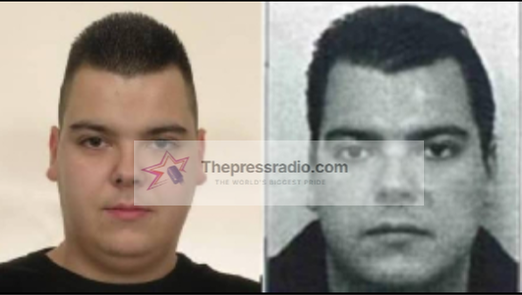
Dutch national Joseph Johannes Leijdekkers, popularly known as “Bolle Jos”, has come under renewed international attention following developments linking his alleged criminal network to Ghana.
Leijdekkers is described by Dutch and European authorities as a wanted fugitive who has been convicted in absentia in connection with major organised drug-trafficking offences. His name has featured prominently in investigations into international criminal networks operating between Europe and West Africa.
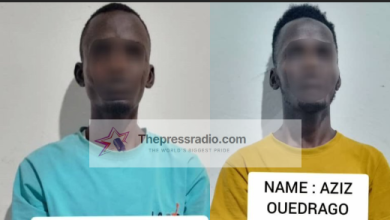
Recent developments have brought his alleged links to Ghana back into focus after the Narcotics Control Commission (NACOC) announced the arrest of three suspects accused of representing or facilitating activities connected to Leijdekkers in Ghana.
The arrests followed the seizure by French customs authorities of a large cocaine shipment that had reportedly originated from Ghana. NACOC said the three suspects were in its custody and assisting investigators as authorities examined their alleged roles in the wider case.
The Commission stressed that the arrests formed part of efforts to ensure that Ghana does not become a safe haven, transit point or operational base for international drug-trafficking organisations.
Leijdekkers has been the subject of a major international manhunt for several years. He has been placed on wanted lists in Europe and has faced serious criminal convictions in the Netherlands.
A Dutch court sentenced him in absentia to 24 years in prison over major cocaine-trafficking offences. He has also been linked by investigators to organised criminal activity involving several European countries.
Authorities believe Leijdekkers may currently be based in Sierra Leone, although his exact whereabouts remain a matter of international law-enforcement interest.
His alleged connections to West Africa have attracted particular attention because of the region’s role in investigations involving international organised crime. Ghanaian authorities have increasingly worked with foreign law-enforcement agencies to investigate cases involving suspected transnational criminal networks.
The latest arrests in Ghana have therefore placed renewed focus on the country’s efforts to prevent international criminal organisations from using its territory or infrastructure for illicit activities.
NACOC has said it will continue working with both domestic and international law-enforcement agencies to disrupt individuals and networks suspected of supporting the illegal drug trade.
The Commission also stressed that the suspects arrested in Ghana remain under investigation and that their legal rights and protections will be respected as the case progresses.
For Leijdekkers, the latest development represents another point of attention in the international efforts to locate and bring him before the appropriate authorities.
The case also highlights the increasingly international nature of organised crime investigations, with authorities in different countries cooperating to trace suspected networks and establish the roles of individuals allegedly connected to them.
As investigations continue, Ghanaian and international authorities are expected to examine the alleged connections between the suspects arrested in Ghana and Leijdekkers, as well as any other individuals who may have been involved.
The latest case has once again placed “Bolle Jos” at the centre of international law-enforcement attention, while Ghanaian authorities maintain that the country will not be allowed to serve as a base for international criminal organisations.
Source: Thepressradio.com