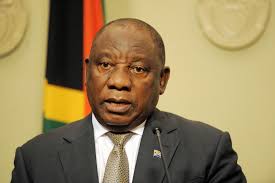

Tanzania’s president has come under intense public scrutiny after strongly defending the actions of the country’s police forces despite widespread reports that hundreds of civilians were killed during protests linked to last October’s elections. His remarks have triggered renewed debate about human rights, state accountability, and the future of democratic freedoms in the country.
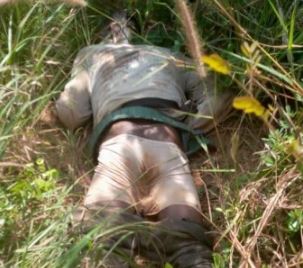
The protests, which erupted shortly after the election results, spread through multiple regions as citizens demanded transparency and raised concerns about the electoral process. Demonstrators — many of them unarmed civilians — took to the streets to express frustration. In response, security forces were deployed in large numbers, leading to violent clashes. Human rights organizations, opposition figures, and eyewitness accounts claim that hundreds of people lost their lives during the confrontations. Videos and testimonies emerged showing civilians running for safety as gunfire broke out, intensifying concerns about excessive use of force.
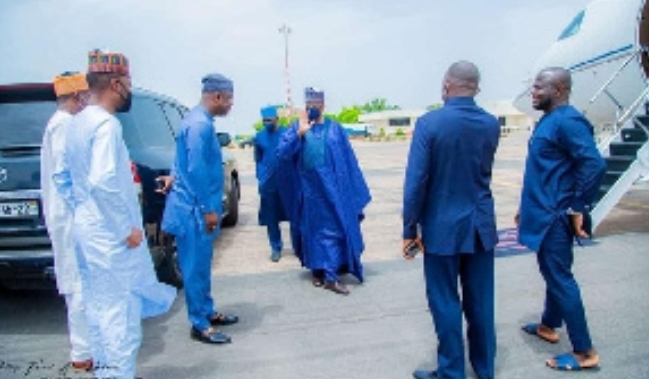
Despite the gravity of the accusations, the president defended the police, arguing that the officers acted lawfully and carried out their duties under difficult circumstances. According to him, the priority of the police was to maintain peace and prevent the country from slipping into chaos. He insisted that the security forces took necessary steps to protect national stability, suggesting that the protesters posed a threat that required firm intervention.
This stance has been rejected by opposition leaders and rights advocates who argue that the government’s refusal to acknowledge wrongdoing undermines accountability. They insist that the scale of the casualties demands a thorough, independent investigation. For many critics, the president’s remarks signal an unwillingness to confront the truth or provide justice for the families mourning loved ones.
Human rights organizations have intensified their calls for transparency, arguing that ignoring such severe allegations sets a dangerous precedent. They warn that failing to investigate could embolden security agencies to act with impunity in future demonstrations. According to these groups, the right to protest is a fundamental democratic freedom that must be respected, and any violations must be addressed swiftly and decisively.
International observers have also expressed concern. Global rights bodies and neighboring African countries are monitoring the situation closely, urging Tanzania to prioritize justice and uphold democratic values. Statements from several organizations highlight fears that the lack of accountability could deepen political tensions and erode public trust in state institutions.
Within Tanzania, the controversy has left many citizens unsettled. Families affected by the violence are still seeking answers, hoping that someone will be held responsible for the deaths of their relatives. Others worry that the government’s defense of the police may signal a tightening of civic space, making it more difficult to voice dissent or participate in public demonstrations without fear.
As calls for an inquiry grow louder, Tanzania faces a crucial crossroads. The events surrounding the election protests have exposed deep cracks in the nation’s governance and human rights systems. Whether the government chooses transparency and accountability — or continues to defend the actions of its security forces without scrutiny — will shape public confidence in its leadership for years to come.
For now, the president’s defense of the police remains a deeply divisive issue, raising difficult questions about state power, the protection of citizens’ rights, and the future of democratic expression in Tanzania.
Source: Thepressradio.com