Iron is an essential mineral that plays a vital role in maintaining good health, particularly in the production of haemoglobin, the protein in red blood cells responsible for transporting oxygen throughout the body. Including iron-rich foods in daily meals can help support normal body functions and reduce the risk of iron deficiency.
A balanced diet containing both animal-based and plant-based foods can provide iron, although the amount absorbed by the body varies depending on the food source. Some foods also contain nutrients that help improve iron absorption, making food combinations an important part of healthy eating.
Chicken liver is one food that provides a notable amount of iron. As an organ meat, it also contains protein and other essential nutrients. Iron from animal products is generally absorbed more efficiently by the body than non-haem iron found in plant foods. However, chicken liver should be eaten in moderation as part of a varied diet.
Oysters are another source of dietary iron. In addition to iron, they provide protein and other minerals that support normal body functions. They can be included in a balanced diet, provided they are prepared and cooked safely.
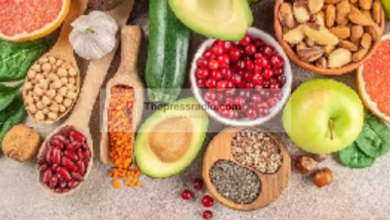
Lentils are a useful option for people looking for plant-based sources of iron. They also contain protein and fibre, making them suitable for a variety of meals. Lentils can be added to soups, stews, curries and salads, offering a convenient way to increase the nutritional value of everyday dishes.
Tofu, which is made from soybeans, is another food that contributes plant-based iron to the diet. It also provides protein and can be used in several dishes, including stir-fries and soups. Its versatility makes it a practical option for people who prefer vegetarian or plant-based meals.
Spinach is widely recognised for its nutritional value and contains iron alongside vitamins and other minerals. However, the iron in spinach is non-haem iron, which the body does not absorb as readily as iron from animal foods. Eating spinach with vitamin C-rich foods, such as tomatoes, oranges or sweet peppers, can help improve the absorption of plant-based iron.
Dark chocolate, particularly varieties with a high cocoa content, also contains iron. Although it can contribute to dietary iron intake, it should be consumed in moderation because some products contain considerable amounts of sugar, fat and calories. It is best treated as an occasional part of a balanced diet rather than a primary source of iron.
Stewed tomatoes provide another way to add nutrients to meals. Tomatoes contain some iron and are also a source of vitamin C, which helps the body absorb non-haem iron from plant-based foods. They can be incorporated into sauces, soups and stews alongside other iron-rich ingredients.
Eating a combination of these foods can help people obtain iron from different dietary sources. Pairing plant-based iron sources with foods rich in vitamin C is particularly useful for improving absorption.
However, dietary choices alone may not be sufficient for people who already have iron deficiency or iron-deficiency anaemia. Anyone experiencing persistent fatigue, weakness or other concerning symptoms should consult a healthcare professional for appropriate assessment and advice before taking iron supplements.
Source: Thepressradio.com