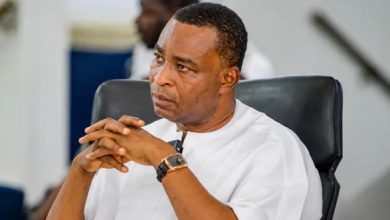


The New Patriotic Party (NPP) has elected its regional chairmen as part of the party’s latest internal elections held across Ghana’s 16 regions on August 15, 2026.
The elections are part of the party’s broader effort to reorganise its regional structures and select executives who will oversee party activities in their respective regions.
Among the notable outcomes was the election of Odeneho Kwaku Appiah, popularly known as COKA, as the new NPP Ashanti Regional Chairman. COKA secured 658 votes in the Ashanti contest and subsequently called for unity within the party.
The newly elected regional chairmen will be responsible for coordinating the party’s activities at the regional level, working with constituency executives and supporting the mobilisation of members.
The regional leadership structures are particularly important as the NPP continues its internal reorganisation and prepares for its next phase of political activity.
The elections also provide the party with an opportunity to assess its grassroots structures and strengthen coordination between its regional and constituency leadership.
Below is the list of regional chairmen reported from the election:
- Ashanti Region – Odeneho Kwaku Appiah
- Bono Region – Kwame Baffoe
- Upper East Region – Elvis Figo
- Upper West Region – Alhaji Abdul Rahman Aziz
- Western Region – Ignatius Kwasi Africa
- Northern Region – Pending
- Savannah Region – Alhaji Iddrisu Sulemana
- Greater Accra Region – Pending
- Bono East Region – Pending
- Ahafo Region – Robert Sarfo Mensah
- Oti Region – Dr Yirenkyi
- Volta Region – Makafui Wanya
- North East Region – Fuseini Nurudeen
The results mark an important stage in the NPP’s internal electoral process, with the newly selected chairmen expected to work with other regional executives to strengthen the party’s organisation.
The Ashanti result has received particular attention following COKA’s victory, while the election of executives in the other regions will also shape the party’s regional leadership going forward.
The new chairmen will now face the task of bringing party members together, improving grassroots coordination and ensuring that their respective regional structures remain active.
With the regional elections completed, attention is expected to shift to other stages of the NPP’s internal electoral calendar and the party’s preparations for its future political activities.
The effectiveness of the new regional executives will ultimately depend on how well they work with constituency structures and respond to the expectations of party members across the country.
Source: Thepressradio.com