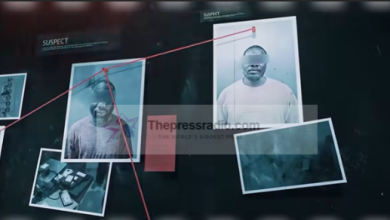
International drug investigations put spotlight on Ghana as authorities step up cooperation

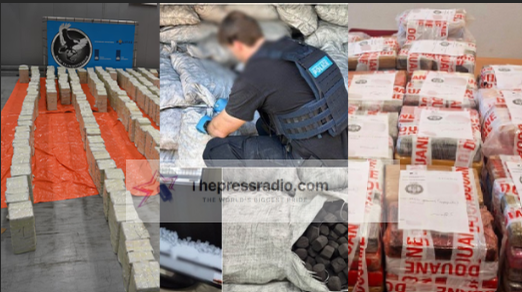
A series of major international drug investigations involving individuals or consignments linked to Ghana has placed renewed attention on the country’s efforts to combat transnational organised crime.
The cases, reported across different countries, highlight the increasingly international nature of illicit drug trafficking and the cooperation required between law-enforcement agencies to investigate suspected criminal networks.
Among the incidents highlighted in recent reports are investigations involving authorities in Australia and France. The cases have attracted attention because of alleged links to Ghana and the role of international agencies in tracing suspects and investigating the movement of illicit consignments.
In Australia, authorities launched investigations after officials detected suspicious activity involving imported shipments. The subsequent investigation led to arrests and further inquiries into people allegedly connected to the operation.
The Australian case demonstrates the importance of cooperation between customs officials, police and other agencies in identifying suspicious shipments before they reach their intended destinations.
France has also featured in international investigations involving suspected drug trafficking networks with connections to Ghana. French authorities have carried out enforcement operations as part of wider efforts to disrupt organised criminal groups operating across national borders.
For Ghana, such cases have renewed discussions about the country’s role in international efforts against drug trafficking. Ghana serves as an important regional transportation and aviation hub, making cooperation with foreign law-enforcement agencies particularly important in addressing transnational crime.
The investigations also underline the fact that suspected trafficking networks can operate across several countries, with individuals in different jurisdictions potentially playing different roles. This makes information sharing and coordinated investigations essential for law-enforcement agencies.
Ghanaian authorities have over the years worked with international partners on investigations involving organised crime, financial offences and drug trafficking. Such cooperation can include intelligence sharing, investigations and efforts to identify suspects connected to criminal activities.
The latest cases have therefore raised broader questions about how countries can strengthen border controls while improving cooperation with international partners.
Beyond the arrests and seizures recorded in individual countries, the cases serve as a reminder of the wider consequences of organised drug trafficking. Authorities continue to warn that criminal networks often attempt to exploit legitimate international trade and transportation systems.
Law-enforcement agencies in Ghana and other countries are consequently under pressure to improve intelligence-led policing and strengthen cooperation to prevent the country from being used as a transit point for illicit activities.
As investigations into the reported cases continue, authorities in the countries involved are expected to pursue further inquiries into the networks behind the operations. Any individuals facing charges will remain subject to the legal processes of the respective jurisdictions.
The developments ultimately highlight the need for sustained international cooperation in tackling organised crime and protecting communities from the wider impact of illegal drug trafficking.
Source: Thepressradio.com