

Oil Prices Fall as Stocks Rebound on Signs of Peace Talks
Global oil markets experienced significant fluctuations this week as investors reacted to geopolitical developments in the Middle East. Crude oil prices fell sharply, while major stock indexes rebounded following statements suggesting a possible easing of tensions between the United States and Iran.
Ogyem Solomon
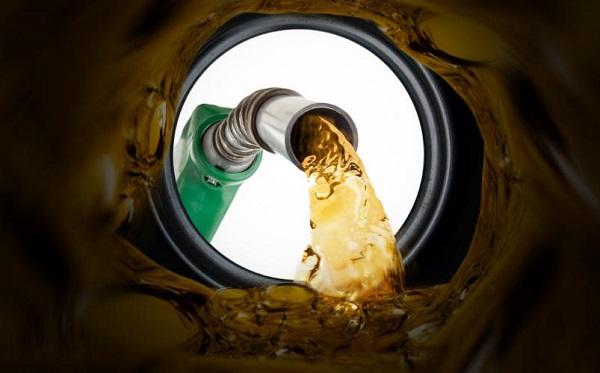
Global oil markets experienced significant fluctuations this week as investors reacted to geopolitical developments in the Middle East. Crude oil prices fell sharply, while major stock indexes rebounded following statements suggesting a possible easing of tensions between the United States and Iran.
The movement in oil markets was triggered by comments from Donald Trump, former U.S. President, indicating that the U.S. and Iran had engaged in discussions that could lead to a halt in hostilities. Investors interpreted these remarks as a signal that the threat of military escalation might be reduced, easing fears of potential supply disruptions from the region.
As a result, Brent crude, the international benchmark for oil prices, fell by approximately 10%, retreating from recent highs to around $100 per barrel. Similarly, West Texas Intermediate (WTI) crude, the U.S. benchmark, also declined by a comparable margin. The sudden drop reflects how sensitive oil prices remain to news from the Middle East, particularly developments affecting shipping routes such as the Strait of Hormuz.
While oil prices dropped, global stock markets rallied. Investors moved back into equities, pushing indexes such as the Dow Jones Industrial Average and the S&P 500 higher after recent losses. Analysts noted that the optimism stemmed from the possibility of a reduced risk premium on global energy supply, which had previously kept investors cautious.
Despite the positive market reaction, uncertainty remains. Some Iranian officials have downplayed the progress of talks, suggesting that substantive negotiations have not yet occurred. This highlights the fragile nature of the current geopolitical environment, where even tentative signals of peace can create significant volatility in energy and financial markets.
The recent market shifts underscore the dual role of geopolitics in shaping both energy prices and investor behavior. Rising tensions in the Middle East had previously pushed oil prices upward, reflecting concerns about potential supply shortages. The sudden easing of these concerns shows how quickly market sentiment can change in response to political developments.
Energy analysts warn that while the current drop in oil prices may provide short-term relief to consumers and businesses, the underlying risks have not disappeared. Any escalation in conflict or renewed threats to key shipping routes could trigger another surge in crude prices. As a result, both oil traders and policymakers continue to monitor the situation closely.
This episode also illustrates the interconnectedness of global markets. Oil prices, which affect production costs and consumer prices worldwide, have an immediate impact on equities and broader economic sentiment. Even speculative news about diplomatic developments can send ripples through financial markets, demonstrating the high sensitivity of investors to geopolitical signals.
In summary, the latest movements in oil prices and stock markets highlight the complex balance between risk and optimism in global financial markets. While tentative signs of peace between the U.S. and Iran offered a temporary boost to equities and eased oil price pressures, the situation remains fluid. Investors are likely to remain cautious, keeping a close watch on developments that could either stabilize or unsettle the energy markets once again.
Source: Thepressradio.com
More Related Articles
Ghanaian Poultry Farmers Tackle Egg Glut with Innovative Marketing Solutions
Ghana’s poultry sector is facing a serious challenge as an egg glut—an oversupply of eggs exceeding market demand—puts significant pressure on local producers. The surplus has forced farmers to rethink traditional sales approaches, exploring innovative strategies to move products and protect their l
Mahama Pledges GH¢500 Million to Expand Oil Palm Production as TCDA Eyes GH¢12 Billion in Exports
Former President John Dramani Mahama has committed GH¢500 million toward expanding oil palm cultivation in Ghana, supporting efforts by the Ghana Palm Oil Development Company (TCDA) to dramatically increase export earnings from the sector. The funding commitment is part of a broader strategy to grow

The Spaghetti Nation: How Ghana Has Embraced the Italian Staple
Spaghetti, originally an Italian staple, has become a household favourite in Ghana, making appearances in breakfasts, lunches, street food stalls, and family dinners. Once considered a foreign novelty, it has now been fully integrated into the Ghanaian diet, especially in urban areas such as Accra a