

Ghanaian Poultry Farmers Tackle Egg Glut with Innovative Marketing Solutions
Ghana’s poultry sector is facing a serious challenge as an egg glut—an oversupply of eggs exceeding market demand—puts significant pressure on local producers. The surplus has forced farmers to rethink traditional sales approaches, exploring innovative strategies to move products and protect their l
Ogyem Solomon
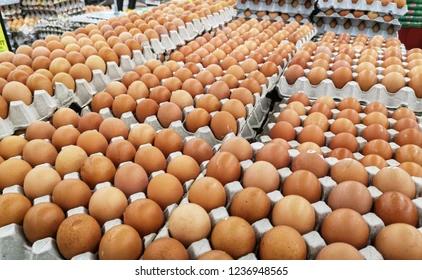
Ghana’s poultry sector is facing a serious challenge as an egg glut—an oversupply of eggs exceeding market demand—puts significant pressure on local producers. The surplus has forced farmers to rethink traditional sales approaches, exploring innovative strategies to move products and protect their livelihoods.
Farmers across the country report large backlogs of unsold eggs, despite high consumer prices. While farm-gate prices for eggs have dropped to around GH¢40–45 per crate, retail prices remain between GH¢70–75, leaving producers frustrated and struggling to clear inventory. The situation highlights inefficiencies in the poultry marketing system, particularly the role of intermediaries in inflating prices and complicating supply distribution.
The Greater Accra Poultry Farmers Association (GAPFA) has described the egg glut as a significant challenge for the industry. Officials warn that continued oversupply could threaten the sustainability of farms and the livelihoods of poultry workers. Maintaining large flocks under these conditions is costly, with feed and operational expenses continuing despite reduced revenue from slow sales.
To address the glut, farmers are increasingly turning to alternative marketing channels. Initiatives such as farm-gate sales, direct distribution networks, and online ordering platforms are helping producers sell eggs directly to consumers. These strategies reduce reliance on middlemen, giving farmers more control over pricing and inventory management while helping to stabilise supply in local markets.
Early reports suggest that these innovative channels are having a positive impact. Some farmers have successfully moved large quantities of surplus eggs, reducing storage pressure and financial losses. While these solutions do not completely solve the problem, they provide a practical model for improving efficiency and resilience in Ghana’s poultry sector.
Industry observers cite several underlying factors contributing to the egg glut. High feed costs remain a major burden, driving up production expenses and limiting the ability of local producers to remain competitive. Additionally, the importation of cheaper poultry products has intensified market pressure, prompting calls for policy support to protect domestic farmers.
Many experts advocate for government interventions to support the poultry sector through measures such as incentives for local production, regulations on imported products, and inclusion of eggs in institutional procurement programs for schools, hospitals, and social feeding schemes. Such steps could help absorb excess supply while promoting food security and economic stability.
Long-term solutions also require structural changes within the poultry industry. Improving storage and preservation infrastructure, enhancing access to financing, and strengthening coordination among farmers, government agencies, and private sector stakeholders are all critical for preventing future gluts and ensuring a sustainable value chain.
Despite the challenges, Ghanaian poultry farmers are demonstrating resilience and adaptability. By embracing direct sales, digital platforms, and strategic partnerships, producers are finding ways to survive and thrive in a volatile market. These efforts not only help clear immediate surpluses but also create a stronger foundation for a more competitive and efficient poultry industry in the future.
The egg glut crisis serves as a reminder of the importance of market diversification, innovation, and supportive policies in sustaining agriculture-based livelihoods. As farmers, industry associations, and government bodies continue to collaborate, there is hope that the Ghanaian poultry sector can overcome current challenges while building a more resilient and productive future.
Source: Thepressradio.com
More Related Articles

12 Tree and Plant Species Legally Protected Against Felling in Ghana
The Ghana Forestry Commission has highlighted that twelve tree and plant species in the country are legally protected from felling, harvesting, and trade under Ghana’s environmental and forestry regulations. This measure aims to preserve biodiversity, maintain ecological balance, and safeguard cultu

The Tony Elumelu Foundation to Announce 2026 Cohort of TEF Entrepreneurship Programme on March 22nd
• Over 265,000 applications received – from all 54 African countries • Underscoring Africa’s vibrant entrepreneurial sector and the vital role of early-stage funding • Agriculture, Artificial Intelligence, Healthcare and Green Economy top sectors from applicants •US$16 million to be dis

FIFA President Infantino Calls for Russia’s Ban From International Football to Be Lifted
FIFA President Gianni Infantino has called for a review and possible lifting of the ban placed on Russia’s participation in international football competitions, arguing that the sport should remain a platform for unity rather than division. Infantino made the call amid ongoing discussions within glo