

The Spaghetti Nation: How Ghana Has Embraced the Italian Staple
Spaghetti, originally an Italian staple, has become a household favourite in Ghana, making appearances in breakfasts, lunches, street food stalls, and family dinners. Once considered a foreign novelty, it has now been fully integrated into the Ghanaian diet, especially in urban areas such as Accra a
Ogyem Solomon
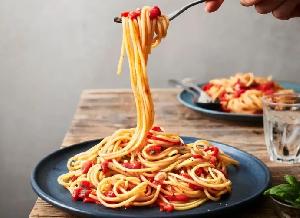
Spaghetti, originally an Italian staple, has become a household favourite in Ghana, making appearances in breakfasts, lunches, street food stalls, and family dinners. Once considered a foreign novelty, it has now been fully integrated into the Ghanaian diet, especially in urban areas such as Accra and Kumasi, where fast, affordable meals are a priority for busy residents.
In Ghana, spaghetti is rarely served plain. It is commonly paired with tomato-based sauces, stews, vegetables, and proteins like meat or fish, reflecting local tastes and creativity. In some cases, it is even served alongside traditional dishes such as waakye, blending international and local cuisine to create unique, satisfying meals. This adaptation has made spaghetti both versatile and popular among all age groups.
Experts note several factors driving the rise of spaghetti in Ghana. Television cooking shows, social media content, and youth food influencers have all contributed to its widespread appeal, making pasta dishes fashionable among younger generations. The influence of urban lifestyle trends and exposure to global cuisine has encouraged households and street vendors to adopt spaghetti as a regular part of their menus.
Availability and affordability also play a major role. Ghana imports large quantities of pasta and spaghetti to meet growing demand, ensuring it remains an accessible option for households across the country. Its convenience has made it a favourite for quick meals, particularly in busy cities where time and resources are limited.
Beyond convenience, Ghanaian cooks have embraced spaghetti as a canvas for culinary creativity, mixing it with local ingredients such as ginger, garlic, chilli, and tomatoes. These dishes reflect a fusion of international and Ghanaian flavours, creating meals that feel both familiar and innovative.
Some observers also point out that this trend is part of a wider pattern across Africa, where imported foods are increasingly integrated into local diets. While spaghetti’s popularity continues to grow, discussions about local production and value addition have emerged. Advocates suggest that developing domestic pasta production could reduce reliance on imports, create jobs, and strengthen Ghana’s food system, all while supporting the country’s rich culinary heritage.
Ghana’s love for spaghetti illustrates how global foods can be adopted and adapted to local culture. From Italian origins to becoming a Ghanaian staple, spaghetti has cemented its place in the nation’s food landscape, reflecting the country’s ability to blend tradition with modern tastes.
Source: Thepressradiio.com
More Related Articles
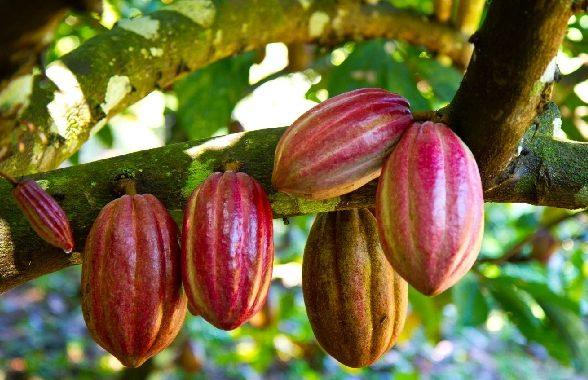
Buyers Turn Away from Ghana’s Cocoa as High Prices Hit Global Competitiveness – COCOBOD
The Cocoa Marketing Company (COCOBOD) has raised concerns that international buyers are increasingly shunning Ghana’s cocoa due to its high prices, making the country’s beans less competitive on the global market. According to COCOBOD officials, although Ghana is known worldwide for producing premiu

Oil Prices Surge to $90 Per Barrel Amid Israel–Iran Conflict
Global oil prices have jumped to approximately $90 per barrel as escalating hostilities between Israel and Iran fuel concerns over disruptions to crude oil supply and potential economic repercussions worldwide. The conflict, which has intensified in recent days, threatens stability in the Middle Eas
COMAC Announces Slight Fuel Price Increase Effective February 16
The Chamber of Oil Marketing Companies (COMAC) has announced that petroleum prices across Ghana will experience a slight increase starting February 16, 2026. The adjustment will affect key products, including petrol, diesel, and other petroleum derivatives, reflecting recent fluctuations in global o