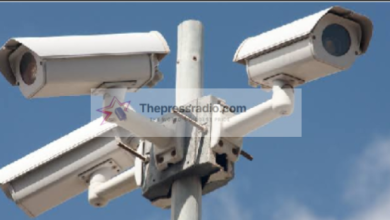


The National Road Safety Authority (NRSA) has observed a change in motorists’ behaviour following the deployment of the TRAFFITECH-GH automated traffic enforcement system, with drivers reportedly becoming more cautious on the roads.
According to the Authority, the introduction of the technology has encouraged some motorists to pay greater attention to traffic regulations, particularly speed limits, amid the possibility of being detected and penalised for road traffic offences.
Henry Asomani, Deputy Director of Planning and Programmes at the NRSA and focal person for the TRAFFITECH-GH initiative, said the Authority had noticed that some drivers were no longer speeding as frequently as they did before the system became operational.
He explained that motorists appeared to be exercising greater caution because they were aware that traffic violations could be captured through the automated enforcement system.
TRAFFITECH-GH officially became operational on November 1, 2026, as part of efforts to improve road discipline, reduce road crashes and strengthen the enforcement of traffic regulations across the country.
The system is designed to support the detection of traffic offences and make motorists more accountable for their actions on the roads.
Asomani said the initiative had received considerable public acceptance since its introduction, although some concerns had been raised about inadequate road signs and other infrastructure challenges that could affect motorists’ ability to comply with traffic regulations.
He disclosed that the NRSA was engaging relevant road agencies to address the concerns, particularly the need for appropriate signage showing speed limits and other important traffic instructions.
According to him, clear road signs are necessary to ensure that motorists understand the regulations applicable to particular roads and are not unfairly disadvantaged by inadequate information.
Asomani also stressed that enforcement remained a critical component of road safety management, explaining that public education alone had not been sufficient to ensure compliance among all motorists.
He noted that some drivers continued to disregard traffic regulations when they believed there would be no consequences for their actions.
He therefore argued that automated enforcement could help address this challenge by making drivers more conscious of their responsibilities and encouraging them to obey traffic laws even when there were no police officers physically present.
The NRSA official further acknowledged concerns raised by transport unions about traders occupying bus stops and pedestrian walkways. He said such practices created difficulties for commercial drivers who needed designated spaces to pick up and drop off passengers.
The concerns, he indicated, highlighted the need for a broader approach to road safety that went beyond monitoring speeding and other traffic offences.
Asomani also rejected suggestions that the TRAFFITECH-GH system was primarily intended to generate revenue for the government. He maintained that its central purpose was to reduce road crashes, promote responsible driving and save lives.
The Authority is particularly hopeful that the initiative will contribute to a reduction in road traffic incidents during the Christmas festivities and throughout 2027.
He further indicated that the NRSA had observed a downward trend in its road safety data since caution notices were introduced in September, suggesting that efforts to improve compliance were already producing encouraging signs.
The Authority believes that sustained enforcement, improved road infrastructure and continuous public education will be necessary to make the roads safer for all users.
With TRAFFITECH-GH now in operation, the NRSA is urging motorists to respect traffic regulations and adopt responsible driving habits to help prevent avoidable accidents.
Source: Thepressradio.com