
The purchasing power of GH¢1,000 in Accra continues to come under pressure as the cost of everyday goods and services rises.
What may once have been considered a substantial amount of money can now be quickly spent on basic household needs, particularly for people who have to provide food, clothing and other essentials for their families.
From food items such as rice to household products such as mattresses, GH¢1,000 may no longer be enough to comfortably cover the full cost of several commonly purchased items in some parts of Accra.
1. A quality mattress
A mattress is an important household necessity, but prices vary considerably depending on the size, material and brand. For consumers looking for a quality mattress, GH¢1,000 may provide limited options and may not cover the cost of some higher-quality products.
2. A large quantity of rice
Rice is one of the most commonly consumed staple foods in Ghana. However, the amount a consumer can purchase with GH¢1,000 depends on the brand, size and quality. For families buying rice in larger quantities, the money can quickly be used up.
3. A full household grocery shop
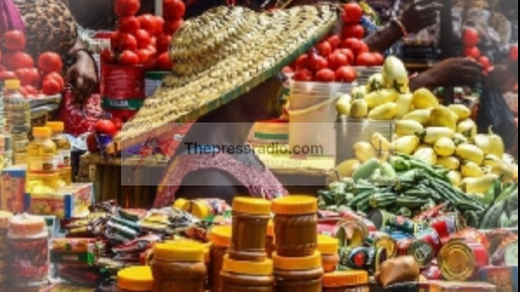
GH¢1,000 can also disappear quickly when used for a broad grocery shopping trip. Once items such as cooking ingredients, beverages, toiletries and other household necessities are added, the available amount may not stretch as far as expected.
4. Quality clothing
The price of clothing varies widely across Accra. While cheaper options remain available, people looking for quality outfits, footwear or branded clothing may find that GH¢1,000 is insufficient to purchase everything they need.
5. Household appliances
Basic household appliances can cost considerably more than GH¢1,000, particularly when consumers are looking for durable or higher-quality products. Items such as small kitchen appliances and other electrical equipment can therefore take up a significant portion of a household budget.
6. A substantial food supply
For families, GH¢1,000 may not be enough to provide a large stock of food for an extended period. Rising prices for staple foods, vegetables, meat and other ingredients mean that household food budgets can be exhausted quickly.
7. Furniture
Buying furniture in Accra can require considerably more than GH¢1,000, especially for larger or better-quality pieces. A consumer seeking items such as tables, chairs or other essential furniture may need to increase their budget.
8. Multiple pairs of quality footwear
Although affordable footwear is available, quality shoes can be expensive. Someone looking to buy several pairs for work, school or other activities could find GH¢1,000 insufficient depending on the products selected.
9. Personal-care products in bulk
Toiletries and personal-care products are another category where expenses can accumulate. Buying several products at once, particularly for a household, can consume a large part of a GH¢1,000 budget.
10. A combination of essential household items
Perhaps the biggest challenge is that GH¢1,000 may not cover several necessities at the same time. A person may be able to purchase one major item, but combining food, household goods and other essentials can quickly push the total beyond the available amount.
The situation highlights the growing importance of household budgeting as consumers deal with changing prices.
For many residents of Accra, the challenge is not simply the price of one particular product but the cumulative cost of meeting everyday needs. Food, accommodation, transportation, utilities and household expenses all compete for limited income.
The purchasing power of money can also differ depending on where a person shops, the quality of the product and whether they buy directly from wholesalers, markets, supermarkets or specialised stores.
While GH¢1,000 remains useful, the amount no longer guarantees that consumers can purchase everything they may consider essential.
The situation demonstrates why price comparisons and careful budgeting have become increasingly important for households trying to manage their finances amid changing living costs.
Source: Thepressradio.com