

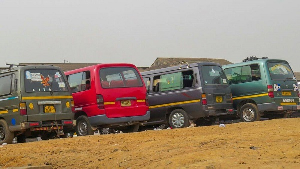
Commuters in parts of Kumasi in the Ashanti Region are facing higher transportation costs after some commercial transport operators reportedly increased fares by 23 percent, triggering concern among passengers.
The unexpected increase has generated frustration among commuters who rely heavily on commercial vehicles to travel to work, school, markets and other destinations across the city.
Transport fares are a particularly sensitive issue in Kumasi, where a large section of the population depends on public transport for daily movement. Any significant increase can therefore have a direct impact on household budgets, particularly for workers and students who make multiple journeys each day.
The reported 23 percent adjustment comes at a time when transport operators continue to deal with the rising cost of running their businesses. Fuel prices, vehicle maintenance, spare parts and other operational expenses remain important factors in discussions surrounding transport fares in Ghana.
However, the decision by some operators to raise fares has sparked questions over whether the increase has been formally approved and whether it applies across the transport sector or only to particular routes and operators.
Transport fare adjustments in Ghana have historically involved consultation between government and recognised transport unions. A recent dispute over a proposed fare increase also saw transport operators reject an unauthorised adjustment and direct drivers to maintain existing fares, highlighting the sensitivity surrounding fare changes.
For commuters, the immediate concern is the additional financial burden created by the new charges. Passengers who already spend a significant portion of their income on transportation may be forced to reconsider their daily travel patterns or absorb the additional costs.
The development could also have wider economic consequences. Higher transportation costs can feed into the prices of goods and services because traders, workers and businesses depend on road transport to move people and commodities.
Kumasi, as the commercial capital of the Ashanti Region, has a particularly busy transport network connecting residential communities, commercial centres, markets and surrounding towns. Changes in fares can therefore affect a large number of people within a short period.
The issue also highlights the continuing challenge of balancing the financial sustainability of transport operators with affordability for passengers. Operators argue that rising operating costs can make existing fares difficult to sustain, while commuters expect any adjustments to follow established procedures and reflect genuine changes in operating expenses.
The 23 percent increase reported in parts of Kumasi is expected to fuel further discussions among commuters, transport operators and relevant authorities about the appropriate fares for commercial transportation.
As concerns grow, attention is likely to focus on whether the reported increase has been officially sanctioned and whether transport unions and authorities will intervene to ensure consistency in fares across affected routes.
For now, commuters in the affected areas are being confronted with higher travel costs, adding another layer of pressure to household finances.
Source: Thepressradio.com