

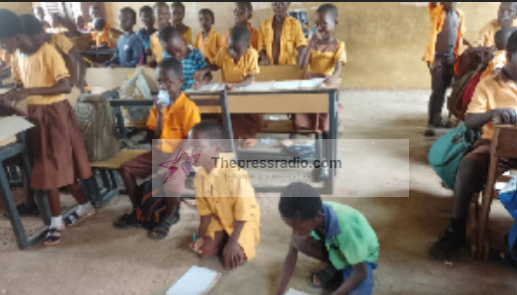
Residents of Dome have appealed to the relevant authorities to address sanitation concerns and improve inadequate school facilities, calling for urgent interventions to improve living conditions and support education in the community.
The concerns highlight the challenges communities face when waste management and public infrastructure do not meet residents’ needs. Heaps of refuse can create unpleasant surroundings and raise concerns about hygiene, while inadequate school facilities can affect pupils’ comfort, safety and ability to learn effectively.
Residents are looking to the authorities responsible for sanitation and education to take practical steps to address these challenges and ensure that essential services receive the attention they require.
Poor waste management remains a concern in several Ghanaian communities, where irregular refuse collection and inadequate disposal arrangements can contribute to environmental pollution. When rubbish accumulates for extended periods, residents may face unpleasant smells and worry about the possible health consequences.
Effective waste management requires regular collection, appropriate disposal facilities and cooperation among local authorities, service providers and community members. Residents also need accessible channels through which they can report sanitation problems and receive updates on planned interventions.
Education infrastructure is another concern raised in discussions about conditions in Dome. In September 2025, a report by Graphic Online highlighted an abandoned classroom block in Dome-Kwabenya that had reportedly remained incomplete since construction began in 2017. The project was described as a safety concern for pupils, while other challenges included inadequate desks and chairs, shortages of teaching materials and overcrowding in some schools.
The report also noted efforts by Dome-Kwabenya Member of Parliament Faustina Akurugu Elikplim to support pupils with educational materials and engage a contractor to complete the abandoned classroom block. The intervention underscored the need for sustained investment in school infrastructure alongside short-term assistance for learners.
Safe and adequately equipped classrooms are essential to effective teaching and learning. Where pupils lack suitable desks, chairs and other basic resources, the learning environment can become more difficult for both students and teachers.
Residents’ concerns over sanitation and school facilities therefore point to the importance of coordinated action by local authorities and other stakeholders. Addressing these needs would require identifying the most urgent problems, setting clear priorities and ensuring that interventions are followed through to completion.
Community members can also play a role by supporting responsible waste disposal and engaging local representatives on infrastructure needs. However, lasting improvements depend on effective planning, adequate resources and consistent service delivery by the institutions responsible.
The appeal from Dome adds to broader calls for improved local services and better public facilities. Residents will be looking for tangible action that addresses sanitation concerns and helps provide pupils with a safer, more suitable environment for their education.

Source: Thepressradio.com