

Private legal practitioner and social commentator Martin Kpebu has become central to a growing debate in Ghana over the future of the Office of the Special Prosecutor (OSP), with Majority Leader Mahama Ayariga and Speaker of Parliament Alban Bagbin weighing in on the controversy.
The issue came to the fore after Kpebu was detained by officials of the OSP following an incident at the institution’s premises. Kpebu had reportedly honoured an invitation from the office when a confrontation occurred between him and security personnel.
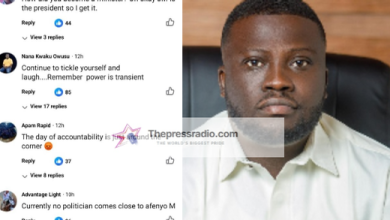
His subsequent detention generated significant public discussion, with calls for his release reportedly mounting on social media.
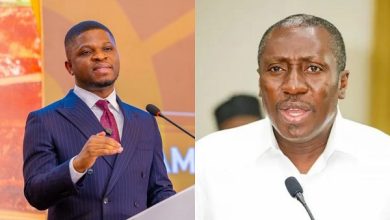
The incident was later raised in Parliament by Mahama Ayariga, who used the matter to renew his call for the abolition of the OSP.
Ayariga argued that the institution had failed to demonstrate sufficient results several years after its establishment and questioned whether it remained necessary when the Attorney-General’s Office already has constitutional responsibility for criminal prosecutions.
He maintained that adequately resourcing the Attorney-General’s Office would provide a more effective approach to fighting corruption in Ghana. Ayariga also recalled that he had opposed the creation of the OSP, arguing that it raised constitutional concerns regarding the prosecutorial authority of the Attorney-General.
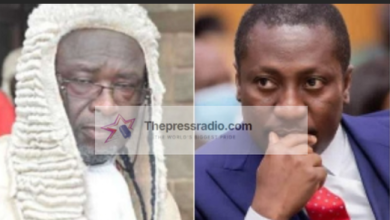
Speaker Alban Bagbin also entered the discussion, stressing that concerns surrounding arrests and the treatment of people invited by investigative bodies extend beyond the OSP.
According to Bagbin, the problem cuts across successive administrations and various security institutions, suggesting that the issue should not be viewed solely through a political lens.
The Speaker’s intervention has consequently brought him into the wider debate surrounding the OSP and the treatment of individuals who appear before investigative authorities.
The controversy has also divided opinion within Parliament. While Ayariga has strongly advocated for the OSP to be scrapped, some lawmakers have defended the institution and argued that its establishment was intended to strengthen Ghana’s fight against corruption. Damongo MP Samuel Jinapor, for instance, has described the creation of the OSP as a worthwhile initiative and opposed efforts to repeal its establishing law.
Meanwhile, calls have been made for the Special Prosecutor, Kissi Agyebeng, to appear before Parliament to explain recent detentions linked to the office.
The debate has now expanded beyond Martin Kpebu’s detention to broader questions about the constitutional role, effectiveness and future of the OSP.
For critics, the controversy demonstrates the need for greater accountability in the exercise of investigative powers. Supporters of the institution, however, maintain that Ghana needs strong and independent mechanisms to investigate and prosecute corruption.
As Parliament continues to debate the matter, the Kpebu incident has become a catalyst for a much larger conversation about Ghana’s anti-corruption architecture and the balance between investigative powers, individual rights and constitutional authority.
Source: Thepressradio.com