
South Sudan’s National Elections Commission (NEC) has officially postponed the country’s first general elections since gaining independence in 2011, shifting polling day from December 22, 2026, to February 11, 2027, just as nationwide voter registration got underway.
Under the revised electoral calendar released on Saturday, November 14, 2026, the 15-day voter registration drive is scheduled to run through November 28 across 3,161 registration centers spanning South Sudan’s 10 states and three administrative areas, with official election results projected to be declared by February 15. Commission spokesperson Josephine Achiro maintained that the timeline adjustment should not be misinterpreted as an effort to abandon or cancel the vote, explaining that the additional weeks are required to finalize the distribution of registration materials and expand voter education.
The decision follows repeated warnings from regional partners and the United Nations that the country lacked the security, funding, and institutional readiness needed to conduct credible polls in December. Logistical challenges remain acute: officials acknowledged that not all registration centers had received necessary equipment on opening day, while World Bank data indicates that roughly 90 percent of South Sudan’s 15 million residents lack state-recognized identification.
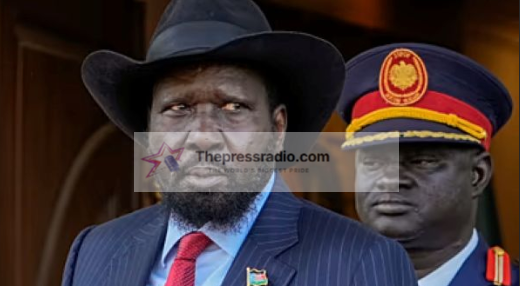
Political tensions and unresolved security risks continue to cast a shadow over the transition. President Salva Kiir’s main political rival, deposed First Vice President Riek Machar, has been under house arrest since March 2025 and faces trial on charges of treason, murder, and crimes against humanity a development that has strained the fragile 2018 peace accord that ended a five-year civil war claiming more than 400,000 lives. In September 2026, President Kiir also dissolved the transitional unity legislature and installed a caretaker administration, prompting legal experts to raise questions over the statutory footing of the delayed February poll.
Appealing for calm ahead of the 45-day campaign window set to begin on December 27, NEC Chairperson Gabriel Bol Deng urged political leaders to win support through persuasion rather than force, stressing that leadership must be decided “not through violence, not through bullets, only through ballot papers.”
Source: Thepressradio.com