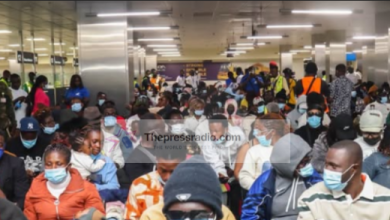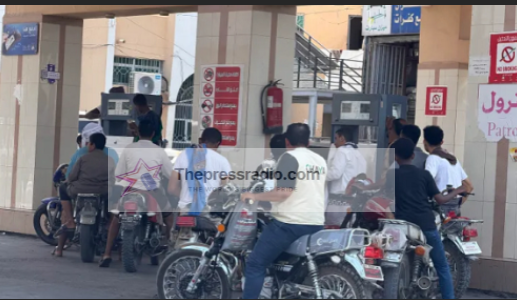
Motorists in Niamey, the capital of Niger, are facing long queues and disruptions to their daily activities as fuel shortages continue to affect the country, leaving drivers and motorcyclists struggling to obtain petrol.
The shortage has caused frustration among residents who depend on fuel for their daily commutes, commercial activities and other essential journeys. Some motorists have reportedly spent extended periods waiting at filling stations, while others have encountered stations with little or no fuel available.
The situation has disrupted normal movement in the capital, making it increasingly difficult for some residents to travel to work and carry out routine responsibilities. Motorcyclists, taxi operators and other transport providers are particularly vulnerable because their livelihoods depend heavily on a regular supply of fuel.
Reports indicate that the shortages had affected other parts of Niger before spreading to Niamey, raising concerns about the stability of the country’s fuel distribution system and its ability to meet domestic demand.
The continued difficulties have also fuelled public frustration. Some residents reportedly said they had previously been informed that the shortage was easing, only to find themselves still struggling to obtain petrol.
The situation has drawn attention to the challenges facing Niger’s energy sector. Although the country produces crude oil, domestic demand for refined petroleum products and constraints in the supply chain can leave consumers vulnerable to shortages.
Limited refining capacity and the disruption of cheaper informal fuel supplies from neighbouring Nigeria have been cited as possible contributing factors. Niger has historically relied on cross-border fuel movements to supplement supplies, making changes in regional trade and distribution particularly significant.
In response to supply pressures, authorities have reportedly introduced restrictions on fuel exports in an effort to prioritise the domestic market. Such measures are intended to ensure that available supplies remain within the country and reach local consumers.
However, the restrictions alone may not immediately resolve the problem if distribution difficulties, inadequate stocks or other supply constraints persist. The length of time required for normal supplies to return will depend on the availability of fuel and the effectiveness of measures taken to stabilise distribution.
The shortages also highlight the wider economic consequences of disruptions to essential energy supplies. When motorists cannot obtain fuel, transport costs can rise, businesses may struggle to move goods and workers can face difficulties reaching their workplaces. Prolonged shortages can therefore affect economic activity beyond the filling stations themselves.
For residents of Niamey, attention remains focused on when reliable fuel supplies will return and whether the government’s measures will ease the pressure on motorists.
Until supplies stabilise, drivers and transport operators may continue to face uncertainty as they attempt to meet their daily travel and business needs.
Source: Thepressradio.com