

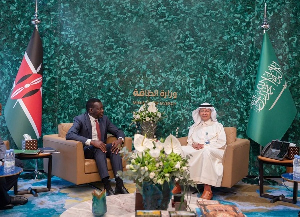
African energy ministers and key industry stakeholders could face a significant choice as major energy gatherings in Riyadh and Cape Town compete for their attention.
The timing of the two events has sparked discussion about where African policymakers should focus their efforts as the continent seeks greater investment and stronger partnerships to address its energy challenges.
Riyadh, Saudi Arabia, offers access to one of the world’s most influential energy markets. Saudi Arabia’s long-standing position in the global oil and gas industry makes the country an important destination for discussions about energy investment, technology and the future of the global energy sector.
For African countries, participation in international energy discussions can create opportunities to attract financing, develop partnerships and gain access to expertise that could support major energy projects.
Cape Town, meanwhile, provides a platform specifically focused on Africa’s energy priorities. The city’s major energy gathering brings together African governments, investors, energy companies and other stakeholders to discuss the continent’s energy resources and development needs.
The choice between the two destinations therefore represents more than simply deciding which conference to attend. It highlights a broader question about how African countries should position themselves in the rapidly changing global energy industry.
Africa is rich in energy resources, including oil, natural gas, solar, wind and hydropower potential. Yet millions of people across the continent continue to face challenges accessing reliable and affordable electricity.
The continent also needs substantial investment in power generation, transmission networks, energy infrastructure and industrial development.
Against this background, African governments have a strong reason to engage international partners. However, policymakers also need to ensure that international partnerships produce meaningful benefits for African economies.
One major concern is that Africa should not remain primarily an exporter of raw energy resources while importing finished products and technologies at significantly higher costs.
Greater investment in local processing, manufacturing and energy infrastructure could help African countries create jobs, strengthen industries and retain more value from their natural resources.
The discussions taking place in Riyadh and Cape Town could therefore have implications extending well beyond the events themselves.
African energy ministers will need to consider where they can secure the most valuable partnerships and opportunities for their respective countries while keeping the continent’s long-term interests at the centre of their decisions.
The growing importance of renewable energy also makes the issue more complex. As the global energy industry moves through a major transition, African countries have an opportunity to develop their renewable-energy potential while continuing to manage their oil and gas resources.
Ultimately, whether policymakers choose Riyadh, Cape Town or seek opportunities at both gatherings, the priority should be finding practical ways to accelerate Africa’s energy development.
The continent’s vast resources provide significant opportunities, but converting those resources into reliable electricity, economic growth and improved living standards will require investment, cooperation and strategic decision-making.
Source: Thepressradio.com


