

For many Ghanaian footballers, the dream of playing professionally comes with the hope of achieving financial security, fame and a comfortable life after retirement. However, for some former players, the reality beyond the football pitch can be far more challenging than the years they spent entertaining supporters and representing the country.
Retirement from professional football often marks the beginning of a difficult transition. While active players may earn salaries, receive bonuses and enjoy public recognition, those benefits can disappear when their careers come to an end. Without proper financial planning and alternative sources of income, some former footballers find it difficult to maintain their standard of living.
The situation raises questions about how adequately Ghanaian football prepares players for life after their playing careers. Footballers generally spend much of their youth developing their skills, competing for clubs and pursuing opportunities to represent the national team. As a result, some may have limited time to acquire the education, professional qualifications or business experience needed to build another career.
Financial management is another important concern. A player’s earnings during an active career may appear substantial, but they must often cover family responsibilities, accommodation, healthcare and other expenses long after retirement. Without savings, investments or a sustainable business, former players can become financially vulnerable when their regular income stops.
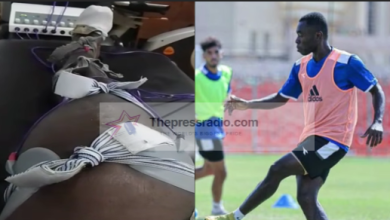
Health challenges can make the transition even more difficult. Football is physically demanding, and injuries sustained during a career can affect a player’s ability to work after retirement. Former players who require ongoing medical attention may face additional expenses at a time when their earning capacity has declined.
The experiences of former Ghanaian footballers have drawn attention to the importance of providing better support for those who have contributed to the country’s sporting history. Players who once represented major clubs or the Black Stars may eventually find themselves struggling to meet everyday needs, highlighting the gap that can exist between sporting achievements and long-term financial security.
Preparing players for retirement requires cooperation among clubs, football administrators, players’ representatives and the athletes themselves. Financial literacy programmes, pension arrangements, career counselling and access to further education could help players plan for life beyond professional football.
Former footballers can also explore opportunities in coaching, scouting, sports administration, media, business and youth development. Their experience and knowledge of the game can remain valuable to Ghanaian football even after they stop playing competitively.
Football authorities and clubs could further strengthen support by encouraging players to plan for retirement early rather than waiting until their careers are over. Such measures would help current players understand the importance of saving, investing responsibly and developing skills that can support them in the future.
The struggles associated with life after football also underline the need to recognise former players beyond their past achievements on the pitch. Their contributions to clubs, the national team and the development of Ghanaian football remain part of the country’s sporting heritage.
Ultimately, a successful football career should not end with uncertainty about the future. Greater attention to financial preparation, healthcare and post-retirement opportunities could help ensure that former Ghanaian footballers are better equipped to live with dignity after their playing days.
Source: Thepressradio.com