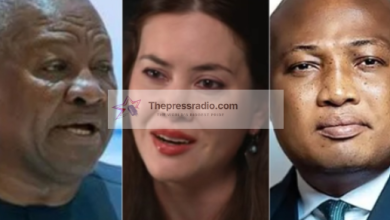

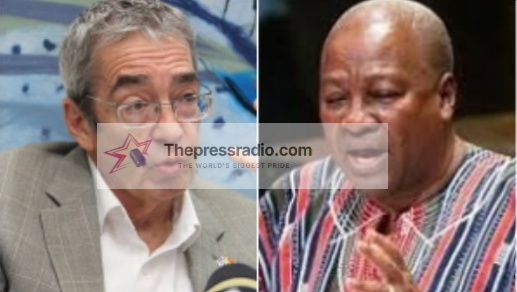
Israeli Ambassador to Ghana Roey Gilad has questioned President John Dramani Mahama’s public response to Russia’s invasion of Ukraine, raising concerns about what he perceives as differences in the attention given to international conflicts.
Gilad’s comments have brought renewed attention to Ghana’s foreign policy and the role of political leaders in speaking out on conflicts that affect international peace and security.
The ambassador’s remarks focus on Mahama’s public statements concerning the conflict between Israel and the Palestinians, particularly his support for a two-state solution, and whether the President has demonstrated similar visibility in addressing Russia’s war against Ukraine.
The Russia-Ukraine war, which escalated into a full-scale invasion in February 2022, has prompted widespread international condemnation, sanctions against Russia by several countries and calls for respect for Ukraine’s sovereignty and territorial integrity.
The conflict has also divided international opinion over the appropriate diplomatic response, the provision of military assistance and efforts to negotiate a lasting settlement.
Ghana has expressed support for the principles of sovereignty and territorial integrity in international affairs. Consequently, questions about Mahama’s public comments should be distinguished from the country’s broader diplomatic position and its statements through official channels.
On the Israeli-Palestinian conflict, Mahama has reiterated Ghana’s support for a two-state solution, which envisions Israel and an independent Palestinian state living alongside each other in peace and security.
The issue remains a major subject of international diplomacy, with continuing disagreements over security, territorial claims, settlements, Palestinian statehood and the humanitarian consequences of the conflict.
Gilad’s criticism raises a broader question about whether world leaders should address different international crises with the same level of public urgency. However, the frequency of a leader’s public statements does not, on its own, establish whether the country has taken diplomatic action behind the scenes.
Ghana’s foreign policy is shaped by official government statements, diplomatic engagements, voting positions at international organisations and bilateral relations, in addition to comments made by the President.
Assessing the country’s response to either conflict therefore requires consideration of these different channels rather than relying exclusively on public speeches.
The ambassador’s remarks also highlight the sensitivities surrounding international conflicts and the expectations placed on African leaders to explain their positions on issues beyond the continent.
While diplomatic representatives are entitled to question the positions and public messaging of other governments, their comments should be considered alongside the relevant countries’ documented actions and statements.
The debate is likely to keep attention on Ghana’s approach to major international conflicts and the balance it seeks to maintain in its diplomatic relationships.
Source: Thepressradio.com