

VIDEO: The Legendary African Billionaire Whose Wealth Defied Imagination
Long before names like Elon Musk, Jeff Bezos, and Bill Gates became global symbols of wealth, Africa had its own legendary figure whose riches and influence were said to be beyond comprehension. That man was Kankam, widely regarded as the first well-known richest African man, whose fortune and legac
Ogyem Solomon
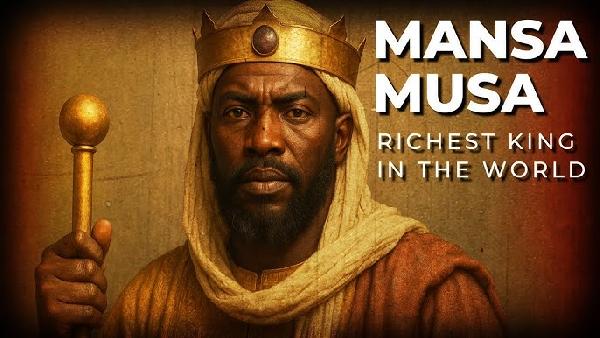
Long before names like Elon Musk, Jeff Bezos, and Bill Gates became global symbols of wealth, Africa had its own legendary figure whose riches and influence were said to be beyond comprehension. That man was Kankam, widely regarded as the first well-known richest African man, whose fortune and legacy continue to fascinate historians, scholars, and readers across the continent.
Although his name is not commonly featured in modern billionaire rankings, historical narratives portray Kankam as a man of extraordinary wealth, influence, and power in an era that predates contemporary financial systems. His riches were not defined by stock markets, multinational corporations, or digital assets, but by extensive trade networks, control of valuable resources, and strategic economic dominance within his region.
Kankam’s story reflects a broader truth about Africa’s historical economic strength. Long before colonialism and modern capitalism, African societies operated complex commercial systems that included long-distance trade routes, local industries, and thriving marketplaces. Wealth was built through gold, salt, agricultural production, craftsmanship, and regional trade, creating powerful economic figures whose influence extended beyond their immediate communities.
Historians and cultural scholars often point to figures like Kankam as evidence that Africa’s economic history is far richer and more complex than is commonly portrayed. His legendary status challenges the modern narrative that extreme wealth is a recent phenomenon on the continent. Instead, it highlights the existence of pre-colonial African wealth structures that rivaled global economic systems of their time.
Although detailed records of Kankam’s exact assets and sources of wealth remain limited, his reputation as an extraordinarily rich man has endured through oral history, cultural storytelling, and historical interpretation. His name has become symbolic of African prosperity, leadership, and economic influence in ancient times.
Kankam’s legacy also serves as a reminder that wealth is not only measured in money but in power, control, influence, and legacy. His status was tied not just to material riches, but to leadership authority, social influence, and the ability to shape the economic direction of communities and regions.
Today, renewed interest in figures like Kankam reflects a growing desire to reconnect with Africa’s historical identity and economic heritage. Scholars argue that understanding such figures helps reshape perceptions of Africa, moving away from narratives of dependency toward stories of innovation, enterprise, and prosperity that existed long before modern global systems.
As conversations about wealth, development, and African history continue to evolve, Kankam’s story stands as a powerful symbol of Africa’s forgotten billionaires — men and women whose fortunes were built through indigenous systems of trade, leadership, and economic organization.
Though his life remains partly shrouded in history, Kankam’s legacy continues to inspire curiosity and pride, reminding Africans and the world that the continent has long been home to extraordinary wealth, powerful leaders, and sophisticated economic systems that shaped civilizations long before the modern age.
Watch the video below:
Source: Thepressradio.com
More Related Articles
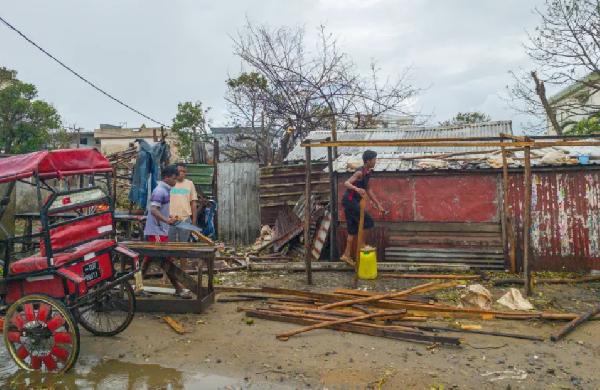
Cyclone Gezani in Madagascar Leaves 38 Dead and 12,000 Displaced as Mozambique Prepares
Madagascar is reeling after Cyclone Gezani swept through parts of the island nation, leaving at least 38 people dead and displacing more than 12,000 residents. The powerful storm battered communities with heavy rains, strong winds, and widespread flooding, destroying homes and infrastructure, and fo
10 African Countries with the Highest IMF Debt at the Start of 2026
As African economies continue to face financial pressures, several nations are relying heavily on the International Monetary Fund (IMF) for economic support at the beginning of 2026. A recent report highlights the top 10 African countries with the largest outstanding IMF debt, reflecting both the co
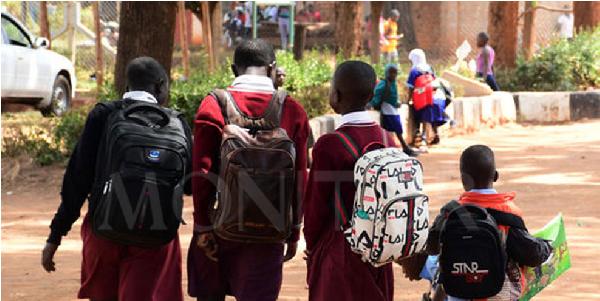
Church Challenges Government Over Free Education Policy in Uganda
A church body in Uganda has publicly raised concerns about the government’s free education policy, arguing that its implementation limits parental involvement and may undermine the quality of education. The Ankole Diocese is leading the challenge, calling for a review of how the policy affects famil