

Church Challenges Government Over Free Education Policy in Uganda
A church body in Uganda has publicly raised concerns about the government’s free education policy, arguing that its implementation limits parental involvement and may undermine the quality of education. The Ankole Diocese is leading the challenge, calling for a review of how the policy affects famil
Ogyem Solomon
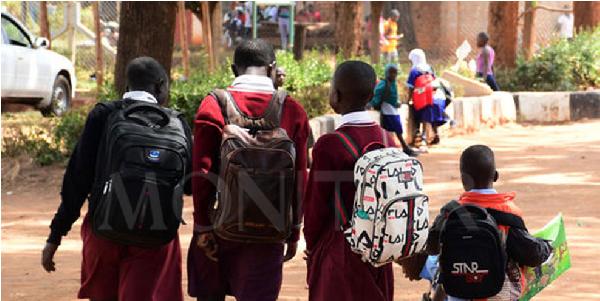
A church body in Uganda has publicly raised concerns about the government’s free education policy, arguing that its implementation limits parental involvement and may undermine the quality of education. The Ankole Diocese is leading the challenge, calling for a review of how the policy affects families and community stakeholders.
While Uganda’s free education framework aims to cover school tuition and reduce the financial burden on parents, church leaders say that in practice, the policy excludes parents from meaningful decision-making in their children’s education. They contend that decisions made solely by government authorities can ignore community needs and diminish parental influence in schools.
The Diocese emphasised that free education should not mean the total removal of parental input. Church officials argue that policies affecting children’s schooling must involve parents, educators, and local institutions to ensure that reforms reflect the values and priorities of the communities they serve.
This challenge adds to broader debates across Africa regarding free education initiatives. Faith-based organisations and mission schools have historically played a significant role in providing education, and leaders stress that government policies should be formulated in partnership with these institutions to maintain quality and inclusivity.
Critics of current implementations of free education policies also point out that without proper consultation, such programmes may inadvertently weaken school governance and strain resources, impacting the learning environment for students. Inclusive planning, they argue, can ensure that free education initiatives succeed while keeping families engaged in their children’s academic development.
The Ankole Diocese’s stance underscores the need for governments to balance accessibility with stakeholder participation, ensuring that free education initiatives serve both students and the wider community effectively. As discussions continue, attention is on how Uganda’s government will respond and whether adjustments will be made to incorporate feedback from parents, churches, and other education stakeholders.
Source: Thepressradio.com
More Related Articles

Two Ugandan Women Detained for Allegedly Kissing in Public
Two young women in Uganda have been taken into police custody after being reported for allegedly kissing in public, highlighting the strict enforcement of the country’s Anti-Homosexuality Act of 2023. The incident occurred in Arua City, northwestern Uganda, when neighbours alerted authorities after

Teacher Killed, 18 Pupils Injured as Lightning Strikes School in Northern Uganda
A tragic lightning strike has claimed the life of a young teacher and left 18 pupils injured at a primary school in Oyam District, northern Uganda, plunging the local community into grief and renewed calls for improved safety measures in schools. The incident occurred at Global View Nursery and Prim
Today’s Geopolitics Influencing Africa’s Sustainable Food Sovereignty
In the short term, advocating for food security and debating aspects of adopting import substitution sound as perfect economic measures for Africa. Ensuring economic sovereignty has always been the primary goal since attaining political independence. But, at quick glance, most of these African count