

Vehicle Prices in Ghana Expected to Drop by 15% as Dealers Announce Major Reduction
Ghanaian car buyers may soon experience significant relief as the Automobile Dealers Union of Ghana (ADUG) has announced that vehicle prices across the country are expected to fall by about 15 percent. The development comes as part of efforts by dealers to align with global market trends and improve
Ogyem Solomon
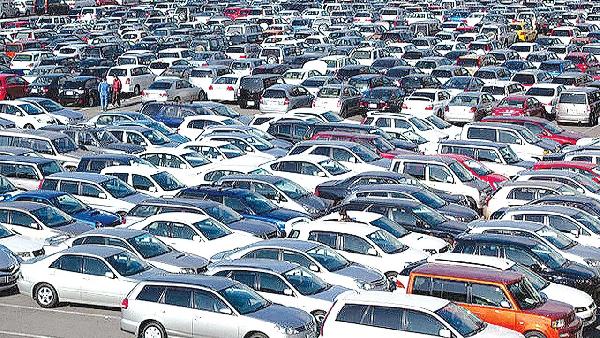
Ghanaian car buyers may soon experience significant relief as the Automobile Dealers Union of Ghana (ADUG) has announced that vehicle prices across the country are expected to fall by about 15 percent. The development comes as part of efforts by dealers to align with global market trends and improve affordability in the local automobile sector.
According to the union, the anticipated reduction will affect both new and used vehicles, offering potential financial relief to individuals, families, and businesses that have struggled with rising vehicle costs in recent years. The price drop is expected to apply to imported vehicles as well as those sold through registered local dealerships.
Industry stakeholders say the decision reflects changes in global vehicle pricing, shipping costs, and currency stability, which have all contributed to recent adjustments in import and operational expenses. Dealers believe the reduction will help stimulate demand in a market that has slowed due to high prices and reduced purchasing power among consumers.
Speaking on the announcement, representatives of the dealers’ union explained that the move is part of a broader strategy to revive confidence in the automobile market and encourage vehicle ownership across different income levels. They noted that high vehicle prices have made car ownership increasingly difficult for average Ghanaians, particularly young professionals and small business owners who depend on vehicles for economic activity.
The expected price drop is also seen as a boost for commercial transport operators, ride-hailing drivers, logistics businesses, and delivery services that rely heavily on vehicle access for daily operations. With reduced costs, many operators may now be able to expand their fleets, replace ageing vehicles, or enter the transport business for the first time.
Economic analysts say the price reduction could have wider economic benefits, including increased vehicle sales, higher dealership activity, job creation, and improved mobility for workers and entrepreneurs. Lower vehicle costs can also positively affect productivity by reducing transportation barriers for businesses and service providers.
Consumers have reacted positively to the news, with many expressing optimism that the reduction will finally make car ownership more attainable. Some prospective buyers who previously postponed purchases due to high prices are now considering entering the market if the announced reduction is implemented as expected.
However, experts caution that while a 15 percent reduction is significant, other factors such as insurance costs, fuel prices, maintenance expenses, and registration fees will continue to influence the overall cost of owning a vehicle. They stress that affordability goes beyond purchase price alone and depends on the broader cost-of-living environment.
Dealers have assured the public that the price changes will be implemented gradually across dealerships and import channels, ensuring market stability and fair pricing practices. They also encouraged buyers to transact with registered and verified dealers to avoid fraud and substandard vehicle imports.
The announcement comes at a time when many Ghanaians are seeking financial relief amid economic pressures, making the expected price reduction a welcome development for households and businesses alike. If fully implemented, the policy could mark a turning point for Ghana’s automobile sector, restoring growth, accessibility, and consumer confidence.
As the market prepares for the changes, industry players are calling for continued collaboration between dealers, regulators, and policymakers to ensure sustainable pricing, quality standards, and consumer protection. The coming months will determine how effectively the price reduction is rolled out and how strongly it impacts vehicle ownership and mobility across the country.
Source: Thepressradio.com
More Related Articles

The Spaghetti Nation: How Ghana Has Embraced the Italian Staple
Spaghetti, originally an Italian staple, has become a household favourite in Ghana, making appearances in breakfasts, lunches, street food stalls, and family dinners. Once considered a foreign novelty, it has now been fully integrated into the Ghanaian diet, especially in urban areas such as Accra a

The Tony Elumelu Foundation to Announce 2026 Cohort of TEF Entrepreneurship Programme on March 22nd
• Over 265,000 applications received – from all 54 African countries • Underscoring Africa’s vibrant entrepreneurial sector and the vital role of early-stage funding • Agriculture, Artificial Intelligence, Healthcare and Green Economy top sectors from applicants •US$16 million to be dis

Why Gen Z Is Quietly Switching Off Brands That Don’t Walk the Talk
As Gen Z continues to dominate cultural conversation and spending power, Penquin, one of South Africa’s leading brand and communication agencies, is urging brands to rethink how they show up in 2026. According to Nicole Glover, Executive Creative Director – Digital at Penquin, the old playbook of fl