

US President Signs Short-Term Extension of AGOA Trade Programme
The President of the United States has signed a short-term extension of the African Growth and Opportunity Act (AGOA), ensuring that African countries continue to enjoy duty-free access to the US market while discussions on a longer-term arrangement continue. AGOA, which was first enacted in 2000, a
Ogyem Solomon
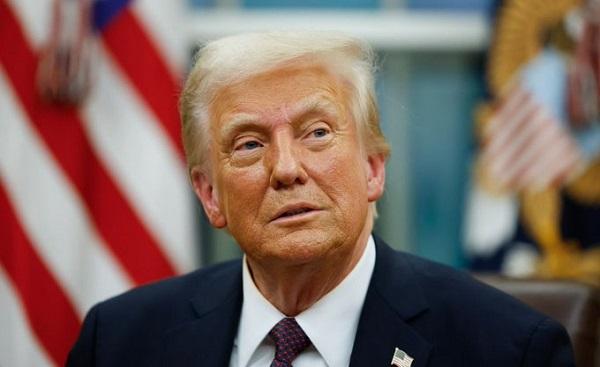
The President of the United States has signed a short-term extension of the African Growth and Opportunity Act (AGOA), ensuring that African countries continue to enjoy duty-free access to the US market while discussions on a longer-term arrangement continue.
AGOA, which was first enacted in 2000, allows eligible African nations to export thousands of products to the United States without paying import duties. The programme has been a key pillar of US–Africa trade relations, supporting industries such as agriculture, textiles, apparel, and light manufacturing across the continent.
The latest extension comes amid uncertainty over the future of the trade framework, raising concerns among African governments and businesses that rely on AGOA preferences to sustain jobs, attract investment, and expand exports. By approving a temporary extension, the US administration has provided short-term relief to exporters who depend on predictable access to the American market.
Trade analysts note that AGOA has facilitated billions of dollars in trade since its introduction, helping to integrate African economies into global supply chains. The programme has also encouraged foreign direct investment by offering incentives to manufacturers seeking to use Africa as a production base for the US market.
Despite its benefits, AGOA has faced periodic reviews and debates in Washington, particularly regarding its long-term relevance and structure. The short-term nature of the latest extension suggests that discussions are still ongoing about the future direction of US–Africa trade relations and whether AGOA should be renewed, revised, or replaced with a new framework.
African trade officials and private sector players have welcomed the extension but continue to call for a longer and more stable renewal, arguing that short-term extensions create uncertainty and make long-term business planning difficult. Many believe that a multi-year renewal would provide greater confidence for investors and exporters alike.
As negotiations continue, stakeholders across Africa will be watching closely to see whether the temporary extension leads to a more comprehensive and predictable trade agreement that supports sustainable economic growth and strengthens commercial ties between Africa and the United States.
Source: Thepressradio.com
More Related Articles

Elon Musk Nears Historic $800 Billion Net Worth Following xAI Funding Round
Tech billionaire Elon Musk is approaching an unprecedented net worth of $800 billion, which would make him the first individual in history to reach this milestone. The surge in his wealth comes on the back of a $20 billion private funding round for xAI Holdings, the artificial intelligence company f
Why the United States Attacked Iran: What You Should Know
The United States, with support from Israel, has launched a major military attack on Iran, significantly escalating tensions in the Middle East. The offensive began on 28 February 2026, drawing global attention and widespread concern about regional stability. According to statements from U.S. offici

Young Lawyer Arraigned for Allegedly Defrauding US-Based Nurse of $150,000
A 28-year-old lawyer, identified as Magdalene Aba Amporful, has been arraigned before an Accra Circuit Court for allegedly defrauding a U.S.-based nurse of $150,000 under false pretences. According to court proceedings, the accused is alleged to have presented herself as capable of facilitating legi