

Why the United States Attacked Iran: What You Should Know
The United States, with support from Israel, has launched a major military attack on Iran, significantly escalating tensions in the Middle East. The offensive began on 28 February 2026, drawing global attention and widespread concern about regional stability. According to statements from U.S. offici
Ogyem Solomon
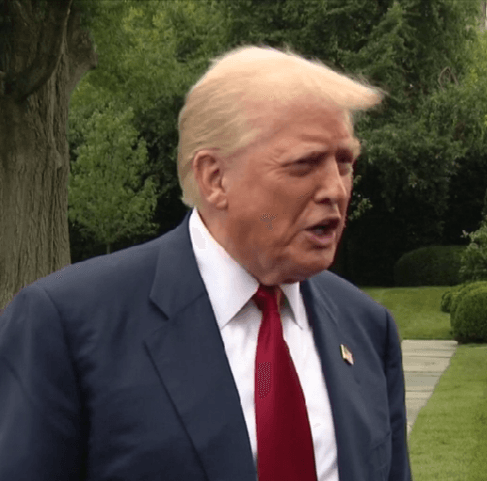
The United States, with support from Israel, has launched a major military attack on Iran, significantly escalating tensions in the Middle East. The offensive began on 28 February 2026, drawing global attention and widespread concern about regional stability.
According to statements from U.S. officials, the military action was intended as a pre-emptive response to what the United States described as an ongoing security threat posed by Iran. U.S. leaders cited Iran’s development of advanced weapons systems, long-range missiles, and its backing of regional armed groups as reasons why decisive action was necessary to protect American interests and the security of allies in the region.
Israeli leaders also supported the operation, framing it as a necessary step to counter threats to national security. They emphasised that Iran’s military and strategic activities had reached a level that required an immediate response, and called the strikes a justified measure to ensure safety and deter further escalation.
Shortly after the attack began, explosions were reported in several Iranian cities, including the capital Tehran. Visuals shared online showed smoke rising over urban areas, and air raid alarms were heard as Iranian air defences responded to the strikes. The situation prompted widespread fear and uncertainty among civilians, as the possibility of further military action loomed.
Iran condemned the attack, calling it a violation of its sovereignty and an act of aggression. Iranian officials warned that they would respond and described the offensive as an unjustified escalation in an already tense geopolitical environment.
International reactions have been mixed. Many world leaders and regional organisations called for calm and urged all parties to pursue diplomatic solutions to avoid a wider conflict. They warned that continued military confrontation could destabilise the Middle East and have far-reaching effects on global peace and security.
The United States and its allies argue that diplomatic efforts to resolve concerns about Iran’s weapons programmes and regional influence had repeatedly stalled, leaving military action as a last resort. They say the offensive was aimed at neutralising what they saw as imminent risks before they could lead to broader violence.
While the immediate impact of the strikes is still unfolding, global attention remains focused on how Iran will respond and whether tensions will continue to escalate or shift toward negotiations. The situation highlights the fragile nature of peace in the Middle East and the complex mix of security, diplomatic, and strategic interests at play.
Source: Thepressradio.com
More Related Articles
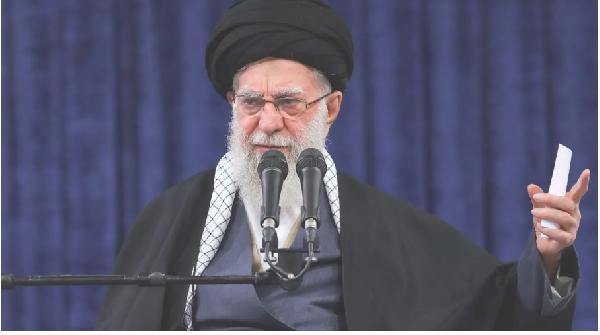
Trump Claims Iran’s Supreme Leader Khamenei Dead After US–Israeli Strikes
U.S. President Donald Trump has claimed that Ayatollah Ali Khamenei, the Supreme Leader of Iran, has died following recent military strikes by the United States and Israel. Trump made the statement via his social media platform, asserting that the strikes targeted Iran’s leadership and military infr
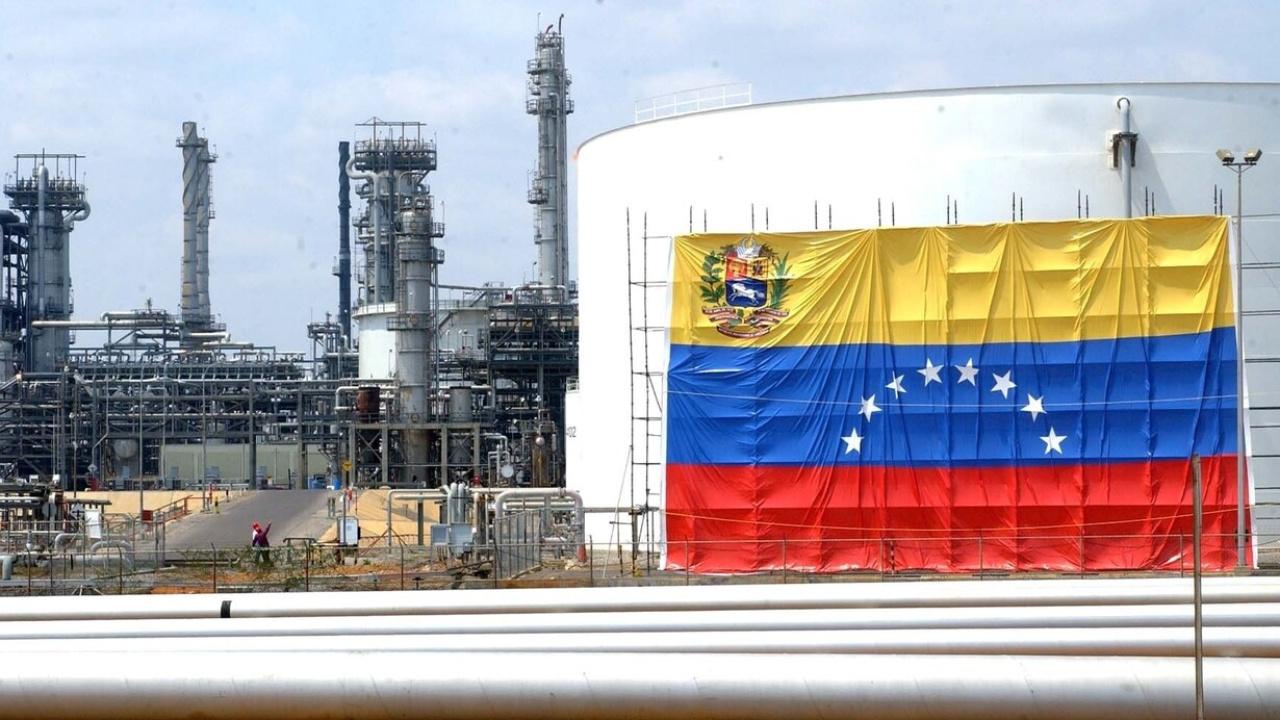
What the U.S.–Venezuela Oil Reset Means for Caribbean Energy Markets
The United States’ completion of its first sale of Venezuelan crude oil in years—valued at approximately $500 million—signals a notable shift in hemispheric energy relations, reopening a channel that had long been constrained by sanctions and political standoff. The transaction represents more than
EU Orders TikTok to Change ‘Addictive Design’ or Face Heavy Fines
The European Union (EU) has directed popular social media platform TikTok to urgently modify features of its platform described as having an “addictive design”, warning that failure to comply could result in massive financial penalties under EU digital regulations. EU regulators say certain elements