

Trump postpones strikes on Iranian power plants amid talks
U.S. President Donald Trump has announced a postponement of planned military strikes on Iranian power plants and energy infrastructure for at least five days, following what he described as “productive” discussions with Iranian representatives. Trump stated that the pause in military action is inten
Ogyem Solomon
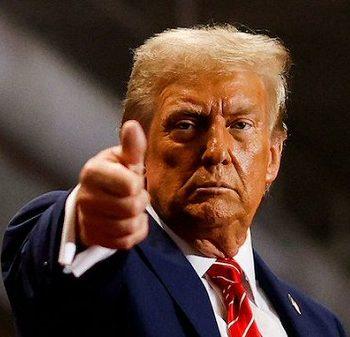
U.S. President Donald Trump has announced a postponement of planned military strikes on Iranian power plants and energy infrastructure for at least five days, following what he described as “productive” discussions with Iranian representatives.
Trump stated that the pause in military action is intended to allow diplomatic efforts to continue, emphasizing that the conversations could potentially defuse tensions in the ongoing Middle East conflict. He instructed the U.S. military to hold off on any attacks while these discussions are underway, signaling a cautious approach to avoid further escalation.
The announcement immediately influenced global markets, with oil prices dropping sharply as investors reacted to the reduced risk of immediate conflict in the region. Analysts noted that the decision reflected the volatile interplay between geopolitical events and economic trends, particularly in energy markets.
Despite Trump’s comments, Iranian officials have denied that any formal negotiations occurred. Tehran described the claims of productive talks as unfounded, creating uncertainty about the true nature and extent of any behind-the-scenes diplomacy. This discrepancy has raised questions about the accuracy of public statements and the real progress of the discussions.
The postponement comes amid heightened tensions around the Strait of Hormuz and other strategic areas, where both the United States and Iran face international scrutiny. The world is now watching closely to see whether the pause will lead to substantive diplomatic engagement or whether military options may still be reconsidered in the coming days.
This development underscores the delicate balance between military action and diplomacy in volatile regions, highlighting how leadership decisions can have immediate implications for both international relations and global economic stability.
Source: Thepressradio.com
More Related Articles
US President Signs Short-Term Extension of AGOA Trade Programme
The President of the United States has signed a short-term extension of the African Growth and Opportunity Act (AGOA), ensuring that African countries continue to enjoy duty-free access to the US market while discussions on a longer-term arrangement continue. AGOA, which was first enacted in 2000, a

African Students Participate in International Tech School in Russia
Students from more than 20 African countries, including Ethiopia, Ghana, Rwanda, South Africa, Tanzania, and Namibia, recently took part in the International Tech School held in Obninsk, Russia. The programme brought together young talents from across the world to receive in-depth training in nuclea

An ingredient for this curry is missing – and in eight minutes it’s at the door
Tanisha Singh is getting ready for work early one morning and cooking a simple curry for her lunchbox when she realises she’s out of tomatoes. Onions are already frying in the pan. Going out to buy vegetables is not an option, as local vegetable vendors won’t be open. So Tanisha picks up