

Skills Open Doors, Character Sustains Influence – Rev. Dr. Nike Adeyemi on Building Tomorrow’s Leaders Today
Rev. Dr. Mrs. Nike Adeyemi, a respected Nigerian pastor and a leading voice in Christian and humanitarian circles, has challenged African leaders to look beyond titles and targets, and turn their attention to the people and families they are shaping along the way. Addressing participants at the 13th
Dickson Boadi
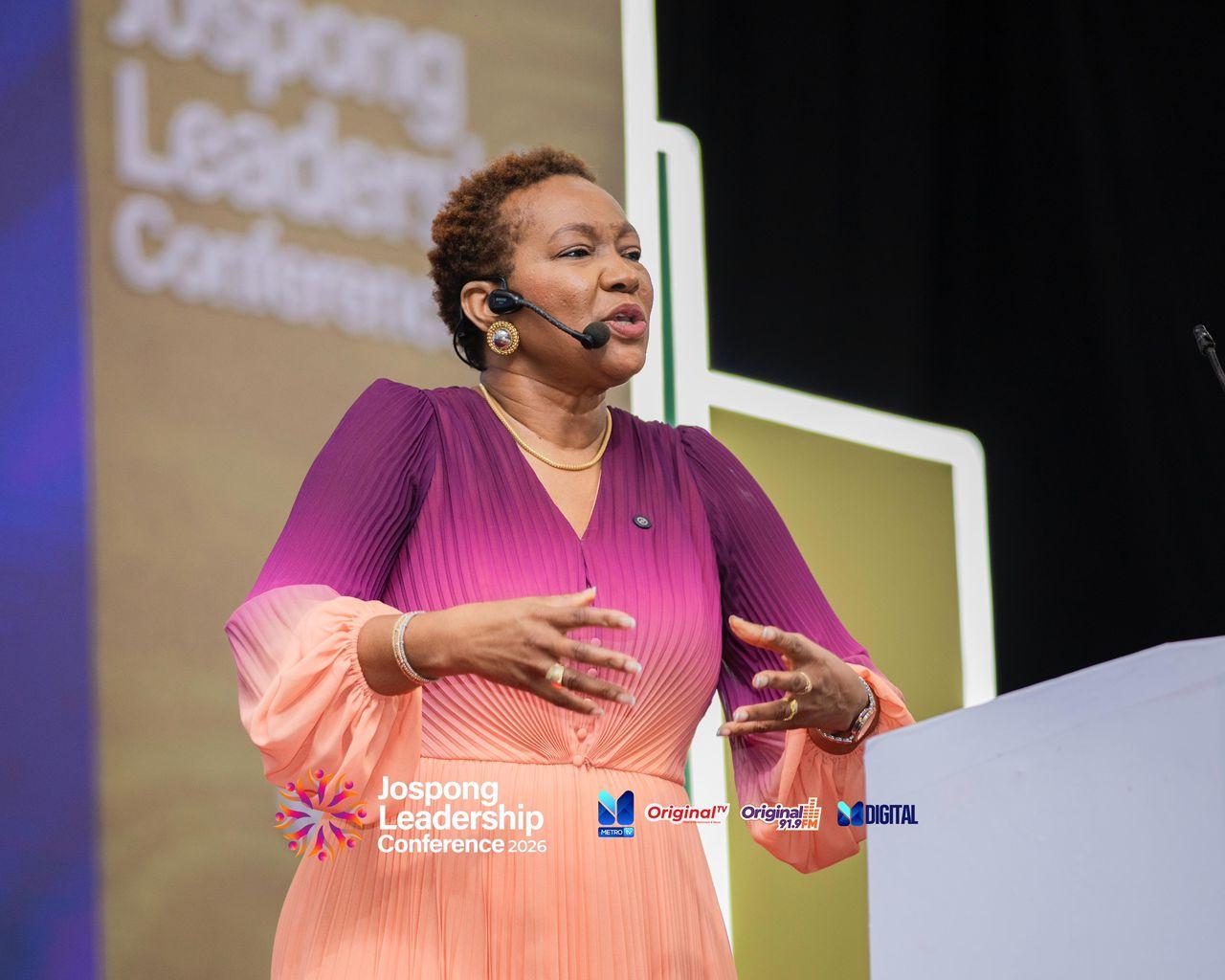
Rev. Dr. Mrs. Nike Adeyemi, a respected Nigerian pastor and a leading voice in Christian and humanitarian circles, has challenged African leaders to look beyond titles and targets, and turn their attention to the people and families they are shaping along the way.
Addressing participants at the 13th Jospong Leadership Conference held at the Pentecost Convention Centre in Gomoa-Fetteh in the Central Region, she called on leaders to be deliberate about building their subordinates and their homes with kindness, discipline, and a strong sense of leadership. According to her, the true measure of leadership is not found in personal accomplishments but in the quality of lives raised under one’s influence. As she put it, “the greatest leadership isn’t what we achieve; it is who we raise.”
Speaking on the topic “Family Life and Relationship,” Rev. Dr. Mrs. Adeyemi noted that every great leader is a product of family, community, and environment. She cautioned married couples and those aspiring to marriage against chasing the illusion of perfection. In her view, there are no perfect families, only intentional ones. What matters is the conscious effort people make to build homes that work for them, despite their flaws.
She acknowledged that conflict is unavoidable, both within families and in the corporate world. However, she stressed that healthy conflict, when managed well, builds character and strengthens relationships rather than destroying them.
The conference, themed “Building Tomorrow’s Leaders Today,” provided the backdrop for her strong emphasis on marriage as a foundation for leadership. Known for her depth in pastoral work and family life advocacy, Rev. Dr. Mrs. Adeyemi explained that marriage shapes leadership culture. She therefore urged participants to strive for success in their marriages if they hope to lead effectively in the workplace and society at large.
She described leadership as a continuous journey of learning and unlearning, noting that marriage offers one of the most practical training grounds for this process. In marriage, she said, individuals must deliberately learn positive habits and values while consciously unlearning negative ones.
In her closing reflections, she highlighted the balance between skills and character in leadership development. Learning, she explained, helps people acquire skills, and while skills may open doors, it is character that sustains influence and earns lasting respect.
Her message left the thousands of participants with a quiet but powerful reminder. Leadership begins at home, is refined in relationships, and ultimately shows up in how people treat and raise others.
More Related Articles
Afro-Arab Group Delivers on Work-and-Pay EV Cars Promise
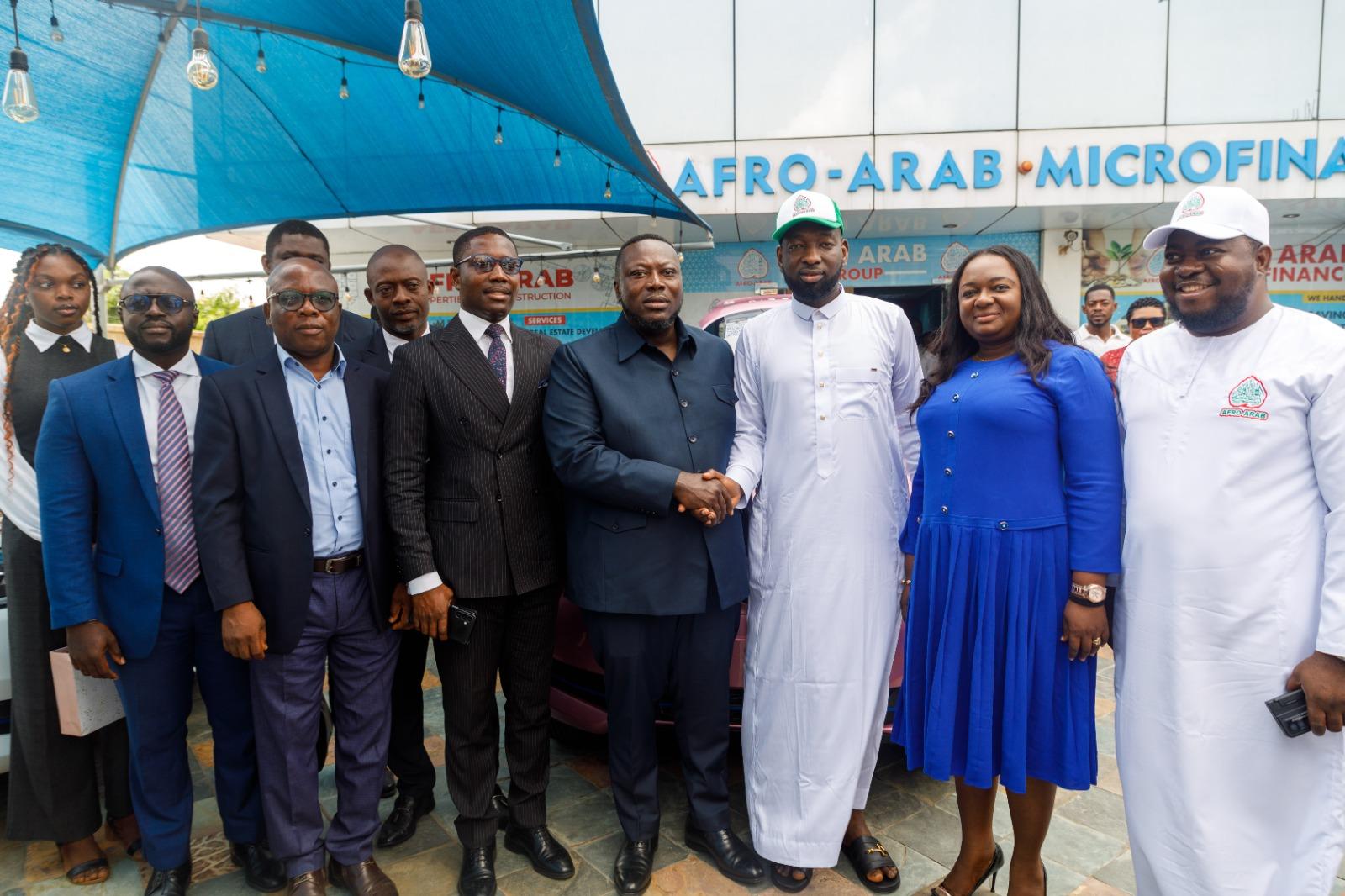
The Afro-Arab Group, led by its Chairman, Ambassador Alhaji Salamu Amadu, has officially launched its Work-and-Pay Electric Vehicle (EV) Programme, fulfilling a major commitment to create 2,000 direct and indirect jobs through the deployment of 1,000 electric vehicles. The programme was officially l
Education Minister Haruna Iddrisu Discharged After Road Accident
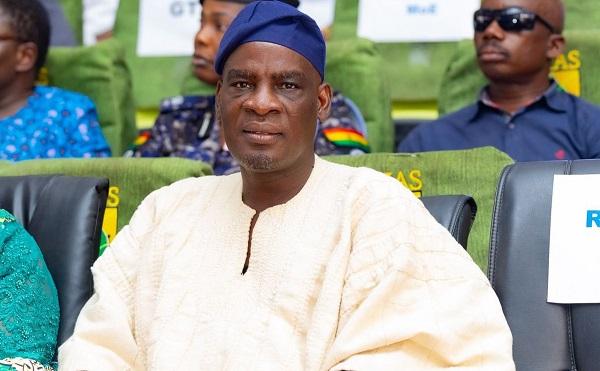
Ghana’s Haruna Iddrisu has been discharged from the 37 Military Hospital following treatment for injuries sustained in a road accident on the Bolgatanga–Tumu highway. The Minister’s release comes after medical officials confirmed that he is in stable condition and recovering well from the incident.

March 3, 1957: Key Events Leading to Ghana’s Independence
As Ghana prepares to celebrate its Independence Day on March 6, it is important to remember the critical milestones that paved the way for the nation’s freedom from colonial rule. Long before the historic moment when Ghana became the first sub-Saharan African country to gain independence, a series o