

Heavy Floods in Northern Morocco Force Mass Evacuations
Severe flooding in northern Morocco has forced the evacuation of thousands of residents after days of heavy rainfall caused rivers to overflow, inundating towns and villages across the region, including Ksar El Kebir. The floods have submerged streets, homes, and farmland, prompting urgent action fr
Ogyem Solomon
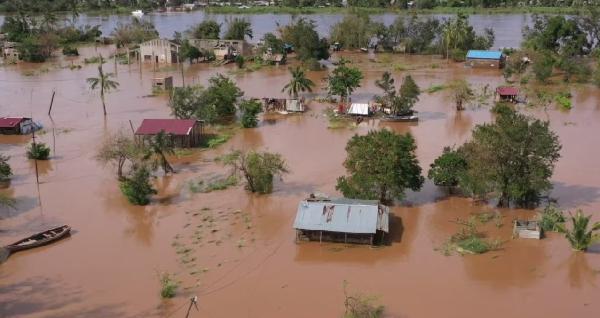
Severe flooding in northern Morocco has forced the evacuation of thousands of residents after days of heavy rainfall caused rivers to overflow, inundating towns and villages across the region, including Ksar El Kebir. The floods have submerged streets, homes, and farmland, prompting urgent action from authorities to relocate affected populations to safer areas.
Aerial images captured the extent of the disaster, showing entire neighborhoods under water and highlighting the scale of destruction. Emergency responders, local officials, and volunteers have been deployed to assist in rescue operations, temporary shelter arrangements, and the distribution of food and medical aid. Authorities have urged residents to follow safety directives and cooperate with evacuation procedures to minimize the risk of casualties.
The flooding has disrupted daily life, damaged property, and raised concerns about infrastructure resilience in flood-prone areas. Experts note that extreme weather events, such as these heavy rains, are becoming more frequent in North Africa due to climate change, emphasizing the need for improved urban planning and disaster preparedness.
In response, government agencies are coordinating relief efforts to ensure the affected communities receive essential support. Temporary shelters have been set up, and efforts continue to provide clean water, food supplies, and medical care to displaced residents.
Residents who have experienced repeated flooding events are calling for stronger preventative measures, including improved drainage systems and flood barriers, to reduce future risks. The Moroccan authorities have pledged to review disaster management strategies and strengthen early warning systems to better protect vulnerable populations.
The current floods serve as a stark reminder of the growing threat of climate-induced natural disasters, and highlight the importance of community cooperation, swift emergency response, and sustainable infrastructure planning in mitigating the impact of such events.
Source: Thepressradio.com
More Related Articles

Nigeria reels under surge of terror and kidnapping attacks
Nigeria is facing an alarming rise in insecurity, with reports showing that 34 out of 36 states recorded 137 cases of terror attacks and kidnappings within just four weeks. The figures underscore the growing threat posed by militant groups, armed gangs, and criminal networks across the country. The

Ghanaian Man and Nigerian Girlfriend Found Dead in Morocco Apartment
Tragedy struck in Morocco as a Ghanaian man and his Nigerian girlfriend were found dead in their apartment, authorities have confirmed. The discovery has prompted a full investigation into the circumstances surrounding their deaths. Neighbours reportedly raised the alarm after noticing that the coup

Nigeria Police Arrest Six in N7.7 Billion Cyber-Enabled Telecom Fraud
The Nigeria Police Force has made a major breakthrough in the fight against cybercrime by uncovering a sophisticated cyber-enabled telecom fraud scheme worth approximately N7.7 billion (several million dollars). As part of the investigation, authorities have arrested six individuals believed to be a