

Nigeria reels under surge of terror and kidnapping attacks
Nigeria is facing an alarming rise in insecurity, with reports showing that 34 out of 36 states recorded 137 cases of terror attacks and kidnappings within just four weeks. The figures underscore the growing threat posed by militant groups, armed gangs, and criminal networks across the country. The
Ogyem Solomon
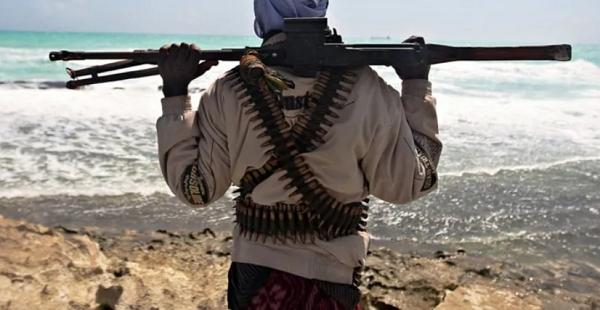
Nigeria is facing an alarming rise in insecurity, with reports showing that 34 out of 36 states recorded 137 cases of terror attacks and kidnappings within just four weeks. The figures underscore the growing threat posed by militant groups, armed gangs, and criminal networks across the country.
The recent data highlights a nationwide pattern of violence affecting both urban and rural communities. Citizens in several states have reported kidnappings, armed raids, and attacks on civilians, leaving many families living in fear and uncertainty. Schools, markets, and workplaces have been disrupted, while some residents have even chosen to relocate to avoid danger.
Northern regions remain particularly vulnerable, with groups such as Boko Haram and the Islamic State West Africa Province (ISWAP) responsible for repeated assaults and abductions. However, criminal gangs and bandits in other regions have also contributed significantly to the rise in kidnappings, often demanding ransom from terrified families. Analysts say that abduction has become a lucrative activity for these networks, further fueling insecurity.
The impact of this violence extends beyond immediate physical danger. Communities affected by attacks report a sense of constant fear, economic losses due to disrupted businesses, and social disruption as people alter daily routines to stay safe. Many students and workers now face difficulties attending school or going to work, further exacerbating the humanitarian consequences.
In response, Nigerian security agencies have intensified military and police operations targeting known terror cells and kidnappers. There have been arrests and tactical successes, but officials acknowledge that the scale of the threat remains overwhelming. Coordination between government authorities, local leaders, and security forces is seen as critical to curbing the violence and protecting citizens.
Civil society groups and human rights organisations have also expressed concern, calling for more robust measures to address the root causes of insecurity, including poverty, unemployment, and weak governance structures in vulnerable regions. Their advocacy highlights the need for both immediate security action and long-term strategies to prevent future attacks.
The recent tally of 137 terror and kidnapping incidents in just four weeks paints a stark picture of the security challenges facing Nigeria today. Millions of lives are affected, and urgent intervention is required to restore public confidence, ensure the safety of communities, and prevent further loss of life.
Source: Thepressradio.com
More Related Articles
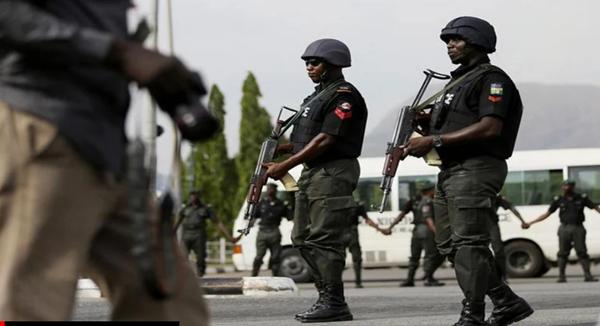
Police Raid Crime Hotspots in Enugu, Recover Firearm and Detain 15 Suspects
Security forces in Enugu State have intensified their crackdown on criminal activity following a coordinated operation that led to the detention of 15 suspects and the recovery of a firearm and suspected marijuana sativa. The operation was carried out by the Nigeria Police Force, targeting several l

Eswatini Faces Backlash from Madagascar Junta Over Hosting Deposed Leader
Eswatini has drawn criticism from Madagascar’s military government after it hosted the country’s recently ousted leader, Andry Rajoelina. The visit has created diplomatic tension between the two Southern African nations, with the junta expressing concern that Eswatini’s actions undermine its authori
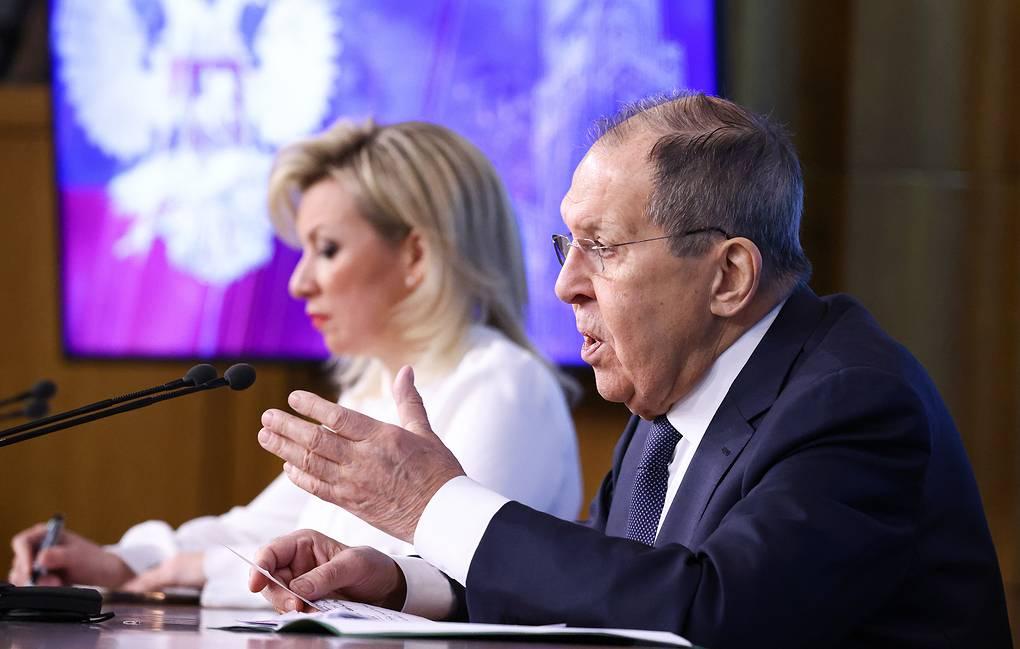
Lavrov Says Africa Is “Waking Up” to Demand Political Sovereignty and Economic Independence
Foreign Minister Sergey Lavrov, during his traditional media conference summarizing the performance of Russian diplomacy in 2025, described the entire African leadership as currently in the process of waking up, from its deep slumber, to ensure political sovereignty, and now making assertive efforts