

12 Tree and Plant Species Legally Protected Against Felling in Ghana
The Ghana Forestry Commission has highlighted that twelve tree and plant species in the country are legally protected from felling, harvesting, and trade under Ghana’s environmental and forestry regulations. This measure aims to preserve biodiversity, maintain ecological balance, and safeguard cultu
Ogyem Solomon
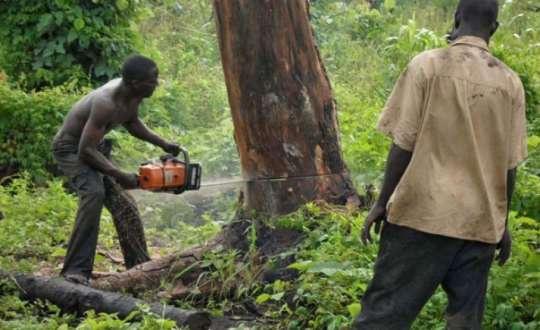
The Ghana Forestry Commission has highlighted that twelve tree and plant species in the country are legally protected from felling, harvesting, and trade under Ghana’s environmental and forestry regulations. This measure aims to preserve biodiversity, maintain ecological balance, and safeguard cultural heritage associated with these important species.
The protected species include trees that are rare, slow-growing, or vital to local ecosystems, some of which are also used for medicinal, cultural, or wildlife habitat purposes. The law clearly stipulates that anyone who cuts, transports, or sells these trees without official authorization could face severe penalties, including fines or imprisonment.
Authorities stress that the protections are part of broader efforts to combat illegal logging and deforestation, which continue to threaten Ghana’s forests. Forestry officials have also emphasized the importance of sustainable forest management, encouraging local communities to observe conservation laws and report any illegal activities.
The Forestry Commission and the Environmental Protection Agency (EPA) are leading public education initiatives to raise awareness about these protections. They aim to ensure that citizens understand the significance of these species, not only for the environment but also for sustaining livelihoods and cultural practices that rely on forest resources.
Environmental groups have welcomed the legal protections but cautioned that enforcement remains critical. They argue that community cooperation, strong monitoring systems, and swift prosecution of offenders are essential to ensure these regulations effectively preserve Ghana’s natural heritage.
By maintaining protections for these twelve species, Ghana continues to reinforce its commitment to forest conservation and ecological sustainability, highlighting the need to balance development with environmental stewardship.
Source: Thepressradio.com
More Related Articles

UBA Group and BII Sign Letter of Intent to Explore Trade Finance Collaboration across Africa
United Bank for Africa (UK) Limited (“UBA UK”) and British International Investment plc (“BII”), the UK’s development finance institution and impact investor, today announced that they have signed a letter of intent to develop trade finance collaboration opportunities. The proposed initiative

COCOBOD Audit Reveals GH¢32.9 Billion Debt, Raises Concerns Over Governance
A recent procurement audit has exposed significant financial management weaknesses at the Ghana Cocoa Board (COCOBOD), revealing a debt of GH¢32.9 billion. The findings have sparked public debate and renewed scrutiny over the board’s procurement processes, financial oversight, and overall governance

OSP Arrests COCOBOD Deputy CEO Ato Boateng – Report
The Office of the Special Prosecutor (OSP) has reportedly arrested Dr. Ato Boateng, the Deputy Chief Executive Officer of the Ghana Cocoa Board (COCOBOD), as part of an ongoing investigation into alleged conflict of interest. According to reports, the anti-corruption body took Boateng into custody f