

FIFA Records Highest Number of January Transfers Despite Decline in Spending
The January transfer window has set a new global benchmark for player movement, according to FIFA, with the highest number of transfers ever recorded in a single mid-season window. However, the surge in activity came alongside a notable decline in total spending, highlighting a shift in how football
Ogyem Solomon
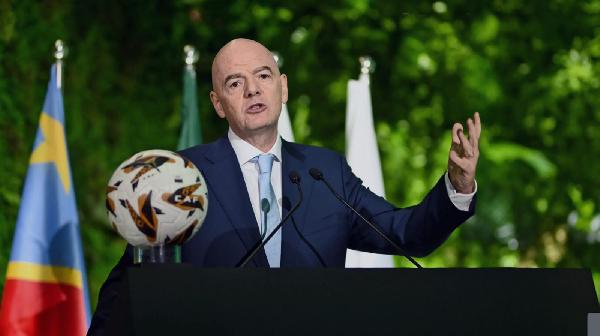
The January transfer window has set a new global benchmark for player movement, according to FIFA, with the highest number of transfers ever recorded in a single mid-season window. However, the surge in activity came alongside a notable decline in total spending, highlighting a shift in how football clubs approach recruitment.
In its latest report, FIFA revealed that clubs across the world completed a record number of player deals during the January 2026 window. Despite the increased volume of transfers, the total amount spent was lower than figures recorded in previous years. This contrast points to changing market dynamics, where clubs are prioritising financial sustainability over expensive signings.
Analysts say the trend reflects a growing emphasis on cost-effective squad building. Rather than pursuing high-profile transfers with hefty fees, many clubs opted for loan deals, free transfers, and lower-cost acquisitions. This strategy allowed teams to strengthen key areas without placing excessive pressure on their finances.
The data also shows that transfer activity was not limited to Europe’s elite leagues. Clubs from Africa, Asia, the Americas, and smaller European leagues were highly active, contributing significantly to the record-breaking numbers. This wider participation underlines the increasing globalisation of football and the expanding reach of the international transfer market.
FIFA noted that economic caution continues to influence decision-making within the game. Rising operational costs, stricter financial regulations, and the lingering effects of global economic uncertainty have forced many clubs to reassess their spending habits. As a result, recruitment strategies are becoming more targeted, with clubs focusing on players who fit tactical needs and long-term development plans rather than marquee names.
Despite the drop in spending, the increase in player movement is seen as a positive sign for competitive balance. Smaller clubs were able to access talent that might previously have been out of reach, while players benefited from greater mobility and opportunities to revive or advance their careers.
FIFA believes the trends observed during the January window could shape future transfer periods. With clubs becoming more disciplined financially, similar patterns of high activity combined with controlled spending may continue in upcoming windows.
As the season progresses, the impact of these January moves will become clearer, with teams hoping their strategic recruitment choices translate into improved performances on the pitch.
Source: Thepressradio.com
More Related Articles

Ronaldo & Benzema Shake Up Saudi Pro League: From Star Power to Controversy
The Saudi Pro League entered the global spotlight when two of football’s biggest stars, Cristiano Ronaldo and Karim Benzema, joined its ranks. Their signings were hailed as a historic moment, meant to elevate the league’s profile, attract international fans, and position Saudi Arabia as a serious pl

WATCH: Antoine Semenyo Scores Decisive Goal as Bournemouth Edge Past Tottenham
Ghanaian winger Antoine Semenyo scored the decisive goal as AFC Bournemouth secured a crucial victory over Tottenham Hotspur in the Premier League. His well-taken strike proved to be the match-winner, showcasing his attacking prowess and ability to perform in high-pressure situations. Semenyo’s perf
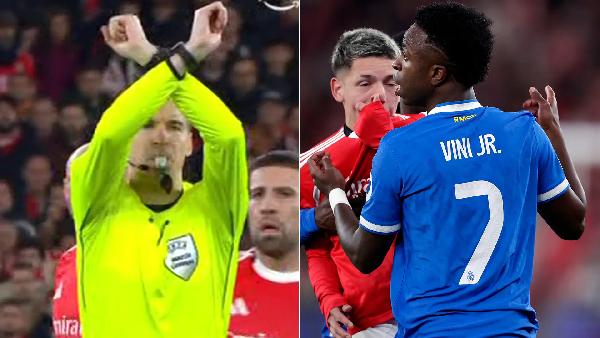
How Football’s Anti-Racism Protocol Was Applied in Vinícius Júnior Incident
Football’s global fight against racism took centre stage during a high-profile match after Brazilian star Vinícius Júnior raised allegations of racial abuse, triggering the sport’s official anti-racism protocol and drawing worldwide attention to the mechanisms used to combat discrimination on the pi