

How Football’s Anti-Racism Protocol Was Applied in Vinícius Júnior Incident
Football’s global fight against racism took centre stage during a high-profile match after Brazilian star Vinícius Júnior raised allegations of racial abuse, triggering the sport’s official anti-racism protocol and drawing worldwide attention to the mechanisms used to combat discrimination on the pi
Ogyem Solomon
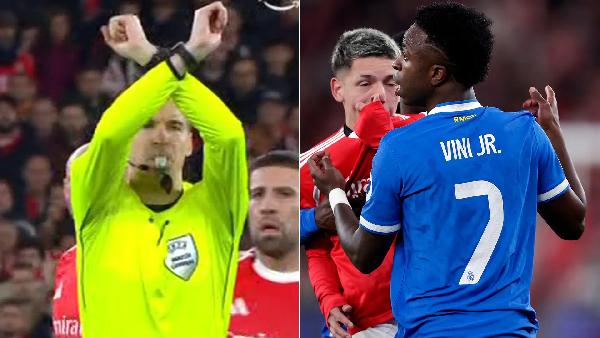
Football’s global fight against racism took centre stage during a high-profile match after Brazilian star Vinícius Júnior raised allegations of racial abuse, triggering the sport’s official anti-racism protocol and drawing worldwide attention to the mechanisms used to combat discrimination on the pitch.
The incident occurred during a major European fixture involving Real Madrid and Benfica, where Vinícius Júnior accused an opposing player of directing a racist slur at him following a goal celebration. The allegation immediately led match officials to activate football’s anti-racism procedures, temporarily halting the game.
Under current regulations, referees are empowered to stop matches if racist abuse is reported or observed. The protocol follows a step-by-step process that includes halting play, consulting players and officials, issuing public warnings, and, if necessary, suspending or abandoning the match entirely should the abuse continue.
Referee intervention was swift, with players from both teams engaging in on-field discussions with match officials. Real Madrid players reportedly demanded firm action, highlighting the seriousness with which teams now approach incidents of discrimination. The brief suspension of play served as a visible reminder that racism is treated as a serious offence within modern football governance.
The anti-racism framework forms part of broader efforts by football authorities to create safer playing environments. Governing bodies such as UEFA and FIFA have introduced stricter policies aimed at protecting players from abuse, including disciplinary investigations, sanctions against offenders, and penalties for clubs where racism occurs.
Vinícius Júnior’s case is one of several that have reignited debate about racism in football. The Brazilian international has previously spoken out about racial abuse, becoming a leading voice in the fight against discrimination in the sport. His stance has inspired wider conversations about player protection, accountability, and institutional responsibility.
Public reaction to the incident has been strong, with fans, players, and advocacy groups calling for tougher enforcement of anti-racism policies. While many have praised the use of the protocol, others argue that stronger consequences are still needed to deter repeat offences and create lasting change.
Experts in sports governance note that while protocols are important, their effectiveness depends on consistent application and meaningful sanctions. They argue that education, strict disciplinary systems, and cultural change within football institutions are essential to fully address racism in the sport.
The application of the anti-racism protocol in this case reflects football’s evolving approach to discrimination — shifting from symbolic gestures to structured enforcement mechanisms. Although challenges remain, the incident demonstrates a growing commitment to confronting racism openly and decisively.
As football continues to globalise, authorities face increasing pressure to ensure that the sport remains a space of inclusion, respect, and fairness. The Vinícius Júnior incident has once again highlighted the urgent need for sustained action, strong leadership, and zero tolerance for racism at every level of the game.
Source: Thepressradio.com
More Related Articles
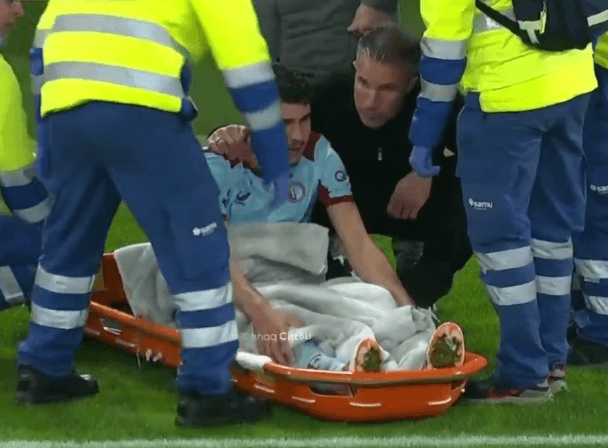
Robin van Persie Consoles Son After Career‑Ending Injury
Football legend Robin van Persie was captured in an emotional moment as he comforted his son following a career‑ending injury on the pitch, a scene that has since gone viral across social media platforms. The former Netherlands international, renowned for his successful spells at Arsenal, Manchester
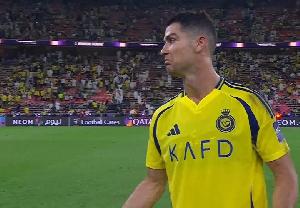
Claims Emerge That Cristiano Ronaldo Ended Ramadan Fast After Two Days
Fresh debate has emerged in the football world following claims that Cristiano Ronaldo stopped observing the Ramadan fast after only two days. The claim was made by former Al-Nassr player Shaye Sharahili, who disclosed that the Portuguese football icon initially joined the Muslim fasting tradition b

Mexico and US Armies Partner to Boost Security for 2026 World Cup
Authorities in Mexico and the United States have stepped up preparations for the 2026 FIFA World Cup by strengthening military cooperation aimed at enhancing security during the global event. The collaboration involves both countries’ armed forces working together to provide tactical support, specia