

Exchange Rate Stability Crucial To Cushioning Fuel Price Shocks NPA CEO Says
The Chief Executive Officer of the National Petroleum Authority has emphasised that stability in the exchange rate is essential for reducing the impact of fuel price shocks on consumers. Mr Mustapha Abdul Hamid said the cost of importing petroleum products is heavily influenced by changes in the val
Ogyem Solomon

The Chief Executive Officer of the National Petroleum Authority has emphasised that stability in the exchange rate is essential for reducing the impact of fuel price shocks on consumers.
Mr Mustapha Abdul Hamid said the cost of importing petroleum products is heavily influenced by changes in the value of the cedi against major global currencies. When the local currency weakens, the cost of buying fuel on the international market rises, often leading to higher prices at the pump.
According to the NPA boss, maintaining a stable exchange rate can help moderate fluctuations in petroleum costs and reduce sudden spikes that hurt motorists, transport operators and businesses. He stressed that efforts to strengthen the cedi would make it easier for importers to budget and plan without passing extreme price increases onto consumers.
Mr Abdul Hamid noted that fuel prices are affected by several factors, including global crude oil prices, shipping costs and exchange rate movements. Of these, he said the exchange rate is one of the most direct factors that can be managed through sound fiscal and monetary policies.
He urged policymakers and financial authorities to continue measures that support currency stability, saying this will not only help the energy sector but also contribute to broader economic resilience.
The NPA CEO also pointed out that unpredictable exchange rate swings make it difficult for petroleum marketers to forecast costs accurately, which in turn can delay adjustments in pump prices and create uncertainty in the market.
Mr Abdul Hamid called for collaboration between government ministries, the central bank and industry stakeholders to promote an environment where the exchange rate remains relatively stable. In his view, this would allow consumers to enjoy more predictable fuel pricing and reduce the frequency of disruptive price changes.
His comments come amid ongoing discussions about fuel pricing mechanisms and the need to balance global market realities with the economic wellbeing of households and businesses.
More Related Articles
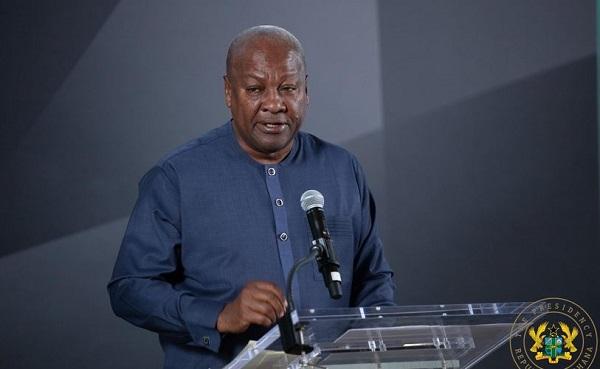
Cocoa Farmers Call on Mahama to Reform Entire COCOBOD, Not Just Remove CEO
The National Cocoa Farmers Association of Ghana (COFAG) has urged President John Dramani Mahama to implement comprehensive reforms at the Ghana Cocoa Board (COCOBOD), insisting that addressing challenges in the sector requires more than just the removal of its Chief Executive Officer. Cocoa farmers
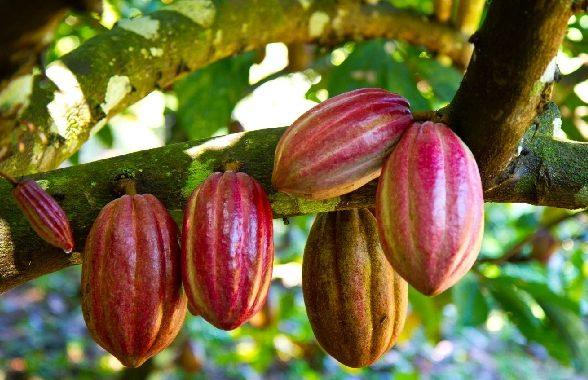
Buyers Turn Away from Ghana’s Cocoa as High Prices Hit Global Competitiveness – COCOBOD
The Cocoa Marketing Company (COCOBOD) has raised concerns that international buyers are increasingly shunning Ghana’s cocoa due to its high prices, making the country’s beans less competitive on the global market. According to COCOBOD officials, although Ghana is known worldwide for producing premiu

Burkina Faso bans tomato exports to boost local processing – Dr. Otokunor explains
The government of Burkina Faso has recently suspended all fresh tomato exports, a move aimed at strengthening its domestic agricultural processing industry. Dr. Peter Boamah Otokunor, Ghana’s Director of Presidential Initiatives in Agriculture and Agribusiness, explained the rationale behind the dec