

Drone Attack in Sudan’s Kordofan Claims Lives of Aid Workers
A tragic drone attack in the Kordofan region of Sudan has claimed the lives of three international aid workers and left four others injured, according to reports from humanitarian sources. The attack was carried out by the paramilitary group known as the Rapid Support Forces (RSF), amid ongoing clas
Ogyem Solomon
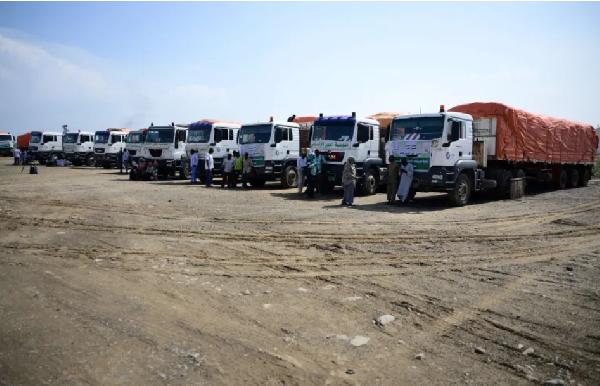
A tragic drone attack in the Kordofan region of Sudan has claimed the lives of three international aid workers and left four others injured, according to reports from humanitarian sources. The attack was carried out by the paramilitary group known as the Rapid Support Forces (RSF), amid ongoing clashes that have destabilized the country and put civilians at significant risk.
The victims were part of an international humanitarian mission operating in the region, providing vital aid including medical services, food, and other essentials to communities affected by conflict. The drone strike, which targeted the area where the aid workers were stationed, underscores the growing dangers faced by humanitarian personnel in active conflict zones.
Officials have described the attack as a severe violation of international humanitarian norms, noting that aid workers are protected under international law. The targeting of non-combatants not only threatens human life but also hampers critical relief efforts to populations already suffering from war, displacement, and food insecurity.
Reactions from global humanitarian organizations have been swift. Several agencies have condemned the attack and reiterated calls for the protection of aid workers operating in Sudan and other conflict-affected regions. They emphasized that ensuring the safety of humanitarian personnel is essential for delivering lifesaving assistance to vulnerable populations and for maintaining the credibility of international aid efforts.
The situation in Sudan remains highly volatile, with clashes between rival factions, including the RSF and other armed groups, escalating in recent months. Civilian populations have borne the brunt of the conflict, with thousands displaced, schools and hospitals disrupted, and communities struggling to access basic necessities. Incidents like the drone attack in Kordofan highlight the urgent need for international attention and action to protect civilians and those providing humanitarian support.
The families of the victims, along with international aid organizations, are calling for accountability and investigations into the circumstances surrounding the attack. Aid groups are also seeking enhanced security measures to prevent further loss of life among personnel delivering essential services in the region.
This latest attack serves as a stark reminder of the challenges faced by humanitarian workers operating in conflict zones and underscores the importance of international law in safeguarding civilians and non-combatants. As the crisis in Sudan continues, the protection of aid workers remains critical to ensuring that humanitarian support reaches those who need it most, despite the inherent risks posed by ongoing violence.
Source: Thepressradio.com
More Related Articles

C/R: Two Suspects Arrested for Illegal Wood Cutting
Security agencies have arrested two individuals in the Central Region for their alleged involvement in illegal wood cutting activities, as part of ongoing efforts to curb environmental crimes. According to police sources, the suspects were apprehended following intelligence gathered from residents w
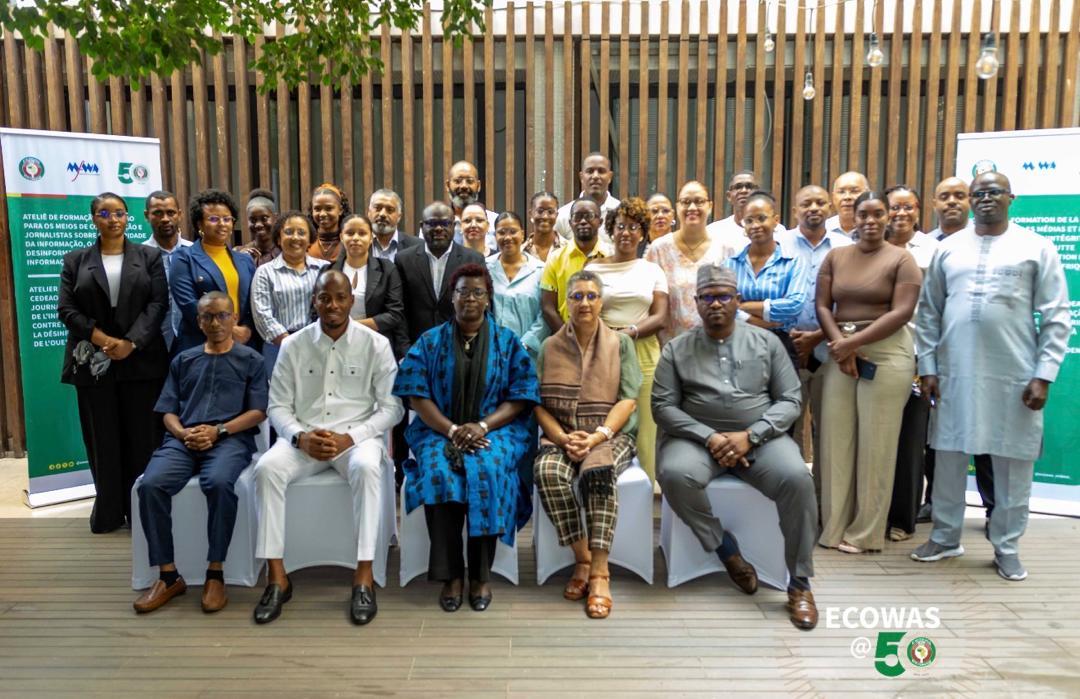
Securing Information Integrity and Countering Disinformation in West Africa Through Media Training
The Economic Community of West African States (ECOWAS) Commission, through its Directorate of Communication, has taken diverse measures to counter disinformation, while sustaining further an integrity in the information sphere in West African region. In late January 2026, it convened a two-day regio
Ghana Begins Boundary Pillar Construction Along Côte d’Ivoire Border
The Ghana Boundary Commission has announced that work will soon commence on boundary pillar construction along the Ghana–Côte d’Ivoire border, as part of ongoing efforts to strengthen border demarcation and ensure territorial clarity between the two countries. The initiative, which includes thorough