

Deadly Gas Explosion at Nigerian Lead Mine Claims Dozens of Lives
At least 38 miners have been confirmed dead following a devastating gas explosion at a lead mining site in Plateau State, central Nigeria, in what officials describe as one of the deadliest mining disasters in the region in recent years. The explosion occurred at an underground mining pit, triggerin
Ogyem Solomon
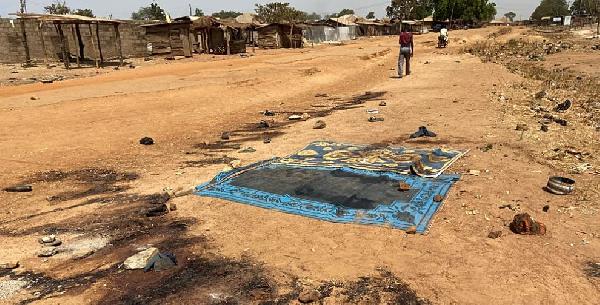
At least 38 miners have been confirmed dead following a devastating gas explosion at a lead mining site in Plateau State, central Nigeria, in what officials describe as one of the deadliest mining disasters in the region in recent years.
The explosion occurred at an underground mining pit, triggering a massive collapse that trapped dozens of workers beneath rocks, debris, and earth. Emergency response teams and local volunteers rushed to the scene shortly after the blast, launching rescue operations under extremely dangerous conditions. Survivors described scenes of panic, confusion, and desperation as miners attempted to escape the collapsing tunnels.
Local authorities confirmed that several others sustained serious injuries and were rushed to nearby medical facilities for treatment. Rescue workers said recovery efforts were made more difficult by unstable ground conditions and the risk of further gas build-ups and secondary collapses within the mine.
According to officials, the affected site operates within an area known for extensive mineral extraction, particularly lead, tin, and other metals. Plateau State has long been a hub for mining activities, attracting both licensed operators and informal small-scale miners seeking livelihoods in the sector. However, many of these operations lack proper safety infrastructure, increasing the risk of deadly accidents.
Although the exact cause of the explosion has not yet been officially confirmed, early reports suggest that accumulated underground gases, possibly methane or other volatile compounds, may have ignited, triggering the deadly blast. Experts say poor ventilation systems, inadequate monitoring of gas levels, and lack of modern safety equipment are common risks in artisanal and informal mining environments across parts of Africa.
Government officials have announced that a formal investigation will be launched to determine the precise cause of the incident. The probe is expected to assess whether safety protocols were followed, whether the mine was operating legally, and whether negligence or regulatory failures contributed to the tragedy.
Community leaders have expressed deep sorrow over the loss of life, describing the victims as breadwinners who supported families and dependents through mining work. Many families in the affected communities rely heavily on mining as a source of income due to limited employment opportunities, making the tragedy not only a humanitarian disaster but also an economic blow to the region.
Human rights groups and labour advocates have renewed calls for stronger regulation and enforcement in Nigeria’s mining sector, particularly in informal and small-scale operations. They argue that weak oversight, poor working conditions, and lack of safety training continue to expose workers to preventable dangers.
“This tragedy reflects a deeper structural problem in mining communities where economic desperation forces people into dangerous working environments without adequate protection,” one civil society advocate said. “Without serious reforms, these disasters will continue to happen.”
Plateau State authorities have pledged to improve monitoring of mining sites and strengthen safety inspections to prevent future incidents. However, critics argue that enforcement remains inconsistent and under-resourced, especially in remote areas where informal mining operations are widespread.
As rescue operations continue, emergency services and volunteer groups remain on the ground providing support to survivors and grieving families. Temporary shelters and medical assistance have been made available to those affected by the disaster, while community leaders organize relief efforts for victims’ families.
The gas blast has once again drawn national attention to the dangerous realities of mining work in Nigeria and the urgent need for reforms in occupational safety standards. For many observers, the tragedy is not just an accident, but a reflection of systemic challenges in regulation, poverty, and industrial oversight.
As investigations proceed, families of the victims continue to wait for answers, justice, and accountability, hoping that the lives lost will lead to meaningful change in mining safety policies and protections across the country.
Source: Thepressradio.com
More Related Articles
Police Raid Crime Hotspots in Enugu, Recover Firearm and Detain 15 Suspects
Security forces in Enugu State have intensified their crackdown on criminal activity following a coordinated operation that led to the detention of 15 suspects and the recovery of a firearm and suspected marijuana sativa. The operation was carried out by the Nigeria Police Force, targeting several l
7 Ghanaians Reportedly Killed in Burkina Faso Terror Attack
At least seven Ghanaian nationals have reportedly been killed in a violent terrorist attack in northern Burkina Faso, raising fresh concerns about the safety of civilians and cross-border traders operating within the Sahel region. The victims were said to be traders working in the town of Titao, a c

VIDEO: Robert Mugabe’s Son Arrested after Shooting an employee in South Africa
The son of former Zimbabwean president Robert Mugabe has been arrested following an alleged shooting at the family home in Hyde Park, Johannesburg. Authorities report that the incident involved the family’s gardener, who was shot after an apparent dispute at the residence. The victim has been rushed