

7 Ghanaians Reportedly Killed in Burkina Faso Terror Attack
At least seven Ghanaian nationals have reportedly been killed in a violent terrorist attack in northern Burkina Faso, raising fresh concerns about the safety of civilians and cross-border traders operating within the Sahel region. The victims were said to be traders working in the town of Titao, a c
Ogyem Solomon
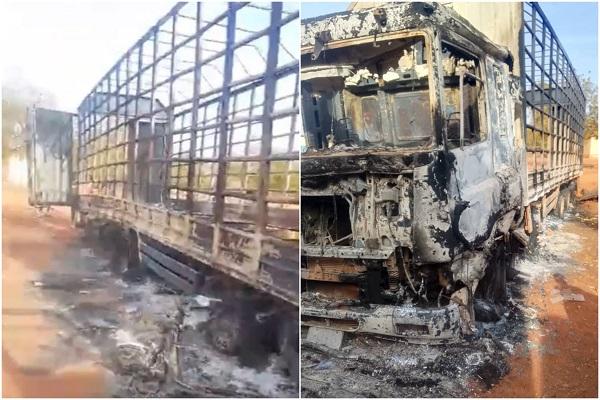
At least seven Ghanaian nationals have reportedly been killed in a violent terrorist attack in northern Burkina Faso, raising fresh concerns about the safety of civilians and cross-border traders operating within the Sahel region.
The victims were said to be traders working in the town of Titao, a commercial area in northern Burkina Faso that serves as a key trading hub for local and cross-border merchants. According to reports, armed attackers stormed the area and targeted civilians, leading to multiple fatalities, including the Ghanaian nationals.
The attack is believed to be linked to extremist groups that have been operating across parts of Burkina Faso and the wider Sahel region in recent years. These groups have increasingly targeted civilians, traders, transport routes, and rural communities, making everyday economic activities highly dangerous for people living and working in the region.
Sources indicate that the deceased Ghanaians were part of a trading community that regularly travels between Ghana and Burkina Faso for business purposes. Cross-border trade is common in West Africa, particularly among informal traders who deal in agricultural produce, food items, clothing, and household goods. Many of these traders rely on daily movement across borders for survival, often without formal protection or security arrangements.
Eyewitnesses in the area reportedly described the attack as sudden and terrifying, causing widespread panic. Many residents and traders fled the town immediately after the incident, abandoning shops and goods in fear of further violence. Commercial activities in the area were brought to a standstill as communities struggled to cope with the shock and trauma of the attack.
The incident has triggered fear and anxiety among families in Ghana who have relatives living, working, or trading in neighboring countries. Northern parts of Burkina Faso, Mali, and Niger have increasingly become hotspots for violent extremist activities, making cross-border movement more dangerous than ever before.
Security experts have long warned that the instability in the Sahel region continues to worsen due to weak border controls, poverty, limited state presence in rural areas, and the easy movement of armed groups across national boundaries. These conditions have created an environment where civilians, especially traders and farmers, are exposed to constant risks.
Although no detailed official statement has yet been issued by Ghanaian authorities regarding the identities of the victims, diplomatic and consular engagements are expected to begin to confirm the reports and support affected families. Ghana’s foreign missions and relevant security agencies may also work with Burkinabè authorities to gather more information on the circumstances surrounding the attack.
The tragedy has renewed calls for stronger regional cooperation among West African countries in the areas of security intelligence sharing, border protection, and coordinated counterterrorism strategies. Analysts argue that without collective action, extremist groups will continue to exploit weak governance structures and vulnerable communities.
Beyond the security implications, the attack also highlights the human cost of regional instability. Families have been thrown into mourning, livelihoods have been destroyed, and communities have been displaced. For many traders, cross-border business is not a choice but a necessity for survival, making the risks even more devastating.
As investigations continue, relatives of the victims and members of the Ghanaian trading community abroad are calling for improved safety measures, better protection for civilians, and stronger government intervention to secure high-risk trading corridors. The attack stands as another painful reminder of the growing threat of terrorism in West Africa and the urgent need for long-term regional solutions.
The Government of Ghana just confirmed the news. According to my information, seven (07) Ghanaians were killed. https://t.co/bWOoYBA5Zt pic.twitter.com/DHEott1qZc
— Alhaji Gbangbanku (@EliasuAlhaji) February 15, 2026
Source: Thepressradio.com
More Related Articles
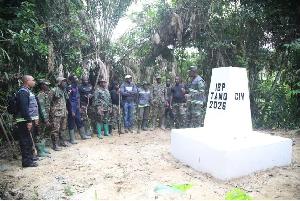
Ghana Begins Boundary Pillar Construction Along Côte d’Ivoire Border
The Ghana Boundary Commission has announced that work will soon commence on boundary pillar construction along the Ghana–Côte d’Ivoire border, as part of ongoing efforts to strengthen border demarcation and ensure territorial clarity between the two countries. The initiative, which includes thorough
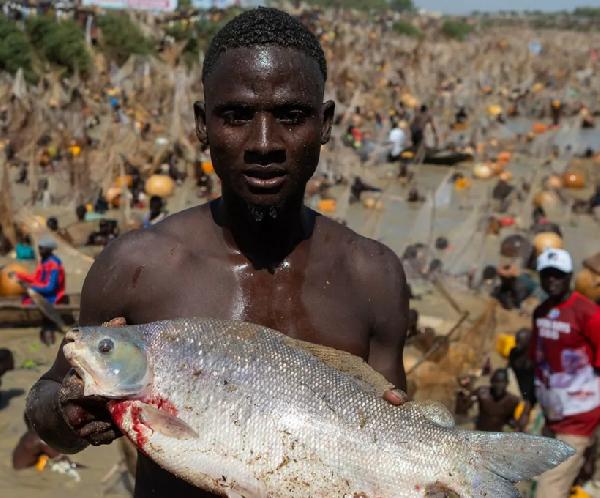
Catch of the Day: Nigerian Fishing Festival Draws Thousands in Celebration of Culture and Tradition
A vibrant traditional fishing festival in northern Nigeria has drawn tens of thousands of fishermen and spectators, turning the riverside into a spectacular scene of culture, competition, and celebration. Armed with nets, baskets, and traditional fishing tools, participants gathered in large numbers
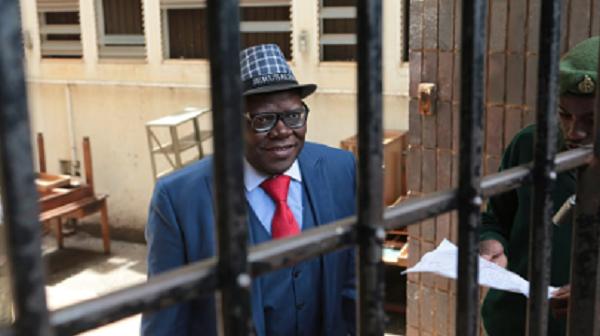
Zimbabwe Opposition Leader Granted Bail Amid Political Tensions
A court in Zimbabwe has granted bail to prominent opposition figure Tendai Biti following his recent arrest, in a case that has drawn attention amid growing political tensions in the country. Biti, a former finance minister and a senior member of the opposition, was arrested in the eastern city of M