

Catch of the Day: Nigerian Fishing Festival Draws Thousands in Celebration of Culture and Tradition
A vibrant traditional fishing festival in northern Nigeria has drawn tens of thousands of fishermen and spectators, turning the riverside into a spectacular scene of culture, competition, and celebration. Armed with nets, baskets, and traditional fishing tools, participants gathered in large numbers
Ogyem Solomon
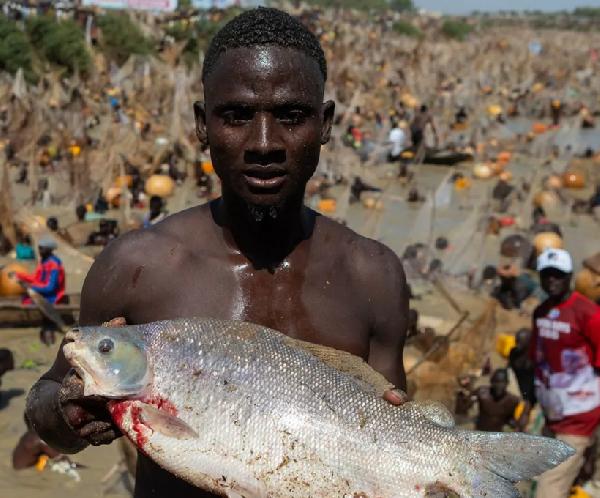
A vibrant traditional fishing festival in northern Nigeria has drawn tens of thousands of fishermen and spectators, turning the riverside into a spectacular scene of culture, competition, and celebration. Armed with nets, baskets, and traditional fishing tools, participants gathered in large numbers to take part in one of the region’s most iconic cultural events.
The annual festival, popularly known for showcasing the richness of Nigeria’s fishing heritage, is more than just a competition for the biggest catch. It represents a deep-rooted cultural tradition that connects communities to their environment, history, and livelihoods. For generations, fishing has been a primary source of food and income for many northern Nigerian communities, and the festival serves as a symbolic celebration of this way of life.
At the heart of the event is a friendly but intense fishing competition, where thousands of fishermen enter designated waters simultaneously in a dramatic display of energy and unity. Within minutes, the river becomes alive with movement as participants race to secure the largest and most valuable catch. The atmosphere is filled with excitement, cheers, and cultural performances, creating a festival experience that blends sport, tradition, and community spirit.
Beyond the spectacle, the festival plays an important economic role in the region. Local traders, food vendors, artisans, and transport operators benefit from the influx of visitors, creating a temporary boost in economic activity. Fresh fish sales, cultural crafts, and local delicacies become major attractions, turning the festival into a marketplace of opportunity for small businesses.
The event also serves as a platform for cultural preservation. Traditional music, dances, costumes, and rituals are performed, offering younger generations a chance to learn and connect with their heritage. Elders use the occasion to pass down stories, customs, and values, ensuring that cultural identity is preserved despite modern influences and changing lifestyles.
Tourism stakeholders see the fishing festival as a powerful cultural asset that has the potential to attract regional and international visitors. With proper promotion and support, such festivals could play a major role in boosting cultural tourism in Nigeria and across West Africa. The combination of tradition, community participation, and visual spectacle makes the festival a unique attraction for cultural enthusiasts and travelers.
For participants, the festival is not just about winning or competition—it is about pride, identity, and belonging. It strengthens community bonds, fosters unity, and reinforces the importance of cooperation and shared heritage. The large turnout of fishermen reflects the deep respect for tradition and the enduring relevance of fishing in community life.
As thousands gather each year to celebrate this tradition, the Nigerian fishing festival continues to stand as a powerful symbol of culture, resilience, and communal harmony. It is a reminder that cultural heritage remains a vital force in shaping identity, supporting livelihoods, and uniting communities across generations.
Source: Thepressradio.com
More Related Articles

10 African Countries with the Highest IMF Debt at the Start of 2026
As African economies continue to face financial pressures, several nations are relying heavily on the International Monetary Fund (IMF) for economic support at the beginning of 2026. A recent report highlights the top 10 African countries with the largest outstanding IMF debt, reflecting both the co

Zimbabwe Opposition Leader Granted Bail Amid Political Tensions
A court in Zimbabwe has granted bail to prominent opposition figure Tendai Biti following his recent arrest, in a case that has drawn attention amid growing political tensions in the country. Biti, a former finance minister and a senior member of the opposition, was arrested in the eastern city of M

Bobi Wine Placed Under House Arrest Following Uganda’s General Election
Ugandan opposition leader Robert Kyagulanyi Ssentamu, popularly known as Bobi Wine, has been placed under house arrest in the aftermath of Uganda’s recent general election, according to reports from local sources and eyewitnesses. The development occurred shortly after voting concluded, at a time wh