
Bobi Wine Placed Under House Arrest Following Uganda’s General Election
Ugandan opposition leader Robert Kyagulanyi Ssentamu, popularly known as Bobi Wine, has been placed under house arrest in the aftermath of Uganda’s recent general election, according to reports from local sources and eyewitnesses. The development occurred shortly after voting concluded, at a time wh
Ogyem Solomon
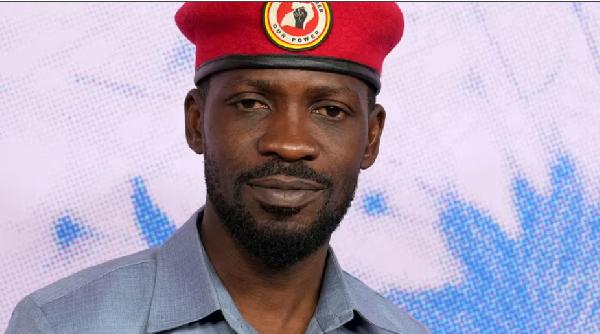
Ugandan opposition leader Robert Kyagulanyi Ssentamu, popularly known as Bobi Wine, has been placed under house arrest in the aftermath of Uganda’s recent general election, according to reports from local sources and eyewitnesses.
The development occurred shortly after voting concluded, at a time when political tensions across the country remain high. Early election results indicated that long-serving President Yoweri Museveni was on course to retain power, a situation that sparked concern and protest among opposition supporters.
Bobi Wine, a former musician turned politician, has been one of President Museveni’s strongest challengers and a vocal critic of the government. Reports indicate that security personnel surrounded his residence in Kampala, effectively restricting his movement and preventing visitors from accessing the premises.
The opposition leader and his supporters have raised concerns about the credibility of the electoral process, alleging irregularities and calling for transparency in the counting and declaration of results. The house arrest has therefore intensified debate about political freedoms and democratic practices in Uganda.
Government officials have defended the action, insisting that the security measures are necessary to preserve public order and prevent violence during the tense post-election period. However, critics argue that placing a key opposition figure under house arrest risks escalating tensions rather than calming them.
The situation has drawn reactions from civil society groups and international observers, who have urged Ugandan authorities to respect human rights and allow peaceful political expression. Some foreign governments and diplomatic missions have also indicated they are closely monitoring developments in the country.
In the days leading up to the election, Uganda experienced heightened political activity, with reports of clashes between security forces and opposition supporters in certain areas. The post-election environment has remained fragile, prompting calls for dialogue and restraint from all political actors.
As of now, there is no clear indication of how long the restrictions on Bobi Wine will remain in place. Supporters continue to call for his release, while the government maintains that security considerations remain paramount.
The unfolding situation underscores ongoing concerns about democratic governance and political space in Uganda, particularly during election periods. Observers say how authorities handle the post-election phase could have lasting implications for the country’s political stability and international image.
Source: Thepressradio.com
More Related Articles
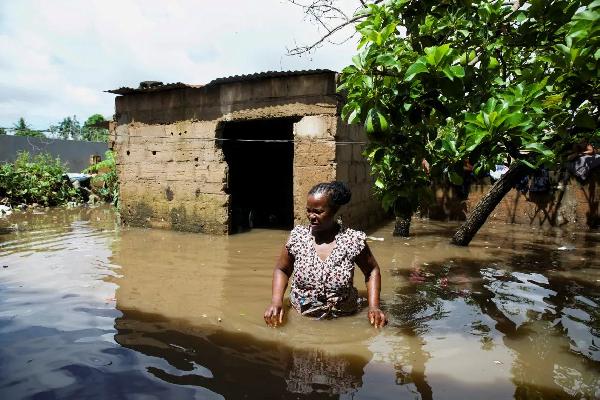
Over 640,000 People Displaced as Mozambique Faces Catastrophic Flooding
Mozambique is grappling with a humanitarian crisis after severe floods displaced more than 640,000 people, causing widespread devastation across the country. The floods, triggered by heavy rains and cyclonic activity in recent weeks, have swept through several provinces, leaving communities struggli
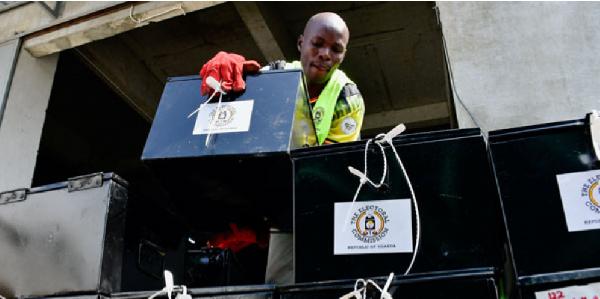
Uganda’s Presidential Election Challenged at Regional Court
Uganda’s recent presidential election is now the subject of a legal challenge at a regional level, as concerns over the conduct of the poll continue to generate debate. A petition has been filed at the East African Court of Justice, seeking a review of the electoral process and its compliance with r
Nigerian Man Accused of Impersonating Dubai Crown Prince to Defraud Woman of $2.5 Million
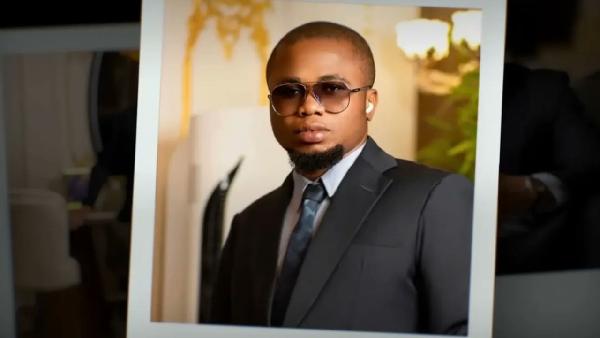
A Nigerian socialite, Nzube Henry Ikeji, has been accused of orchestrating a sophisticated scam in which he allegedly impersonated the Crown Prince of Dubai, defrauding a Romanian businesswoman of $2.5 million over several years. Investigations by the Organised Crime and Corruption Reporting Project