

Cape Town Prepares for Army Deployment as Police Target Gang Strongholds
Cape Town is set to receive support from the South African National Defence Force (SANDF) as authorities intensify efforts to curb escalating gang violence across the city. The deployment, announced following President Cyril Ramaphosa’s recent State of the Nation Address, comes as police launch coor
Ogyem Solomon
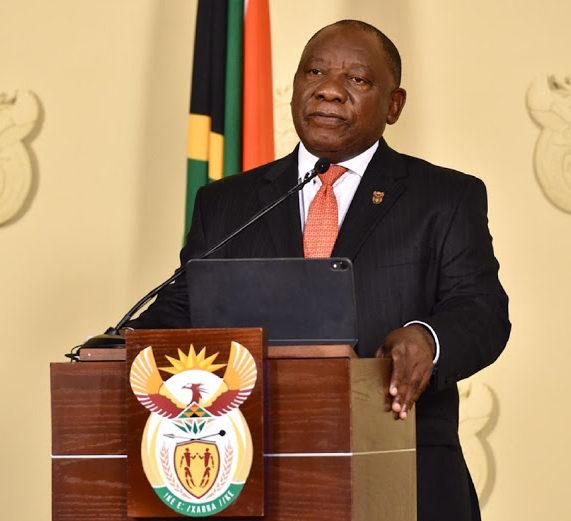
Cape Town is set to receive support from the South African National Defence Force (SANDF) as authorities intensify efforts to curb escalating gang violence across the city. The deployment, announced following President Cyril Ramaphosa’s recent State of the Nation Address, comes as police launch coordinated raids on notorious gang-controlled areas, particularly in the Cape Flats, where criminal activity has long undermined community safety.
The collaboration between the military and police aims to stabilise high-risk neighbourhoods and disrupt organised crime networks that have contributed to violent crime, extortion, and illegal activities over the years. Police officials confirmed that planning for the SANDF’s involvement is underway, with emphasis on careful coordination to maximise operational effectiveness while minimising risks to civilians.
Police Commissioner Thembisile Patekile stressed that the military’s role is supportive, not a permanent replacement for law enforcement. “The SANDF will assist in creating a safer environment for our officers to operate while we continue to strengthen long-term policing strategies,” she said. The deployment is part of a broader initiative to enhance community security and restore public confidence in law enforcement.
Recent raids on gang strongholds have targeted areas known for high levels of organised criminal activity. Authorities have seized weapons, disrupted illegal operations, and arrested several individuals connected to gang networks. These operations are designed to weaken the control gangs exert over local communities, which has historically fostered fear and limited economic opportunities in affected areas.
President Ramaphosa described gang violence as a “serious threat to public safety, state authority, and economic development.” He emphasised that the deployment will be closely coordinated with the South African Police Service (SAPS), combining intelligence-led operations with the strategic presence of military personnel to tackle organised crime effectively.
While the announcement has been welcomed by some civic groups, it has also prompted calls for caution. Organisations such as the Cape Flats Safety Forum and local community leaders have stressed that the military intervention must complement, rather than replace, skilled police work. They argue that sustainable crime reduction requires strengthened investigative capabilities, consistent prosecution, and social interventions addressing the root causes of gang activity.
Cape Town Mayor Geordin Hill‑Lewis echoed these concerns, describing the army deployment as a short-term stabilisation measure. He highlighted the need for long-term solutions, including increased policing capacity, effective legal follow-through for arrested criminals, and targeted community development programs.
Western Cape Premier Alan Winde also emphasised that while the SANDF’s involvement is necessary, structural improvements within police services are essential to ensure long-term public safety. He called for better-resourced police stations, enhanced municipal law enforcement, and social programmes to reduce the appeal of gang membership among youth.
As preparations continue, residents across Cape Town remain anxious yet hopeful that the combined efforts of the police and military will bring tangible improvements in security. Officials emphasise that the fight against gang violence requires both immediate action and sustained commitment, blending enforcement with social and economic initiatives to create lasting change.
In conclusion, the planned SANDF deployment highlights the severity of Cape Town’s gang violence problem and the need for coordinated interventions. By working closely with the police, the military aims to stabilise critical areas while authorities implement long-term strategies to restore safety, uphold the rule of law, and rebuild community trust.
Source: Thepressradio.com
More Related Articles
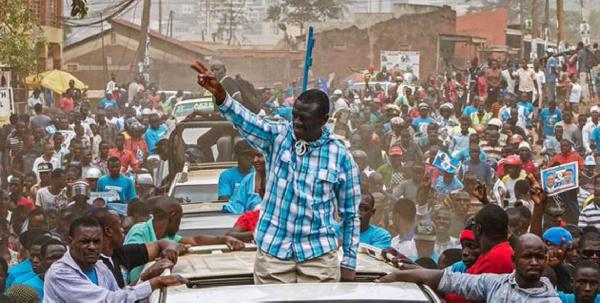
Kizza Besigye: From Museveni’s Doctor to Uganda’s Leading Opposition Voice
Dr. Warren Kizza Besigye Kifefe is one of Uganda’s most prominent political figures, widely known for his transition from a trusted physician of President Yoweri Museveni to the country’s most persistent opposition leader. His journey from medicine to politics has made him a symbol of resistance and
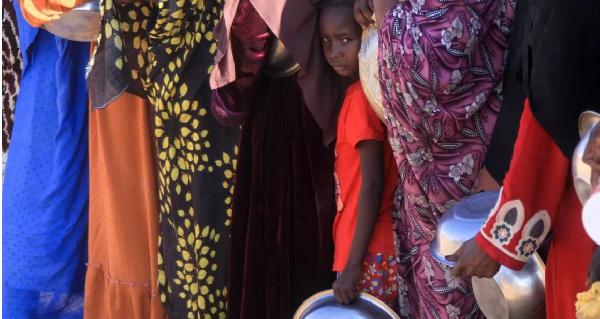
UN Reports 6,000 Civilians Killed in Sudan Over Three Days Amid Ongoing Conflict
The United Nations (UN) has reported that at least 6,000 civilians were killed within just three days during the ongoing conflict in Sudan, highlighting the devastating human toll of the crisis. According to the UN, the violence has involved mass killings, summary executions, torture, abductions, an
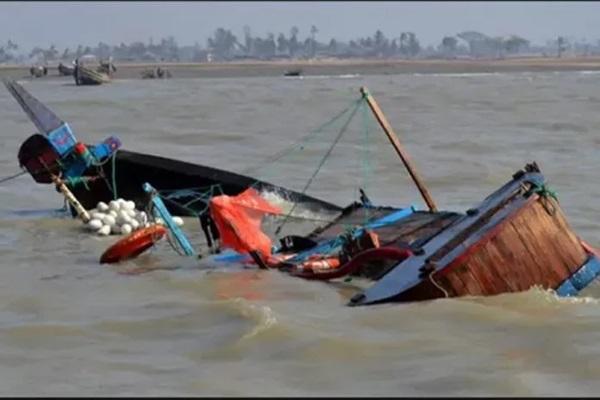
Migrant Boat Capsizes Off Libya, 53 Dead or Missing Including Two Babies
At least 53 people are reported dead or missing after a rubber boat carrying migrants capsized off the coast of Libya, underscoring the ongoing dangers faced by those attempting to cross the Mediterranean Sea in search of safety, opportunity, or a better life. Among the victims are two babies, highl