

Kizza Besigye: From Museveni’s Doctor to Uganda’s Leading Opposition Voice
Dr. Warren Kizza Besigye Kifefe is one of Uganda’s most prominent political figures, widely known for his transition from a trusted physician of President Yoweri Museveni to the country’s most persistent opposition leader. His journey from medicine to politics has made him a symbol of resistance and
Ogyem Solomon
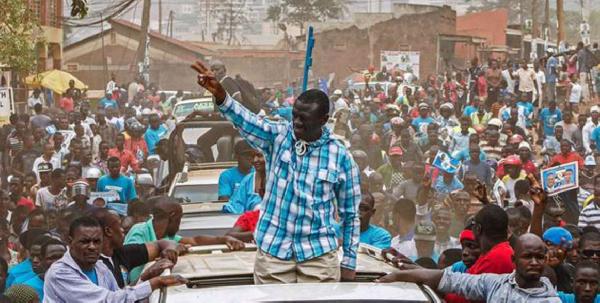
Dr. Warren Kizza Besigye Kifefe is one of Uganda’s most prominent political figures, widely known for his transition from a trusted physician of President Yoweri Museveni to the country’s most persistent opposition leader. His journey from medicine to politics has made him a symbol of resistance and democratic advocacy in Uganda.
Born on 22 April 1956 in Rukungiri, southwestern Uganda, Besigye studied medicine at Makerere University, graduating in 1980. Early in his career, he practiced medicine locally and in Kenya before joining the National Resistance Army (NRA) in 1982, a rebel movement led by Museveni. During the Ugandan Bush War, he served as a battlefield physician, tending to wounded fighters and gaining a position of trust within the movement.
Following the NRA’s victory in 1986, Museveni became president and Besigye took on several key government roles, including Minister of State for Internal Affairs, Minister in the President’s Office, and National Political Commissar, while also holding the rank of colonel in the military. His early proximity to power and close relationship with Museveni positioned him as a key figure in the new government.
Despite their early alliance, tensions emerged during the 1990s as Besigye grew increasingly critical of the government’s direction, citing concerns over corruption, authoritarianism, and deviation from the NRA’s founding principles. His growing dissatisfaction eventually led him to resign from government and become a central figure in Uganda’s opposition politics.
Besigye became the leader of the Forum for Democratic Change (FDC), Uganda’s main opposition party, and challenged Museveni in multiple presidential elections: 2001, 2006, 2011, and 2016. While he lost each time, Besigye consistently accused the government of electoral fraud and irregularities, earning him both admiration and controversy. His campaigns have focused on promoting democratic governance, accountability, and respect for civil liberties.
Over the years, Besigye has faced repeated arrests, detentions, and charges often viewed by observers as politically motivated attempts to suppress dissent. In late 2024, he was detained on treason charges after being forcibly returned to Uganda from Kenya. His case, initially handled in a military court, was later moved to a civilian jurisdiction following legal challenges, drawing attention from both local and international human rights organizations.
Despite these challenges, Besigye remains a powerful symbol of opposition in Uganda. His resilience and vocal advocacy for democratic reform have made him a reference point for Ugandans seeking change, while also positioning him as a polarizing figure for the government and its supporters.
Kizza Besigye’s story from doctor and trusted advisor to one of the country’s most formidable political challengers reflects the complex interplay between personal conviction, public service, and political opposition. His life continues to inspire debates on leadership, governance, and democracy in Uganda.
Source: Thepressradio.com
More Related Articles
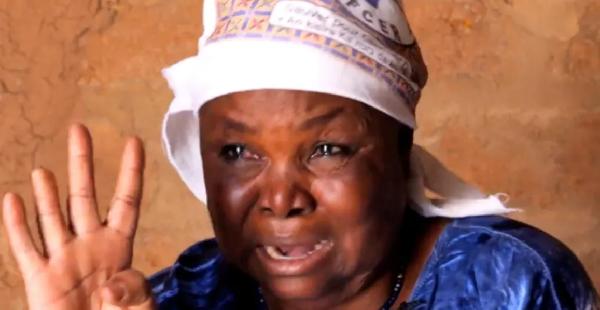
Woman Becomes Symbol of Resilience After Losing Sons to Jihadist Attacks
In the Sahel region of West Africa, where violence from extremist groups has uprooted communities and claimed countless lives, one woman’s story of courage has captured attention. Yameogo Aminata, a 57-year-old from Burkina Faso, has lost four of her sons to attacks carried out by jihadist fighters.

Tripoli Set to Host Libya’s Premier Energy and Economic Summit
With just days to go, the Libya Energy & Economic Summit (LEES) 2026 is positioning Tripoli as a strategic hub for high-impact energy, infrastructure, and investment partnerships, as the country intensifies efforts to drive economic recovery and production growth. Tripoli, Libya – 19 January 202
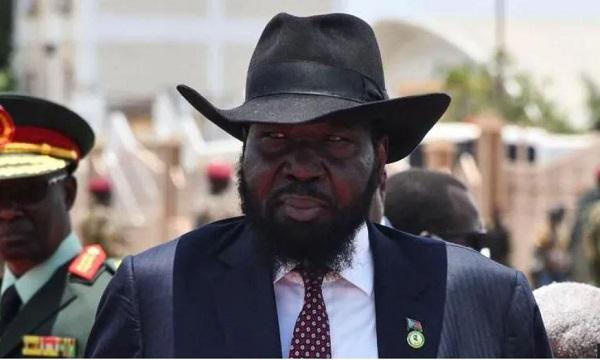
South Sudan President Dismisses Aides After Deceased Official Appointed
South Sudan’s President Salva Kiir has taken swift action following a bizarre administrative error that saw a deceased individual accidentally appointed to a government position. The incident prompted the President to dismiss two of his senior aides, highlighting the administration’s effort to enfor