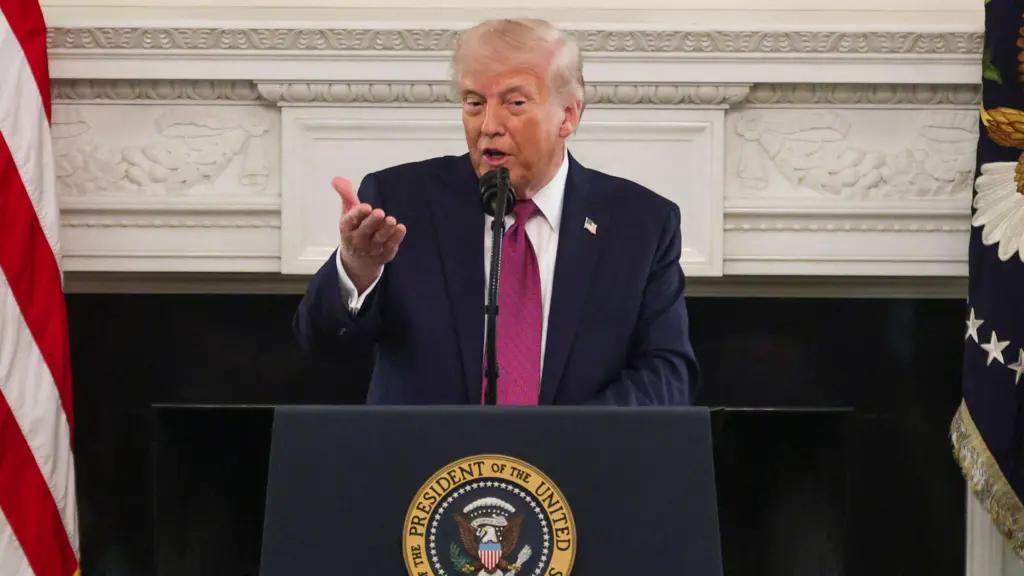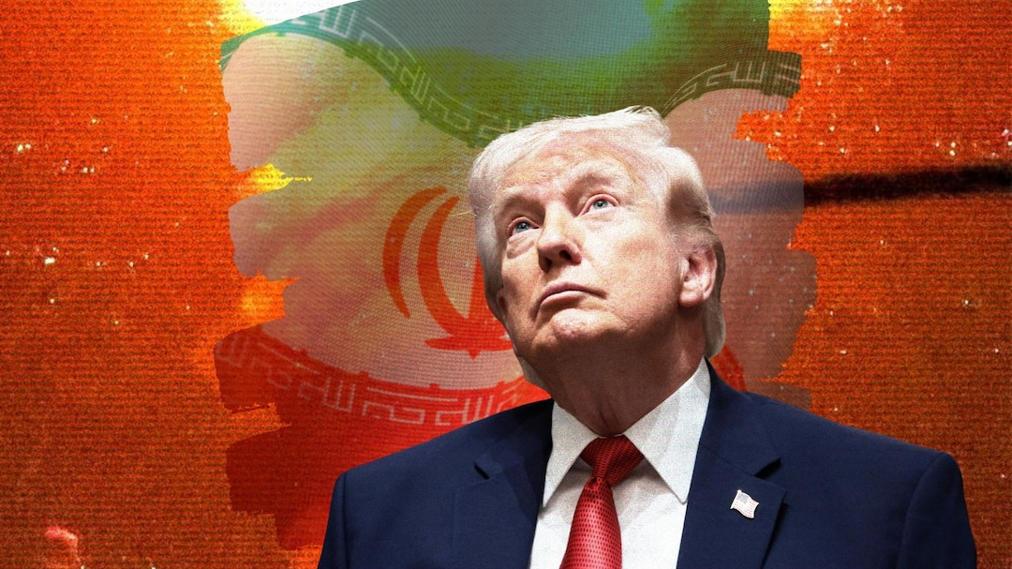

President Donald Trump has said he will extend the ceasefire between the United States and Iran until negotiations between the two sides are completed.
The current ceasefire was originally agreed on 8 April as a conditional two-week arrangement. It was scheduled to expire on Wednesday, but Trump’s latest statement signals more time for diplomacy.
One of the central conditions of the agreement involved the Strait of Hormuz, one of the world’s most important shipping lanes for oil and other exports from the Gulf region. Trump said the ceasefire depended on Tehran reopening the strategic waterway.
Iran accepted the condition and allowed vessels to pass through the Strait of Hormuz for two weeks. During that period, the movement of ships was coordinated by the Iranian military, according to reports.
The temporary truce was seen as an attempt to lower tensions after a period of escalating confrontation between Washington and Tehran. However, efforts to secure a broader agreement faced difficulties.
US Vice President JD Vance travelled to Pakistan for peace discussions linked to the crisis. Despite several hours of negotiations, no breakthrough was reached, and he later returned to Washington without a final deal.
Following the unsuccessful talks, the United States increased pressure on Iran by imposing a naval blockade. US officials also stepped up economic measures, including warnings of secondary sanctions against foreign banks that continue dealings linked to Tehran.
Alongside the US-Iran ceasefire, another related truce was announced in the region involving Israel and Lebanon, where the Iran-backed group Hezbollah is based.
Trump announced a 10-day ceasefire between Israel and Lebanon on 16 April. The development was significant because it followed the first direct talks between the two countries since 1993.
Iran’s foreign minister later said that, in line with the ceasefire in Lebanon, the Strait of Hormuz had been declared fully open. However, Tehran reportedly closed the waterway again the next day after the United States did not lift its naval blockade.
The terms of the Israel-Lebanon agreement reportedly allow Israel to take all necessary self-defence measures at any time against planned, imminent or ongoing attacks.
The deal also requires Lebanon to take meaningful action to prevent Hezbollah and other armed non-state groups from launching attacks against Israeli targets.
Trump’s decision to extend the ceasefire with Iran suggests the White House still hopes diplomacy can produce a lasting settlement. At the same time, continued military and economic pressure shows that tensions in the region remain unresolved.
With talks ongoing, global markets and regional allies are closely watching developments, particularly any future changes involving the Strait of Hormuz, which remains critical to international energy supplies.
Source: Thepressradio.com