

Africa Struggles Between Import Substitution and Persistent Economic Dependency
Many African countries continue to grapple with a long-standing economic dilemma: balancing the push for import substitution with ongoing dependence on foreign goods. Despite repeated policy efforts aimed at boosting local production, the continent still spends billions of dollars each year importin
Ogyem Solomon
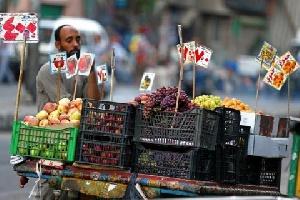
Many African countries continue to grapple with a long-standing economic dilemma: balancing the push for import substitution with ongoing dependence on foreign goods. Despite repeated policy efforts aimed at boosting local production, the continent still spends billions of dollars each year importing basic food items, manufactured products, and industrial inputs.
Economic analysts note that this dependency exposes African economies to global price fluctuations, supply chain disruptions, and foreign exchange pressures. Rising import bills have also contributed to trade imbalances, currency depreciation, and inflation in several countries, making the issue a growing concern for policymakers.
Import substitution industrialisation (ISI) — a strategy that promotes domestic production of goods previously imported — has often been presented as a solution. However, its implementation across Africa has faced significant obstacles. Weak infrastructure, high production costs, limited access to finance, and inconsistent policy frameworks have prevented many local industries from competing effectively with cheaper imported alternatives.
In several countries, manufacturers struggle with unreliable power supply, poor transportation networks, and high interest rates, all of which raise the cost of doing business. As a result, locally produced goods are often more expensive than imports, discouraging consumers and businesses from buying domestic products.
At the same time, continued reliance on imports has slowed the development of local value chains and reduced opportunities for job creation. Analysts argue that Africa’s dependence on external markets undermines industrial growth and limits the continent’s ability to achieve sustainable economic transformation.
Experts suggest that resolving this challenge requires a strategic and balanced approach rather than an abrupt shift away from imports. They emphasize the need for targeted industrial policies that support sectors where African countries have a comparative advantage, such as agro-processing, light manufacturing, and value-added exports.
Investment in infrastructure, skills development, and access to affordable financing is seen as critical to strengthening local industries. In addition, stable and predictable government policies are necessary to build investor confidence and encourage long-term commitment to domestic manufacturing.
Regional cooperation is also highlighted as a key solution. By leveraging regional trade frameworks such as the African Continental Free Trade Area (AfCFTA), countries can expand markets for locally produced goods, reduce duplication of industries, and benefit from economies of scale. Stronger regional integration could help African producers compete more effectively both within the continent and globally.
While import substitution remains an important policy objective, analysts caution that it must be pursued realistically and sustainably. Rather than attempting to produce everything domestically, African economies are encouraged to focus on strategic sectors that can drive growth, employment, and resilience.
Ultimately, addressing Africa’s economic dependency will require coordinated efforts from governments, the private sector, and regional institutions. By strengthening local production capacities while maintaining strategic trade partnerships, the continent can move closer to achieving economic independence and long-term stability.
Source: Thepressradio.com
More Related Articles

Church Challenges Government Over Free Education Policy in Uganda
A church body in Uganda has publicly raised concerns about the government’s free education policy, arguing that its implementation limits parental involvement and may undermine the quality of education. The Ankole Diocese is leading the challenge, calling for a review of how the policy affects famil

Armed Group Kills 33 in Fresh Attacks in Northwest Nigeria
At least 33 people have been killed in a series of coordinated attacks carried out by an armed militant group in northwest Nigeria, according to local reports. The assaults, which occurred simultaneously across multiple locations in the district, have heightened fears among residents and drawn conde

Saif al‑Islam Gaddafi Reportedly Killed Amid Libya’s Ongoing Instability
Reports emerging from Libya indicate that Saif al‑Islam Gaddafi, son of the late Libyan leader Muammar Gaddafi, has been shot dead, according to sources yet to be officially confirmed. Saif al‑Islam, 53, was a prominent figure in Libyan politics and often regarded as one of the country’s most high-p