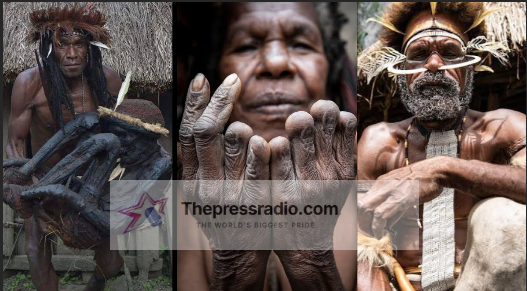
Deep in the remote highlands of Papua, two Indigenous cultures continue to attract attention for their extraordinary traditions surrounding death and the preservation of ancestral remains. The Dani people of Indonesian Papua and the Anga communities of Papua New Guinea are associated with traditional human mummification practices that reflect their beliefs about ancestry, identity and the spiritual connection between the living and the dead.
Far from major cities, these communities have maintained cultural practices shaped by generations of history, local beliefs and relationships with their ancestral lands. In some communities, the preserved bodies of respected leaders, warriors and ancestors remain important symbols of heritage and continuity.
Unlike the familiar image of ancient Egyptian mummification, which involved elaborate embalming methods, some traditional preservation techniques in Papua have relied on smoke, heat and drying. These methods helped preserve the bodies of individuals whose lives and leadership held special significance within their communities.
Among the Dani, particularly in the Baliem Valley of Indonesian Papua, ancestral mummies have been associated with important figures in tribal history. Some are carefully protected within their communities and may be presented during significant cultural occasions. Their significance extends beyond the physical remains, representing leadership, family history, collective identity and respect for previous generations.
Across the border in Papua New Guinea, certain Anga communities became known for preserving the bodies of respected members through smoking and placing them in elevated locations, including cliffside sites overlooking settlements. These practices have attracted interest from anthropologists, historians and travellers seeking to understand the diverse ways human societies approach death and remembrance.
For communities that maintain these traditions, the preservation of an ancestor can carry meanings that differ considerably from the burial practices common in other parts of the world. The relationship between the living and the dead may remain visible through ceremonial practices, stories and the continued care of ancestral remains.
However, these traditions exist in a rapidly changing world. Christianity, other religious influences, modernization, government policies and changing community values have affected how Indigenous groups understand and maintain older customs. Questions about whether such practices will continue into future generations have become part of broader discussions about cultural preservation and Indigenous identity.
Reaching some of these communities can also be challenging. Papua’s mountainous terrain, dense tropical forests and limited transport infrastructure make travel difficult in certain areas. Visitors may need local guides, careful logistical planning and permission to enter particular communities or view culturally significant remains.
Security concerns add another layer of complexity in parts of Indonesian Papua, where armed conflict between Indonesian security forces and Papuan independence fighters has continued for years. The conflict is linked to longstanding disputes over political control, self-determination, Indigenous rights and land.
Papua is also exceptionally rich in natural resources, including gold, copper, oil and natural gas. Resource extraction has contributed to disputes over land ownership, environmental impacts and the distribution of economic benefits. Indigenous communities have raised concerns about the effects of development on their ancestral territories and traditional ways of life.
These political and economic issues form part of the wider context in which many Papuan communities seek to protect their cultural identity. Nevertheless, conditions differ across the island, and the security situation in one area should not be assumed to reflect the circumstances of every community.
The traditions surrounding ancestral mummification offer an opportunity to examine broader questions about humanity’s understanding of death. Why do some societies preserve the physical remains of their ancestors rather than bury them? How do spiritual beliefs influence funeral customs? And what happens when traditional practices encounter changing religious beliefs and modern laws?
Exploring these questions requires more than curiosity about preserved bodies. It also requires respect for the people whose ancestors are involved and an understanding that cultural practices should not be separated from their historical and spiritual meanings.
The preservation of human remains in Papua provides a window into the relationship between memory, ancestry and community. It also highlights the importance of documenting Indigenous traditions responsibly, particularly as cultural change and outside pressures reshape life in remote regions.
Ultimately, the stories of the Dani and Anga communities are about more than mummification. They concern identity, spirituality, history and the continuing effort to preserve cultural knowledge in a changing world.
Any documentary examining these traditions should present preserved human remains within their historical, anthropological and cultural context, respecting the dignity of the deceased and the wishes of the communities connected to them.
Watch the video below:
Source: Thepressradio.com