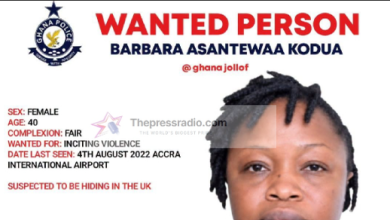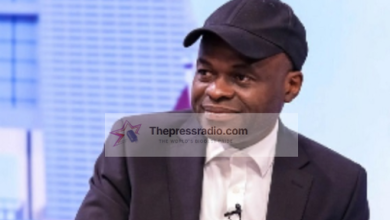

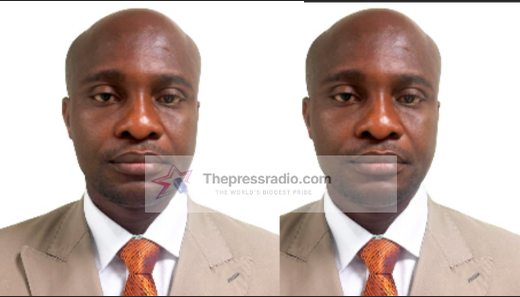
Member of Parliament for Akwatia, Bernard Bediako Baidoo, has explained why the legal case involving TikToker Barbara Asantewaa Kodua, popularly known as “Ghana Jollof,” should not be described as a treason case.
His comments come amid public discussion surrounding the police investigation into content allegedly published and circulated by Kodua and the subsequent arrest and remand of a nurse accused of assisting in the dissemination of the material.
According to reports, the case centres on allegations involving the publication and circulation of false news and content considered capable of causing public disorder. Police have also declared Kodua wanted and indicated that she may be in the United Kingdom.
Baidoo’s explanation focuses on the specific offences being investigated rather than characterising the matter as an attempt to overthrow the constitutional order.
The development follows the remand of 40-year-old nurse Salomey Awiti Bafoh, who has been accused of allegedly conspiring with Kodua to publish and circulate false news. Bafoh pleaded not guilty to a charge of abetment of crime.
An Adentan Circuit Court denied her bail after prosecutors argued that the matter involved national security concerns and that investigations were still ongoing. She is expected to reappear before the court on September 30, 2026.
The prosecution alleges that Bafoh assisted in disseminating videos produced by Kodua by helping to circulate the material through various social media platforms.
Investigators also told the court that they had identified financial transactions and communications allegedly linking the two women. Police are continuing investigations to establish the full circumstances surrounding the publication and distribution of the material.
Kodua, meanwhile, has been declared wanted by the Ghana Police Service. Police said she was wanted over allegations relating to the publication and circulation of false news and incitement to violence.
The case has generated wider debate about the limits of freedom of expression, political commentary and the circumstances under which social media activity can become a criminal matter.
Government Communications Minister Felix Kwakye Ofosu has also distinguished between legitimate criticism of public officials and statements that amount to direct threats or criminal conduct. His comments came amid broader discussions about the prosecution of individuals over allegedly offensive or threatening online content.
The ongoing case has therefore raised questions about how Ghana’s criminal laws should be applied to social media publications, particularly where authorities believe the material could affect public safety or national security.
For now, the allegations against Bafoh and Kodua remain matters for investigation and, where applicable, determination through the courts. Bafoh has pleaded not guilty, while Kodua has not yet appeared before the court in connection with the allegations.
The distinction highlighted by Baidoo is that allegations involving false publications, incitement or related offences should not automatically be treated as equivalent to a charge of treason.
Source: Thepressradio.com